Faber's maple (Acer fabri)
Also known as: Fabris maple
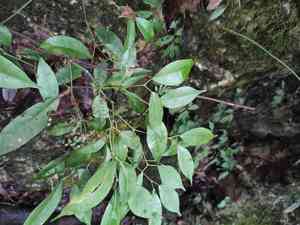
Unlike some of its tree-like counterparts, faber's maple (Acer fabri) is an evergreen maple that grows as a vine. This rare species is grown ornamentally for the year-round interest offered by its red leaf stems. It is also grown as a bonsai plant or indoors in containers because of how well it can tolerate low light.
In This Article
Attributes of Faber's maple
Lifespan
Perennial
Plant Type
Tree
Plant Height
10 m
Spread
8 m
Leaf Color
Green Yellow Gray Red
Flower Size
5-7 millimeters
Flower Color
White Pink Green Red
Images of Faber's maple
Quickly Identify Faber's maple
1
Robust growth reaching 20-30 feet (6-9 meters) in height and width.
2
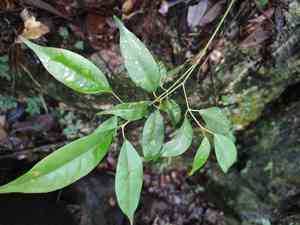
Deep green unlobed leaves measuring 4-6 inches (10-15 cm) with red new growth.
3
Small pale green flowers in clusters with 0.1-0.2 inch (3-5 mm) diameter petals.
4
Striking red to purple double-winged samaras maturing to 1 inch (2.5 cm) in summer.
5
Smooth green stems with red tips, slender zigzag branching pattern, 0.2-0.4 inches (0.5-1 cm) in diameter.
Scientific Classification of Faber's maple
Phylum
Vascular plants
Class
Dicotyledons
Order
Sapindales
Family
Soapberry
Genus
Maples
Species
Faber's maple
Planting and Growing of Faber's maple
Care Difficulty
Easy
Watering Schedule
Every 3 days
Sunlight Requirements
Partial sun
Sunshine Duration
6-10 hours
Ideal Temperature
60-75℉
Soil Type
Potting Mix, Peat Mix
Soil pH
6.5-7.5
Fertilizer Type
Balanced
Pruning Season
Spring, Summer
Pruning Area
Branches, Leaves
Pruning Frequency
2 times a year
Repotting Season
Spring
Pot Type
Ceramic, Plastic
 How to Water Faber's maple?
For Acer fabri, it is key to water until the soil is sufficiently moist but not waterlogged. A good practice is to provide approximately 500 milliliters of water per session, ensuring that the top few centimeters of soil feel slightly damp to the touch. This helps maintain adequate hydration without drowning the roots.
What are the symptoms of an underwatered Faber's maple?
›
What should I do if my Faber's maple is not getting enough water?
›
What are the symptoms of an overwatered Faber's maple?
›
How to save an overwatered Faber's maple?
›
 What Are the Sunlight Requirements for Faber's maple?
Acer fabri prefers partial sun, ideally receiving 4-6 hours of gentle morning or late afternoon sun. This light range promotes healthy leaf color and strong overall growth without overwhelming the plant.
More About Sunlight Requirements Techniques→
What type of light suits Acer fabri best?
›
How can I ensure my Acer fabri gets ideal lighting?
›
What benefits does Acer fabri gain from ideal lighting?
›
 What Is the Ideal Temperature Range for Faber's maple?
The ideal temperature range for Acer fabri is between 60°F and 75°F. This range provides an environment that supports healthy growth and prevents stress that could lead to disease. Maintaining these temperatures can help ensure the plant has enough energy to carry out photosynthesis efficiently and supports robust leaf and stem development.
 What Soil is Best for Faber's maple?
Acer fabri thrives in well-drained soils that prevent waterlogging. This is crucial as excessive moisture can lead to root rot, impacting the plant's health and growth. Good drainage ensures proper air circulation within the soil, promoting strong root development. This plant prefers moderately fertile soils that provide essential nutrients without overwhelming the plant. A balance in fertility allows Acer fabri to access nutrients as needed, ensuring steady growth and vibrant foliage. While Acer fabri appreciates moisture, it does not fare well in overly wet conditions. Consistent moisture without over-wetting allows for optimal nutrient uptake and vigor, preventing stress that can result from fluctuating moisture levels.
 How to Fertilize Faber's maple?
For Acer fabri, the recommended amount of fertilizer depends on the age and size of the plant. Mature trees require about 2 to 4 pounds of a balanced slow-release fertilizer per application, while younger plants need generally less. When applying liquid fertilizer, use a diluted solution with a concentration of one-quarter the strength suggested on the label, carefully distributed around the root zone.
 How to Prune Faber's maple?
Begin by identifying and removing any dead or diseased branches to prevent the spread of infections. Cut back to healthy wood or just above the nearest bud. Focus on shaping the tree by removing crossing branches and thinning the crown to improve air circulation and light penetration, enhancing the plant’s overall health. Trim branches back by no more than one-third of their length to maintain the tree's size and ensure it remains balanced and attractive without stressing it.
More About Pruning Techniques→
 How to Propagate Faber's maple plant?
1
Harvest Acer fabri seeds from mature trees during the autumn months. Ensure that the seeds are fully mature and dry them in a cool, airy place to minimize the risk of mold.
2
Select healthy, disease-free branches from an Acer fabri tree, ideally in early spring. Cut the branches into sections about 4-6 inches in length, making sure to include at least two nodes on each cutting.
3
Insert the prepared cuttings into sandy potting soil or a specific propagation mix, burying them up to the first node. Keep the soil consistently moist and place the cuttings in a sheltered environment with indirect sunlight.
 How to Repot Faber's maple plant?
1
Acer fabri should be repotted when you notice roots circling the bottom of the pot or emerging from drainage holes. Spring and autumn are ideal because the temperatures are moderate, reducing stress. The signs for repotting also include slowed growth and yellowing leaves, indicating the plant needs more space or fresh soil.
2
When selecting a pot, ensure it's 2 inches wider than the current one to provide ample growing space. The pot should have sufficient drainage holes to prevent water logging, which can lead to root rot. A ceramic or clay pot enhances appearance and stability, improving the overall aesthetic while staying securely in place.
3
Opt for a well-draining loamy mix, rich in organic matter. This ensures adequate nutrient supply and proper aeration, necessary for healthy root development. Well-draining soil prevents water retention, minimizs the risk of root diseases, and promotes vibrant foliage of Acer fabri.



