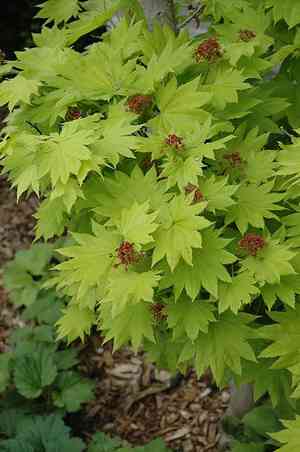
Fullmoon maple (Acer japonicum)
Also known as: Amur maple
Fullmoon maple (Acer japonicum), originating from Japan and South Korea, typically grows to a height of up to 10 meters (about 30 feet). It's a popular choice for ornamental gardening in North America and Europe. In the fall, its leaves turn stunning shades of dark red or bright orange before dropping.
In This Article
Attributes of Fullmoon maple
Lifespan
Perennial
Plant Type
Tree
Plant Height
5 m to 10 m
Spread
2.5 m to 3 m
Leaf Color
Green Red Orange Yellow
Flower Size
1 cm
Flower Color
Red Purple White Pink
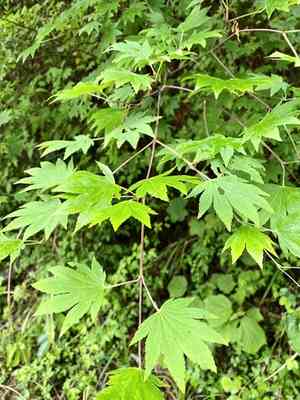
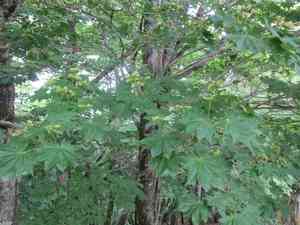
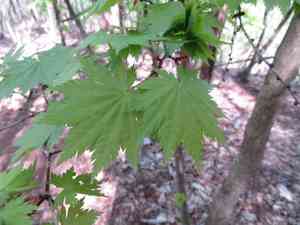
Images of Fullmoon maple
Quickly Identify Fullmoon maple
1
Rounded, palmate leaves with 7-11 lobes, measuring 3-6 inches (7.5-15 cm) in length.
2
Distinctive samara fruit, 1 inch (2.54 cm) long, with winged achene for wind dispersal.
3
Small purplish-red flowers in pendulous corymbs, blooming in early spring.
4
Multi-branching stem, transitioning from slender reddish-green to brown in the second year.
5
Graying, scaly bark with moderate thickness, evolving from smooth to rugged over time.
Scientific Classification of Fullmoon maple
Phylum
Vascular plants
Class
Dicotyledons
Order
Maples, mangos, mahogany, citrus, and allies
Family
Soapberry
Genus
Maples
Species
Fullmoon maple
Planting and Growing of Fullmoon maple
Care Difficulty
Moderate
Watering Schedule
Every 8 days
Sunlight Requirements
Partial sun
Sunshine Duration
4-8 hours
Ideal Temperature
55-75℉
Soil Type
Potting Mix, Peat Mix
Soil pH
5.5-7
Fertilizer Type
Balanced
Pruning Season
Spring, Summer
Pruning Area
Branches, Leaves
Pruning Frequency
Once a year
Repotting Season
Spring
Pot Type
Terracotta, Plastic
 How to Water Fullmoon maple?
Acer japonicum typically requires about 500 ml of water per session, ensuring the soil is moist but not soggy. It's important to maintain consistent soil moisture to mimic its natural habitat, usually ensuring the top inch of soil dries out before watering again.
What are the symptoms of an underwatered Fullmoon maple?
›
What should I do if my Fullmoon maple is not getting enough water?
›
What are the symptoms of an overwatered Fullmoon maple?
›
How to save an overwatered Fullmoon maple?
›
 What Are the Sunlight Requirements for Fullmoon maple?
Acer japonicum thrives in partial sun to full shade conditions. Providing these light conditions enhances its growth and vitality, ensuring its leaves stay colorful and healthy throughout the growing season.
More About Sunlight Requirements Techniques→
What is the best light condition for Acer japonicum?
›
How to achieve ideal lighting for Acer japonicum?
›
What are the benefits of providing ideal lighting?
›
 What Is the Ideal Temperature Range for Fullmoon maple?
Acer japonicum thrives best in temperatures ranging from 55°F to 75°F. This range allows for optimal growth and color development of foliage, promoting healthy metabolism and nutrient uptake. Maintaining this temperature range is crucial for supporting robust leaf texture and the overall health of the plant. Providing consistent warmth without drastic fluctuations creates a stable environment where the plant can flourish.
 What Soil is Best for Fullmoon maple?
Acer japonicum thrives in well-drained soil, ensuring its roots do not remain waterlogged. This promotes healthy root development and prevents root rot, leading to a more robust plant. While it prefers well-drained conditions, maintaining adequate moisture levels is vital. Sandy loam and loam soils naturally retain moisture, providing the plant with consistent hydration which is essential for leaf health and vibrant color. A nutrient-rich soil is beneficial for Acer japonicum, supplying the essential minerals for growth. Soils like loam, which naturally have good nutrient content, support lush foliage and overall plant vitality.
 How to Fertilize Fullmoon maple?
Acer japonicum thrives with a balanced amount of nutrients. When applying liquid fertilizer, it's recommended to dilute it to half-strength to avoid burning the roots. A typical application should be around 100-200 ml of diluted solution per plant, ensuring the soil is moist before application. For slow-release fertilizers, a small handful of granules, roughly 50-100 grams, should be worked into the topsoil. This provides a steady supply of nutrients without overwhelming the plant.
 How to Prune Fullmoon maple?
Begin by assessing your Acer japonicum for dead, diseased, or crossing branches. Use sharp pruning shears to make clean cuts just above a node or branch collar. Focus on reducing overcrowded areas, especially at the center, to enhance light penetration and airflow. Maintain a balanced shape but retain the tree's natural form. Shaping involves trimming back up to a third of the branch tips to achieve the desired silhouette. For thinning, selectively remove branches to open up the tree's canopy. This helps sunlight reach inner branches and promotes healthy growth. Be cautious not to over-prune, as this can stress the tree.
More About Pruning Techniques→
 How to Propagate Fullmoon maple plant?
1
Firstly, gather fresh Acer japonicum seeds during autumn. Soak the seeds in warm water for 24 hours to encourage germination. After soaking, place the seeds in a sealable bag with moistened sand for cold stratification, simulating winter conditions for 90 days.
2
Select semi-hardwood cuttings from parent plants during early summer. Cut 6-10 inch segments and remove the lower leaves. Dip the cut ends in rooting hormone powder, and plant them in a potting mix composed of perlite and peat, ensuring adequate watering and humidity.
3
For grafting, select healthy plant materials—a rootstock and a scion—from actively growing plants. Using the whip and tongue graft method, make matching diagonal cuts on both rootstock and scion. Secure them in place with grafting tape, providing optimal alignment for successful cambium contact.
 How to Repot Fullmoon maple plant?
1
Acer japonicum typically shows signs of being ready for repotting when its roots begin to grow out of the drainage holes or become densely circling the root ball. Another telltale signal is a noticeable slowdown in growth despite regular care. Spring, right before new growth begins, or Autumn, after the leaves have fallen, are ideal times for repotting.
2
Choose a pot that is slightly larger in diameter than the current one, ensuring it has good drainage holes. A pot that's too large can lead to waterlogged soil, while one that's too small may restrict root growth. The right pot size promotes healthy root expansion and prevents root rot.
3
Opt for a well-draining, acidic mix to replicate the tree's natural environment. A blend of quality potting soil with pine bark or perlite works well. This ensures adequate air circulation and moisture control, vital for preventing overwatering and encouraging robust root growth.



