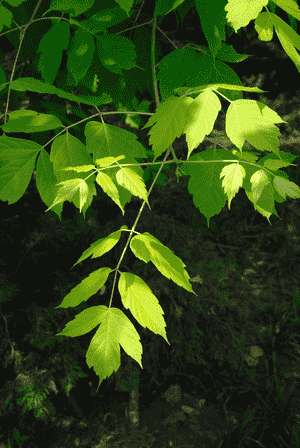
Box elder (Acer negundo)
Also known as: Maple ash, Manitoba maple
The Boxelder (Acer negundo) is a maple tree native to North America. It grows quickly and typically has a lifespan of up to 60 years. As Boxelders age, they become susceptible to storm damage due to their relatively weak wood. Although originally from North America, this hardy tree is now found worldwide.
In This Article
Attributes of Box elder
Lifespan
Perennial
Plant Type
Tree
Plant Height
10 m to 25 m
Spread
8 m
Leaf Color
Green Yellow
Flower Size
10 cm to 20 cm
Flower Color
Green Yellow
Images of Box elder
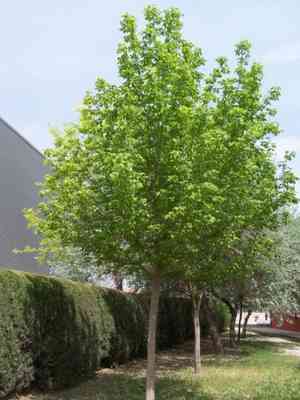
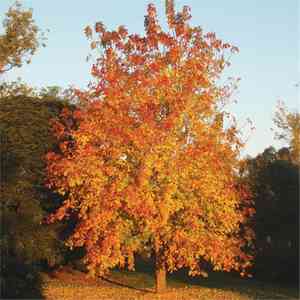
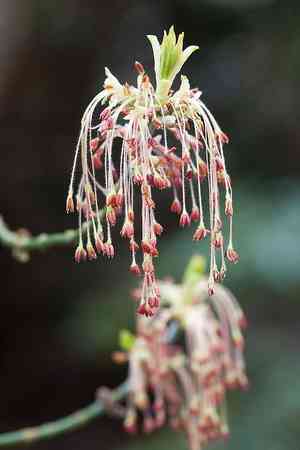
Quickly Identify Box elder
1
Opposite odd-pinnately compound leaves with 3-5 bright green leaflets, unique among maples.
2
Male flowers with small, yellow-green corymbs blooming early in March-April.
3
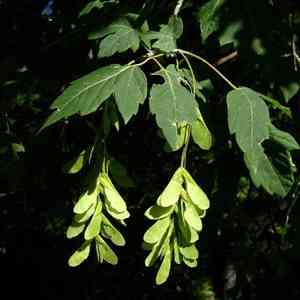
Fruit clusters of winged achenes forming pairs at a 60-degree angle, maturing to brown.
4
Stem with color-changing hues, waxy coating, prominent leaf scars, and whitish hairy buds.
5
Trunk bark with flat-topped ridges, interlocking furrows, and grey-brown color transitioning to dark brown.
Scientific Classification of Box elder
Phylum
Vascular plants
Class
Dicotyledons
Order
Sapindales
Family
Soapberry
Genus
Maples
Species
Box elder
Planting and Growing of Box elder
Care Difficulty
Easy
Watering Schedule
Every 4 days
Sunlight Requirements
Partial sun
Sunshine Duration
4-8 hours
Ideal Temperature
60-75℉
Soil Type
Potting Mix, Peat Mix
Soil pH
6-7.5
Fertilizer Type
Balanced
Pruning Season
Spring, Summer
Pruning Area
Branches, Leaves
Pruning Frequency
2 times a year
Repotting Season
Spring
Pot Type
Plastic, Ceramic
 How to Water Box elder?
When watering Acer negundo, ensure you saturate the soil thoroughly but avoid waterlogging. Aim for approximately 1000 milliliters each time in such a way that water reaches the roots without flooding the plant. The goal is to mimic natural rainfall consistency, ensuring that water penetrates deeply to encourage strong root development.
More About Watering Techniques→
What are the symptoms of an underwatered Box elder?
›
What should I do if my Box elder is not getting enough water?
›
What are the symptoms of an overwatered Box elder?
›
How to save an overwatered Box elder?
›
 What Are the Sunlight Requirements for Box elder?
Acer negundo does best with partial to full sunlight, enjoying about 4 to 6 hours of exposure daily. Ideal lighting conditions enhance its photosynthesis rate, ensuring strong growth and healthy foliage.
More About Sunlight Requirements Techniques→
What is necessary to grow Acer negundo optimally?
›
How can you achieve optimal sunlight conditions for Acer negundo?
›
What benefits are derived from the ideal light conditions for Acer negundo?
›
 What Is the Ideal Temperature Range for Box elder?
Acer negundo thrives best in temperatures ranging from 60°F to 75°F. This range provides the plant with optimal conditions for photosynthesis and nutrient uptake, leading to healthy growth. Maintaining these temperatures helps ensure robust foliage and resistant overall plant health.
 What Soil is Best for Box elder?
Acer negundo thrives in soil that offers good drainage, preventing waterlogging that could harm the roots. This helps ensure the tree receives the right amount of water, promoting healthy growth. The tree thrives in nutrient-rich soils that provide essential minerals and elements, facilitating robust growth and enhancing the plant's resilience to diseases and pests. A moisture-retentive soil is preferred for Acer negundo, supporting consistent hydration levels that are critical during dry spells, ensuring sustained growth and vitality.
More About Soil→
 How to Fertilize Box elder?
Acer negundo benefits from moderate fertilization. For optimal growth, apply a balanced fertilizer with a ratio like 10-10-10 or 20-20-20. When using a liquid fertilizer, dilute it to half the recommended strength and apply approximately 2 liters per application depending on the tree size. Solid fertilizers can be applied at rates of 0.5 to 1 kg per mature tree annually.
More About Fertilizing Techniques→
 How to Prune Box elder?
Begin by inspecting your Acer negundo for dead, diseased, or damaged branches. These should be pruned promptly to prevent any potential spread of disease and to improve the tree's overall structure. Look for branches that cross and rub against each other, which can cause wounds that act as gateways for pests and diseases. To shape your tree, focus on maintaining a balanced structure with a central leader. Trim back overly vigorous branches that disrupt the tree's aesthetic balance or inner canopy light penetration. This not only maintains shape but also encourages more even growth and flowering. After pruning, apply a light fertilizer to assist your Acer negundo in quick recovery. Ensure that the tree receives adequate water following trimming, particularly during dry spells, to support healing and new growth. Regularly monitor the tree for any signs of stress or disease after pruning.
More About Pruning Techniques→
 How to Propagate Box elder plant?
1
Collect seeds from mature Acer negundo fruits in early autumn. Allow them to dry before storing, and ensure they are free from any debris or damaged parts.
2
Select healthy branches for cuttings during spring. Cut at a 45-degree angle and remove leaves from the bottom half to reduce moisture loss.
3
Perform grafting in early spring using cleft or bark grafting methods. Ensure the scion and rootstock are of similar thickness for effective cambial contact.
 How to Repot Box elder plant?
1
Acer negundo shows it needs repotting when roots start emerging from the drainage holes or when growth seems stunted. Observing such signs indicates the ideal time to give your box elder a roomier home with fresh soil to thrive.
2
Select a pot that's one size larger with adequate drainage holes. A slightly bigger pot provides room for root expansion, ensuring your Acer negundo can grow steadily without the risk of waterlogging, which could harm the roots.
3
Opt for soil that is rich in organic matter but drains well to prevent root rot. A blend with compost, peat, and a bit of sand or perlite works excellently. Such soil nurtures the plant while maintaining the right moisture level, offering the roots an ideal environment.



