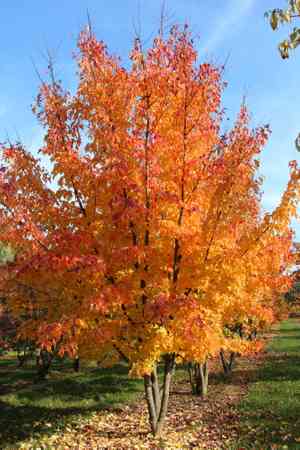
Red maple (Acer rubrum)
Also known as: Swamp maple, Water maple
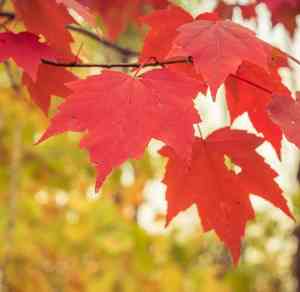
The Red Maple (Acer rubrum) stands out as the most prevalent tree in eastern North America, easily recognized by its striking red leaves and flower buds. While it can produce sap for maple syrup, its wood is also valued for furniture making. Notably, although safe for humans, its leaves are highly toxic to horses. The U.S. Forest Service identifies the Red Maple as the region's most widespread tree.
In This Article
Attributes of Red maple
Lifespan
Perennial
Plant Type
Tree
Plant Height
18 m to 30 m
Spread
9 m to 15 m
Leaf Color
Green Red Yellow
Flower Size
1 cm to 5 cm
Flower Color
Red
Images of Red maple
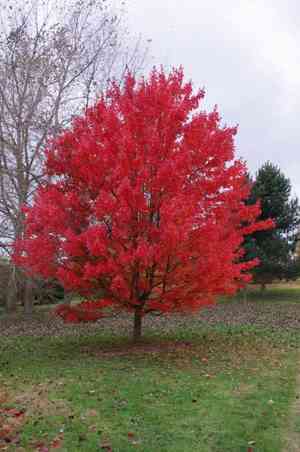
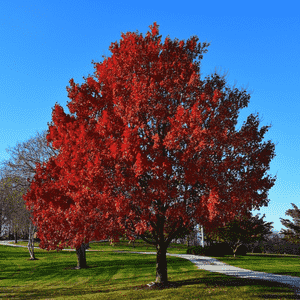
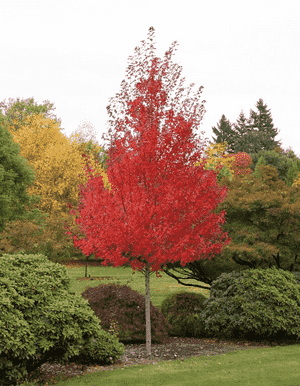
Quickly Identify Red maple
1
Tree height ranges from 40-120 feet (12-36 meters), with a trunk diameter of 1.5-2.5 feet (45-75 cm).
2
Flowers bloom in red clusters before leaves, with inconspicuous petals, measuring 0.2 inches (5 mm) each.
3
Distinctive paired samaras in 'V' shape, initially colorful then turning tan/brown, measuring 3/4 inch (2 cm) long.
4
Leaves are palmately veined, mainly with 3 lobes, sometimes 5 lobed, turning red, orange, and yellow in fall.
5
Distinct red and shiny stem no more than 1 inch (2.5 cm) in diameter, with overlapping scale winter buds.
Scientific Classification of Red maple
Phylum
Vascular plants
Class
Dicotyledons
Order
Maples, mangos, mahogany, citrus, and allies
Family
Soapberry
Genus
Maples
Species
Red maple
Planting and Growing of Red maple
Care Difficulty
Easy
Watering Schedule
Every 2 days
Sunlight Requirements
Full sun
Sunshine Duration
6-8 hours
Ideal Temperature
55-77℉
Soil Type
Potting Mix, Peat Mix
Soil pH
4.5-7
Fertilizer Type
Balanced
Pruning Season
Spring, Summer
Pruning Area
Branches, Leaves
Pruning Frequency
2 times a year
Repotting Season
Spring
Pot Type
Plastic, Ceramic
 How to Water Red maple?
Red maples, or Acer rubrum, prefer moist, well-drained soil. When watering, aim to evenly moisten the soil to a depth of about 6 inches (15 cm). This ensures that the water reaches the root zone without waterlogging the area. A good rule of thumb is to provide around 500 ml per watering session, depending on the tree's size and soil type, but always make sure the top inch of soil feels dry before watering again.
More About Watering Techniques→
What are the symptoms of an underwatered Red maple?
›
What should I do if my Red maple is not getting enough water?
›
What are the symptoms of an overwatered Red maple?
›
How to save an overwatered Red maple?
›
 What Are the Sunlight Requirements for Red maple?
Acer rubrum thrives in full sun to partial sun. Receiving optimal light ensures vibrant red foliage and peak growth performance, creating a stunning addition to your landscape.
More About Sunlight Requirements Techniques→
What amount of sunlight does it need?
›
Why is sunlight important?
›
How can I optimize its exposure?
›
 What Is the Ideal Temperature Range for Red maple?
For optimal growth, Acer rubrum thrives best within a temperature range of 55°F to 77°F. Within this range, the plant can efficiently photosynthesize, leading to healthy growth and robust foliage. Maintaining these conditions ensures that the tree remains resilient against pests and diseases.
 What Soil is Best for Red maple?
Acer rubrum thrives in soil that retains moisture well without becoming waterlogged. This quality is crucial as it ensures the roots have consistent access to water, which promotes healthy growth and vibrant foliage. Being a nutrient-rich soil lover, Acer rubrum requires a medium that provides essential minerals and organic matter. This ensures the tree has all it needs for optimal growth, vibrant autumn colors, and improved resilience. While the tree enjoys moisture, it equally values soil with good drainage. This feature prevents water stagnation and root rot, ensuring that the tree remains healthy and free from fungal infections.
More About Soil→
 How to Fertilize Red maple?
For Acer rubrum, it's important to moderate the amount of fertilizer applied. In general, you should use about 0.1 to 0.2 pounds of nitrogen per square foot of canopy spread. This helps the tree grow robustly without overwhelming its natural nutrient absorption capabilities.
More About Fertilizing Techniques→
 How to Prune Red maple?
Focus on improving the tree’s overall structure by removing crossing branches and those growing toward the tree's center. Aim for a balanced canopy that encourages good air circulation. Remove any dead, damaged, or diseased branches promptly. Cut branches back to the main stem or to a healthy lateral shoot, ensuring a clean cut close to the branch collar. Thin out crowded areas to allow sunlight to penetrate, promoting lush and vigorous growth. This process helps in reducing pest infestation and enhances the tree’s health.
More About Pruning Techniques→
 How to Propagate Red maple plant?
1
Gather seeds from the mature Acer rubrum tree during spring when the seed pods naturally open up. Ensure seeds are dry before storage for later planting.
2
Select a healthy branch, cut a section approximately 6-8 inches long, and remove lower leaves to focus energy on root growth. Dip the cut end in rooting hormone for best results.
3
For layering, choose a low branch and slightly wound it. Cover with soil while still attached to the parent tree to encourage root development from the wounded area.
 How to Repot Red maple plant?
1
You should repot Acer rubrum when you notice roots coming out of the drainage holes or if the soil dries out very quickly after watering. Spring is the best time to do this as the plant is entering a period of growth, which helps it recover more swiftly from the repotting process.
2
Choose a pot that is only slightly larger than the current one, about 1-2 inches more in diameter. This allows the roots to expand without overwhelming the plant. A ceramic or clay pot is ideal as it is more porous, helping to prevent waterlogged conditions, which Acer rubrum does not favor.
3
Opt for a well-draining potting mix enriched with organic matter. A mix that retains sufficient moisture yet drains well is crucial. This ensures that the roots receive ample oxygen and reduces the risk of root rot caused by excess water standing around the root system.



