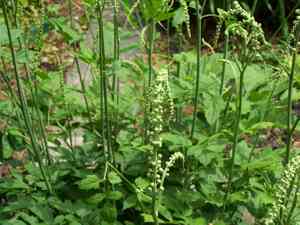
Black cohosh(Actaea racemosa)

Black cohosh (Actaea racemosa)

Also known as: Black bugbane, Fairy candles, Bugbane

### Benefits:
1. **Medicinal Value**: Black cohosh is renowned for its herbal applications, especially in alleviating menopausal and menstrual symptoms.
2. **Wildlife Attractor**: It draws pollinators such as bees and butterflies, supporting garden biodiversity.
3. **Minimal Upkeep**: Once established, it requires little maintenance, making it a convenient choice for gardeners.

### Characteristics:
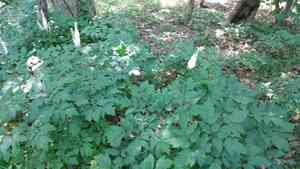
1. **Thrives in Shade**: Well-suited for partial to full shade, ideal for woodland and shade gardens.
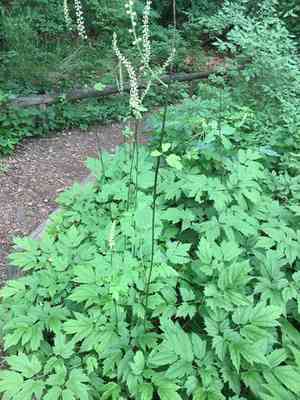
2. **Vertical Accent**: Can grow up to 6 feet tall, adding height and visual interest.
3. **Distinctive Foliage**: Features attractive, fern-like leaves that add texture.
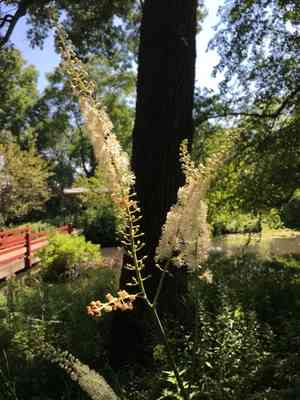
4. **Late Season Bloomer**: Produces striking white flower spikes in late summer to early fall, which can lean towards the light source.

In essence, black cohosh is a beneficial, low-maintenance plant that enhances shaded garden spaces with its tall growth and textured foliage.

Attributes of Black cohosh

Lifespan
Perennial
Plant Type
Herb
Plant Height
1.2 m to 2 m
Spread
60 cm to 1.2 m
Leaf Color
Green
Flower Size
2.5 cm
Flower Color
White

PlantJoy - Identify plants with a snap

Identify and diagnose plants, get toxicity alerts, and explore safety guides for all types of fungi.

Try for Free

Images of Black cohosh

Black cohosh(Actaea racemosa)

Quickly Identify Black cohosh

1
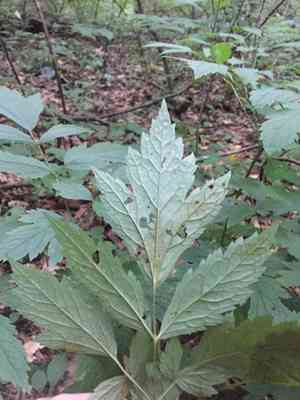
Tripinnately compound basal leaves up to 3 feet (90 cm) long with 2-5 lobed leaflets.
2
Sturdy, erect stem, green to purplish, 3-4 feet (90-120 cm) tall, minimal branching.
3
Towering height exceeding 6 feet (183 cm) with long, arching racemes of diminutive white flowers.
4
Unpleasant-scented petal-less white flowers on 1-2 feet (30-60 cm) long racemes from May to August.
5
Small, dry seed pods in racemose clusters, not exceeding 2 inches (5 cm) in length, with numerous seeds.

Scientific Classification of Black cohosh

Phylum
Vascular plants
Class
Dicotyledons
Order
Ranunculales
Family
Buttercup
Genus
Baneberries
Species
Black cohosh

Planting and Growing of Black cohosh

Care Difficulty
Moderate
Watering Schedule
Every 8 days
Sunlight Requirements
Partial sun
Sunshine Duration
6-10 hours
Ideal Temperature
60-75℉
Soil Type
Potting Mix, Peat Mix
Soil pH
6-7.5
Fertilizer Type
Balanced
Pruning Season
Spring, Summer
Pruning Area
Branches, Leaves
Pruning Frequency
2 times a year
Repotting Season
Spring
Pot Type
Plastic, Ceramic

water icon How to Water Black cohosh?

The watering amount for Actaea racemosa should ensure that the soil is consistently moist but not waterlogged. A general guideline is to apply around 500 ml of water per session but this can vary depending on soil and ambient conditions. Make sure water reaches the root level and drains properly.
What are the symptoms of an underwatered Black cohosh?
What should I do if my Black cohosh is not getting enough water?
What are the symptoms of an overwatered Black cohosh?
How to save an overwatered Black cohosh?

sunlight icon What Are the Sunlight Requirements for Black cohosh?

Sunlight Requirements: Partial sun
Duration of light: 3 to 6 hours
Partial sun is ideal for Actaea racemosa, providing a balance that supports healthy growth and flowering. Adequate light ensures vibrant foliage and encourages productive blooming cycles.
What type of sunlight does Actaea racemosa prefer?
How can I achieve ideal lighting for Actaea racemosa?
What benefits does ideal lighting provide to Actaea racemosa?

temperature icon What Is the Ideal Temperature Range for Black cohosh?

Ideal Temperature: 60 ~ 75℉
The ideal temperature range for Actaea racemosa, also known as black cohosh, is between 60 and 75 degrees Fahrenheit. This temperature range ensures optimal growth and health, providing an environment similar to its native wooded habitats. Under these conditions, the plant can flourish, producing lush foliage and healthy flowering. Ensuring stable temperatures within this range can help in preventing stress and promoting vigorous growth.

soil icon What Soil is Best for Black cohosh?

Soil type: Loam, Sandy loam
Soil PH: 6 ~ 7.5
Actaea racemosa thrives in moisture-retentive soil that keeps its roots consistently hydrated. This condition helps prevent plant stress, promotes lush foliage growth, and encourages healthy bloom development. Although moisture is crucial, well-drained soil prevents root rot by allowing excess water to escape. This balance avoids waterlogged conditions that could damage the root system, supporting overall plant health. The plant benefits from soil rich in organic matter, which delivers essential nutrients for its growth. Nutrient-rich soil ensures vigorous plant development and vibrant flowering, enhancing its ornamental value.

fertilize icon How to Fertilize Black cohosh?

Fertilizer type: Balanced
For Actaea racemosa, it's essential to use a balanced fertilizer. A recommended rate is half to one-third of the manufacturer's suggested amount. This ensures you don't overwhelm the plant with nutrients, while still promoting healthy growth.

prune icon How to Prune Black cohosh?

Pruning Time: Spring, Autumn
Once the plant's stunning white flowers have faded, gently remove spent blooms to redirect the plant’s energy into growth rather than seed production, ensuring vigorous blooming next season. Cut back any dead or damaged stems near the base in early spring to encourage new, healthy growth. This also helps to prevent disease, as older wood may harbor pests or fungal spores. Identify and thin out overcrowded areas by removing select stems. This improves air circulation and decreases the likelihood of fungal infections, keeping the plant healthy and robust.

propagate icon How to Propagate Black cohosh plant?

Propagate Time: Spring, Early spring
1
Harvest seeds from mature Actaea racemosa plants in late summer or early autumn. Ensure seeds are fully ripe before collecting. Clean and dry the seeds thoroughly to prevent mold and store them in a cool, dry place until spring planting.
2
Choose a shaded or partially shaded area with well-draining, rich loamy soil. Amend the soil with organic matter to enhance fertility. Ensure the site is free from weeds and has good air circulation to avoid fungal diseases.
3
In early spring, dig around the base of established plants and gently lift them from the ground. Carefully separate root clumps into smaller sections, each with several buds. Replant divisions promptly to minimize stress on the plant.

repot icon How to Repot Black cohosh plant?

Repotting frequency: Every 2-3 years
1
Actaea racemosa shows it's time for repotting when its roots start circling the pot or sprouting through drainage holes. Additionally, slow growth and poor soil condition hint at needing a new home.
2
Select a pot that's 1-2 inches larger in diameter than the current one with ample drainage holes. This ensures enough room for growth and prevents waterlogging, offering the happiest environment for healthy development.
3
Choose a soil mix rich in organic matter but also well-draining. The right mix balances moisture retention and aeration, crucial for preventing root rot while promoting vigorous root growth.

PlantJoy - Identify plants with a snap

Find the best spots for them to optimize their health, simply using your phone.

Try for Free

Toxicity of Black cohosh

Is Black cohosh toxic to humans?

Similar to other species within the Actaea genus, black cohosh has the potential to trigger toxic reactions in humans when consumed over extended durations. The resulting symptoms can range from moderate to severe, potentially resulting in organ damage in certain situations. Every part of the plant harbors toxins, and ingesting them in significant quantities may result in poisoning symptoms such as gastrointestinal distress, headaches, dizziness, a sense of heaviness, skin rashes, and even hallucinations. In extreme cases, it may be associated with liver damage in individuals who take large amounts over prolonged periods.

Is Black cohosh toxic to cat?

Black cohosh presents a moderate toxicity risk to cats if ingested. Exposure typically happens when a cat consumes any part of the plant, as all its components are toxic, leading to a possibility of poisoning no matter which section is ingested. Upon ingestion, the cat may exhibit signs of physical discomfort and distress. It is crucial for cat owners to observe their pets carefully and, should any indications of poisoning arise, promptly seek professional help from a veterinarian.

Is Black cohosh toxic to dog?

Black cohosh presents a moderate toxicity threat to dogs. Any part of the plant is toxic and can lead to poisoning if ingested by canines. Symptoms may include vomiting, diarrhea, abdominal discomfort, or more serious reactions such as seizures or irregular heartbeats. Due to the risk of moderate toxicity, it is crucial for dog owners to restrict their pets' access to this plant and to promptly consult a veterinarian if any signs of poisoning appear.

Identify toxic plants for your safety

Learn which plants are harmful to you and your pets, and make informed choices for a safer home!

Try for Free
WARNING
The judgment on toxicity and danger is for reference only. We DO NOT GUARANTEE any accuracy of such judgment. Therefore, you SHALL NOT rely on such judgment. It is IMPORTANT TO SEEK PROFESSIONAL ADVICE in advance when necessary.