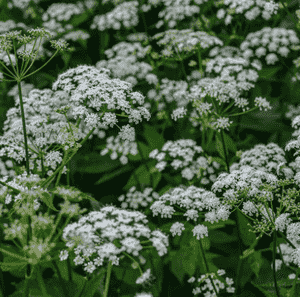
Ground elder (Aegopodium podagraria)
Also known as: Herb gerard, Snow-in-the-mountain
Aegopodium podagraria, also known as goutweed or ground elder, is a perennial herb native to Europe and Asia. The plant gets its common name from the resemblance of its leaves and flowers to those of elderberry. While it is sometimes grown as an ornamental plant, it is considered invasive in some regions due to its rapid spread through rhizomes. This aggressive growth allows it to outcompete native vegetation, causing ecological imbalances.
In This Article
Attributes of Ground elder
Lifespan
Perennial
Plant Type
Herb
Plant Height
40 cm to 1 m
Spread
45 cm
Leaf Color
Green White Variegated Blue
Flower Size
6 cm to 12 cm
Flower Color
White
Images of Ground elder
Quickly Identify Ground elder
1
Compound leaves with three toothed leaflets.
2
Clusters of small, white flowers in umbels.
3
Schizocarpic seed pods split into two mericarps.
4
Distinct carrot-like scent emitted by the foliage.
5
Sprawling growth pattern from branched white rhizomes.
Scientific Classification of Ground elder
Phylum
Vascular plants
Class
Dicotyledons
Order
Apiales
Family
Umbellifers
Genus
Goutweeds
Species
Ground elder
Planting and Growing of Ground elder
Care Difficulty
Easy
Watering Schedule
Every 3 days
Sunlight Requirements
Partial sun
Sunshine Duration
6-10 hours
Ideal Temperature
60-75℉
Soil Type
Potting Mix, Peat Mix
Soil pH
6.5-7.5
Fertilizer Type
Balanced
Pruning Season
Spring, Summer
Pruning Area
Branches, Leaves
Pruning Frequency
2 times a year
Repotting Season
Spring
Pot Type
Plastic, Ceramic
 How to Water Ground elder?
Aegopodium podagraria typically prefers moderately moist soil. When watering, aim for about 250 milliliters each time. The goal is to keep the soil evenly moist but not waterlogged. Ensure the top layer of soil feels damp to the touch after watering but avoid pooling of excess water.
More About Watering Techniques→
What are the symptoms of an underwatered Ground elder?
›
What should I do if my Ground elder is not getting enough water?
›
What are the symptoms of an overwatered Ground elder?
›
How to save an overwatered Ground elder?
›
 What Are the Sunlight Requirements for Ground elder?
Aegopodium podagraria thrives in partial sun to full shade, with 2 to 6 hours of natural sunlight ideal for its health. This range supports dense foliage and protects against environmental stressors.
More About Sunlight Requirements Techniques→
What is the ideal light for Aegopodium podagraria?
›
How can I achieve ideal lighting conditions?
›
What benefits does ideal lighting bring?
›
 What Is the Ideal Temperature Range for Ground elder?
What is the ideal temperature for growing Aegopodium podagraria? The ideal temperature range for this plant is between 60 and 75 degrees Fahrenheit. This range ensures optimal growth and health by providing the right environment for photosynthesis and metabolic activities. Consistency in this temperature bracket supports the plant’s overall vitality and helps it thrive in various environments.
 What Soil is Best for Ground elder?
Aegopodium podagraria thrives in nutrient-rich soil, which ensures it gets the necessary minerals for optimal growth. This type of soil helps maintain lush foliage and supports the plant's quick growth, making it ideal for covering large areas efficiently. This plant requires well-drained soil to prevent waterlogging, which can harm the roots. Ensuring good drainage will promote healthier root systems, allowing the plant to absorb nutrients more effectively and prevent root rot. While it requires well-drained conditions, the soil should also have the ability to retain some moisture. This helps the plant stay hydrated, especially during dry spells, ensuring continuous growth and vibrant appearance.
More About Soil→
 How to Fertilize Ground elder?
When fertilizing Aegopodium podagraria, use a balanced fertilizer with an N-P-K ratio of 10-10-10. For liquid fertilizers, apply at a rate of 1 tablespoon per gallon of water, ensuring the soil is evenly moist. For slow-release granular fertilizers, use about 1 to 1.5 pounds per 100 square feet, spread evenly over the soil surface.
More About Fertilizing Techniques→
 How to Prune Ground elder?
Start by identifying the new shoots and older, more established stems. The younger shoots tend to spread faster and can be cut back significantly without harming the plant's health. When pruning, make clean cuts at the base of the stems you wish to control. Focus on cutting back the outermost shoots to encourage compact and bushy growth in the center of the plant. Dead or yellowed leaves and stems should be removed promptly to encourage new growth. This also helps in maintaining the overall aesthetic of the garden.
More About Pruning Techniques→
 How to Propagate Ground elder plant?
1
Choose a high-quality seed mix and sow the seeds lightly on the surface of a well-draining seed starting mix. Keep them warm and moist until they germinate.
2
Carefully dig up the parent plant in early spring. Use a spade or a knife to separate the plant into smaller sections, ensuring each has adequate roots for successful growth.
3
Plant the divided sections or seedlings into prepared soil. Water thoroughly and ensure they are well-mulched to retain soil moisture and suppress weeds.
 How to Repot Ground elder plant?
1
Aegopodium podagraria should be repotted when you notice that its roots are crowding the pot and emerging through the drainage holes. These signs indicate that the plant has outgrown its current container. Typically, this occurs every couple of years. Repotting at this time ensures that the plant has adequate space for root expansion and access to nutrients.
2
Select a pot that is about 1-2 inches larger in diameter than the current one. This allows for root expansion without overwhelming the plant with excess soil. Ensure the pot has adequate drainage holes to prevent water stagnation, which could lead to root rot. A suitable pot promotes healthy root growth and better water management.
3
Opt for a well-draining garden soil mix to mimic the plant’s natural environment. A soil mix that allows for good aeration and moisture retention is ideal. This type of soil helps to prevent waterlogging around the roots, reducing the chances of root rot and promoting healthy growth.
Learn More About Ground elder Diseases
Anthracnose
Bacterial Leaf Spot
Bacterial Soft Rot
Crown Gall
Cyst Nematode
Damping-off
Downy Mildew
Drought Stress
Fusarium Wilt
Gray Mold
Leaf Curl
Leaf Spot
Mosaic
Nutrient Deficiency
Nutrient Toxicity
Powdery Mildew
Root Rot
Root-knot Nematode
Rusts
Sooty Mold
Spider Mites
Temperature Stress
Thrips Damage
White Mold



