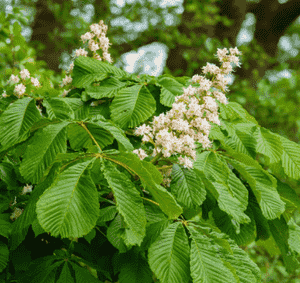
Horse Chestnut(Aesculus hippocastanum)

Horse Chestnut (Aesculus hippocastanum)

Also known as: Buckeye , Conker tree

The tree Anne Frank mentioned in her diary is a horse chestnut. Although the original tree fell in 2010, seeds from it have been used to plant new trees globally. Note that horse chestnut seeds look like chestnuts but are toxic and inedible.

Attributes of Horse Chestnut

Lifespan
Perennial
Plant Type
Tree
Plant Height
25 m to 30 m
Spread
15 m
Leaf Color
Green Yellow Red Brown
Flower Size
1.1 cm
Flower Color
White Yellow Pink Red

PlantJoy - Identify plants with a snap

Identify and diagnose plants, get toxicity alerts, and explore safety guides for all types of fungi.

Try for Free

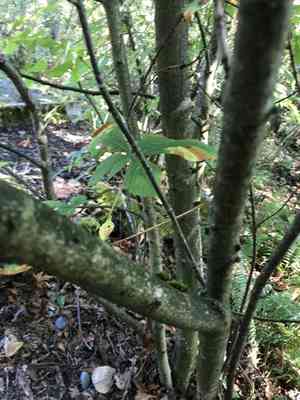
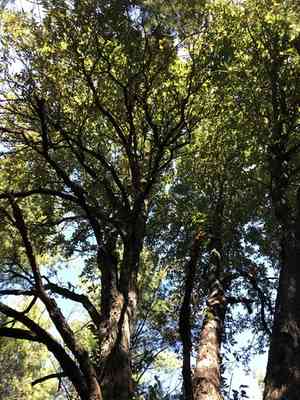
Images of Horse Chestnut

Horse Chestnut(Aesculus hippocastanum)

Quickly Identify Horse Chestnut

1
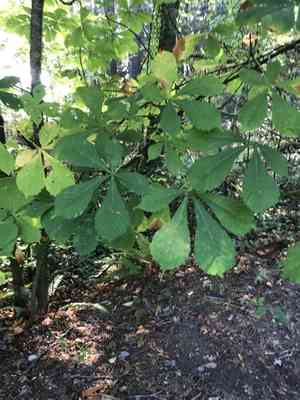
Large palmate leaves with 5-7 leaflets, up to 10 inches (25 cm) across.
2
Creamy white flowers in pyramidal clusters, up to 12 inches (30 cm) tall.
3
Fruit with rough, prickly texture, 1-2 inches (2.5-5 cm) in diameter.
4
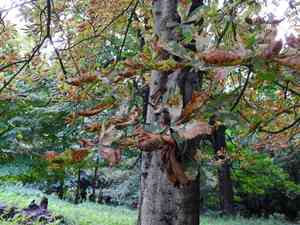
Distinctive yellow fall color of leaves, 4-12 inches (10-30 cm) long.
5
Yellow-throated flowers with red-speckled centers, in showy panicles 5-12 feet (1.5-3.6 meters) long.

Scientific Classification of Horse Chestnut

Phylum
Vascular plants
Class
Dicotyledons
Order
Sapindales
Family
Soapberry
Genus
Buckeye
Species
Horse Chestnut

Planting and Growing of Horse Chestnut

Care Difficulty
Easy
Watering Schedule
Every 2 days
Sunlight Requirements
Full sun
Sunshine Duration
4-8 hours
Ideal Temperature
60-75℉
Soil Type
Potting Mix, Peat Mix
Soil pH
6.5-7.5
Fertilizer Type
Balanced
Pruning Season
Spring, Summer
Pruning Area
Branches, Leaves
Pruning Frequency
2 times a year
Repotting Season
Spring
Pot Type
Plastic, Ceramic

water icon How to Water Horse Chestnut?

When watering Aesculus hippocastanum, aim to moisten the soil thoroughly without causing waterlogging. The general guideline is to use about 500 milliliters per session, ensuring that the water reaches the root zone but does not cause excess drainage.
What are the symptoms of an underwatered Horse Chestnut?
What should I do if my Horse Chestnut is not getting enough water?
What are the symptoms of an overwatered Horse Chestnut?
How to save an overwatered Horse Chestnut?
More About Watering Techniques

sunlight icon What Are the Sunlight Requirements for Horse Chestnut?

Sunlight Requirements: Full sun, Partial sun
Duration of light: 6-8 hours daily
Aesculus hippocastanum benefits most from full sun to partial sun exposure, as this range supports optimal growth, strong photosynthesis, and robust overall health.
How much direct sun is ideal?
Can it tolerate partial shade?
What about seasonal changes in light?
More About Sunlight Requirements Techniques

temperature icon What Is the Ideal Temperature Range for Horse Chestnut?

Ideal Temperature: 60 ~ 75℉
The ideal temperature range for Aesculus hippocastanum is between 60°F and 75°F. This range provides optimal conditions for growth, encouraging healthy foliage and robust flowering. Consistent temperatures within this range help in maintaining the plant's physiological processes efficiently.

soil icon What Soil is Best for Horse Chestnut?

Soil type: Loam, Sandy loam, Clay soil
Soil PH: 6.5 ~ 7.5
Aesculus hippocastanum thrives in well-draining soil as it minimizes root rot risk. Adequate drainage ensures excess water escapes, promoting healthy root growth. Optimal drainage is vital, as it balances moisture while providing adequate aeration for root development. This horse chestnut prefers moderately fertile soils, which provide the necessary nutrients without overwhelming the plant. Balanced fertility supports lush foliage and robust growth, enabling the plant to produce its distinctive flowers and seed capsules. While drainage is crucial, the soil must retain some moisture to support Aesculus hippocastanum. Proper moisture balance prevents drought stress, ensuring sustained hydration. A mix that retains moisture yet drains excess water is key for optimal health. More About Soil

fertilize icon How to Fertilize Horse Chestnut?

Fertilizer type: Balanced
For Aesculus hippocastanum, a medium level of nutrients is ideal. Use a liquid fertilizer diluted to half strength every time during spring and early summer, ensuring not to over-saturate the soil, as this could lead to root rot. More About Fertilizing Techniques

prune icon How to Prune Horse Chestnut?

Pruning Time: Spring, Autumn
Prune Aesculus hippocastanum in early spring or late autumn when the tree is dormant. This reduces stress on the plant and minimizes sap loss, creating an ideal environment for new growth. First, remove any dead or diseased branches to promote a healthy tree. Next, thin out crowded areas by removing branches that cross or interfere with each other. Always prune back to a healthy node or side branch. Focus on maintaining the horse chestnut’s natural shape. Avoid excessive pruning, which can lead to stress and reduce flowering. Aim for an open, balanced canopy that allows light and air to penetrate. More About Pruning Techniques

propagate icon How to Propagate Horse Chestnut plant?

Propagate Time: Spring, Late spring, Early spring
1
Collect seeds from mature fruits in autumn. Ensure the seeds are fully matured by checking for a hard, brown shell. Clean them thoroughly to remove fruit pulp and store them in a cool, dry place.
2
Aesculus hippocastanum seeds need a period of cold stratification. Keep the seeds in a refrigerator at about 4°C (39°F) for 3 to 4 months to mimic winter conditions necessary for breaking dormancy.
3
After stratification, sow the seeds in a seed tray filled with potting mix. Plant the seeds about 2 inches deep and cover lightly with soil. Water the soil thoroughly and place the tray in a sunny location.
More About Propagating Techniques

repot icon How to Repot Horse Chestnut plant?

Repotting frequency: Every 2 to 3 years
1
Aesculus hippocastanum should be repotted when you notice roots growing out of the drainage holes or if the growth has noticeably slowed. Early spring or early autumn is optimal as the plant is not in its peak growth phase, reducing stress.
2
Select a pot that is 2 to 4 inches larger in diameter than the current one, with adequate drainage holes. This prevents water logging and root rot, providing ample space for continued root growth and stability for the developing tree.
3
Opt for a rich, well-draining soil mix, preferably with some organic matter like compost. This provides essential nutrients and prevents the roots from sitting in water, promoting a robust and healthy growth environment for the horse chestnut.

PlantJoy - Identify plants with a snap

Find the best spots for them to optimize their health, simply using your phone.

Try for Free

Toxicity of Horse Chestnut

Is Horse Chestnut toxic to humans?

All parts of the horse chestnut tree are known to contain harmful glycosides and saponins, which can lead to serious health issues in humans. Ingesting large quantities of this plant can provoke inflammation in the face, mouth, tongue, and throat, potentially leading to breathing difficulties. Other symptoms may include loss of coordination, muscle spasms, restlessness, depression, digestive disturbances, colic, vomiting, diarrhea, weakness, and in severe cases, paralysis or even coma. It seems that the nuts are occasionally roasted and consumed by humans accidentally, which is a significant cause of poisoning. Additionally, young children may become curious or erroneously identify the seeds as edible nuts. Therefore, it is crucial to keep children and individuals with cognitive impairments away from this plant.

Is Horse Chestnut toxic to cat?

Horse Chestnut demonstrates a low level of toxicity for cats. When consumed in significant quantities, any portion of horse Chestnut may pose a risk to feline health. Contact with this plant can lead to physical distress or symptoms indicative of illness. Therefore, it is essential to obtain prompt veterinary assistance to safeguard the cat's health. Timely treatment at a veterinary facility can alleviate negative impacts and promote recovery.

Is Horse Chestnut toxic to dog?

Horse Chestnut presents a mild toxic threat to dogs. Canines may experience poisoning if they ingest it in significant quantities. Every part of the horse Chestnut, including leaves, seeds, bark, and flowers, exhibits toxicity, indicating that consuming any component could lead to poisoning. Symptoms may manifest as gastrointestinal distress including vomiting and diarrhea, increased lethargy, and impaired coordination. It is essential for dog owners to vigilantly supervise their pets and restrict access to horse Chestnut. Should there be a suspicion that a dog has consumed horse Chestnut, seeking immediate veterinary attention is critical for effectively managing the symptoms and safeguarding the animal's health.

Identify toxic plants for your safety

Learn which plants are harmful to you and your pets, and make informed choices for a safer home!

Try for Free
WARNING
The judgment on toxicity and danger is for reference only. We DO NOT GUARANTEE any accuracy of such judgment. Therefore, you SHALL NOT rely on such judgment. It is IMPORTANT TO SEEK PROFESSIONAL ADVICE in advance when necessary.
More About Toxic Techniques