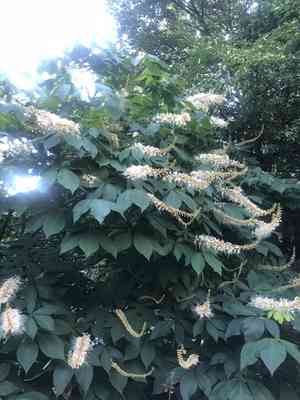
Bottlebrush buckeye (Aesculus parviflora)
Also known as: Dwarf buckeye
Bottlebrush buckeye (Aesculus parviflora) is a standout deciduous shrub, renowned for its stunning summer blooms. Here are its key characteristics and benefits for gardens and landscapes:
**Characteristics:**
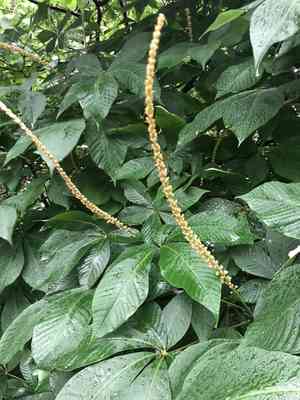
1. **Eye-Catching Flowers:** Boasts impressive, white, bottlebrush-like flower spikes adorned with crimson and rosy stamens, blooming in early to mid-summer.
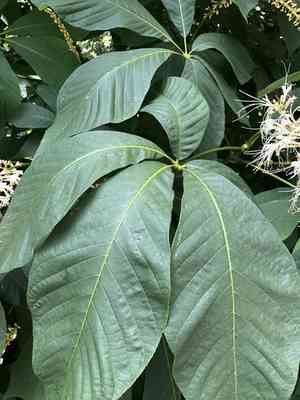
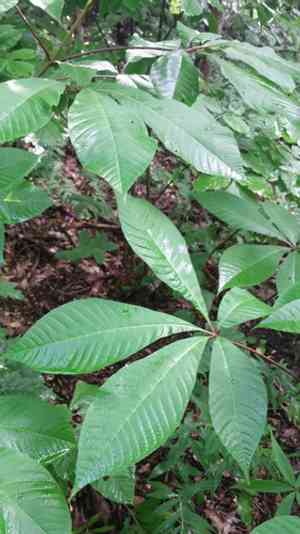
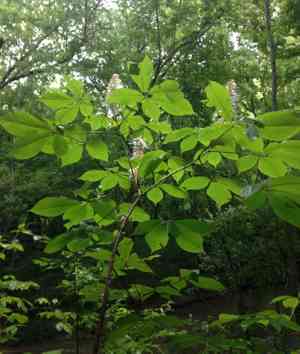
2. **Dense Foliage:** Features lush, dark green, palmate leaves that turn a striking yellow in the fall.
3. **Growth Habit:** Forms a dense, multi-stemmed shrub, typically reaching 6-12 feet in height and width.
4. **Shade Adaptability:** Thrives in partial to full shade, making it ideal for shaded garden areas.
5. **Hardy:** Generally resistant to pests and diseases, requiring minimal maintenance.
**Benefits:**
1. **Visual Interest:** Adds significant aesthetic value with its unique floral display and seasonally changing foliage.
2. **Wildlife Attraction:** Draws pollinators, including hummingbirds and butterflies, enhancing garden biodiversity.
3. **Erosion Control:** Its dense root system helps stabilize soil, making it useful for erosion-prone areas.
4. **Versatile Growth:** Adapts well to various soil types, from clay to sandy soils.
5. **Focal Point:** Ideal for use as a focal point in garden designs, providing a striking visual anchor.
With its exceptional blooms and adaptability, Bottlebrush buckeye is an excellent choice for adding beauty and ecological benefits to any garden or landscape.
Attributes of Bottlebrush buckeye
Images of Bottlebrush buckeye
Quickly Identify Bottlebrush buckeye
Scientific Classification of Bottlebrush buckeye
Planting and Growing of Bottlebrush buckeye
 How to Water Bottlebrush buckeye?
 What Are the Sunlight Requirements for Bottlebrush buckeye?
 What Is the Ideal Temperature Range for Bottlebrush buckeye?
 What Soil is Best for Bottlebrush buckeye?
 How to Fertilize Bottlebrush buckeye?
 How to Prune Bottlebrush buckeye?
 How to Propagate Bottlebrush buckeye plant?
 How to Repot Bottlebrush buckeye plant?
Toxicity of Bottlebrush buckeye
Is Bottlebrush buckeye toxic to humans?
Every single part of the bottlebrush buckeye is infused with toxic glycosides and saponins, which can lead to severe health issues in humans. Moreover, this tree has the ability to absorb various harmful substances from the surrounding soil, including lead and pesticides, thus partially detoxifying the environment but simultaneously increasing their own toxicity levels. Ingesting substantial quantities of this plant can result in symptoms like loss of coordination, muscle spasms, agitation, depression, gastrointestinal disturbances, colic, nausea, diarrhea, weakness, paralysis, and in some cases, coma. There are instances when the nuts are mistakenly roasted and consumed by humans, contributing significantly to poisoning incidents. Additionally, small children and others with tendencies to place non-food items in their mouths pose a risk; therefore, it is crucial to keep them away from this hazardous plant.
Is Bottlebrush buckeye toxic to cat?
The bottlebrush buckeye presents a moderate toxicity concern for felines. While every component of the plant is poisonous, serious exposure generally happens when a cat eats considerable quantities of it. If a cat ingests any section of the bottlebrush buckeye, signs of physical distress could appear, necessitating urgent veterinary care. Since even minor toxins can significantly affect a cat's well-being, it is crucial to restrict access to bottlebrush buckeye and promptly pursue treatment at a veterinary facility if ingestion takes place.
Is Bottlebrush buckeye toxic to dog?
The bottlebrush buckeye presents a mild toxicity threat to dogs. Although this plant is not classified as highly toxic, consuming it in substantial amounts can result in poisoning. Dogs may find various sections of the plant appealing and may chew on them, as all parts are deemed toxic. Symptoms associated with poisoning from bottlebrush buckeye can include gastrointestinal distress, such as vomiting and diarrhea, lethargy, or more serious indications depending on the quantity consumed. If you believe your dog has ingested bottlebrush buckeye, it is crucial to seek immediate veterinary assistance to ensure appropriate treatment and management of any possible poisoning.



