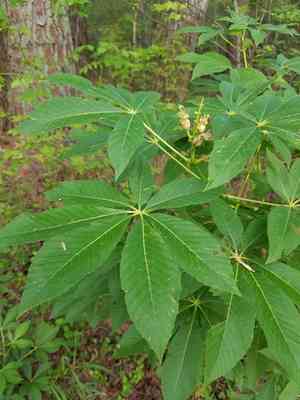
Painted buckeye (Aesculus sylvatica)
Also known as: Painted Buckeye, Georgia Buckeye
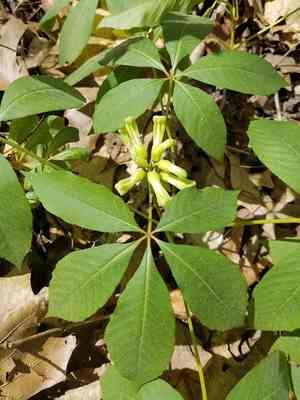
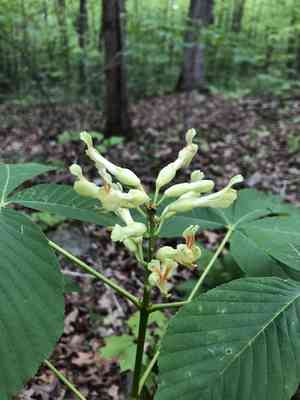
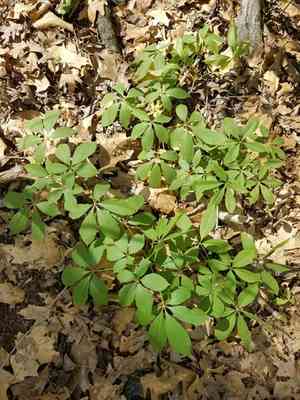
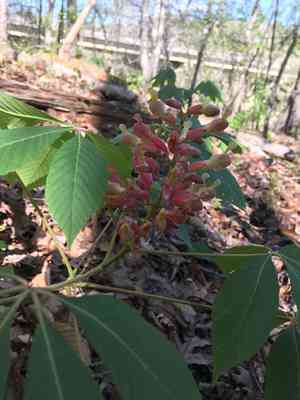
Aesculus sylvatica, known as Painted Buckeye, is a shrub characterized by its compound leaves, each consisting of five leaflets. These leaflets measure approximately 11 to 15 cm in length and 4 to 6 cm in width, and have serrated edges. The shrub's flowers are predominantly yellow, sometimes featuring hints of red or pink, and bloom in upright clusters during the spring season.
In This Article
Attributes of Painted buckeye
Lifespan
Perennial
Plant Type
Shrub
Plant Height
3 m to 6 m
Spread
1.8 m to 4.5 m
Leaf Color
Green in summer, yellow in autumn
Flower Size
2.5 cm to 8 cm
Flower Color
Yellow to reddish
Images of Painted buckeye
Quickly Identify Painted buckeye
1
Height ranges from 10-20 feet (3-6 meters), varying between shrub and tree forms.
2
Leaves initially red, later yellow-green with serrated margins and double serrations occasionally.
3
Flowers in panicles, 5-8 inches (13-20 cm) long, with yellow-green, cream, or pink hues.
4
Fruit has rounded form with a husk containing 1-3 robust seeds, 1-1.5 inches (2.5-3.8 cm) in diameter.
5
Stout stem with large leaf scars, raised lenticels, and distinctive rough texture.
Scientific Classification of Painted buckeye
Phylum
Vascular plants
Class
Dicotyledons
Order
Sapindales
Family
Soapberry
Genus
Buckeye
Species
Painted buckeye
Planting and Growing of Painted buckeye
Care Difficulty
Easy
Watering Schedule
Every 6 days
Sunlight Requirements
Partial sun
Sunshine Duration
4-8 hours
Ideal Temperature
60-70℉
Soil Type
Potting Mix, Peat Mix
Soil pH
6.5-7.5
Fertilizer Type
Balanced
Pruning Season
Spring, Summer
Pruning Area
Branches, Leaves
Pruning Frequency
2 times a year
Repotting Season
Spring
Pot Type
Ceramic, Plastic
 How to Water Painted buckeye?
When watering Aesculus sylvatica, it's best to aim for a deep soak rather than frequent shallow watering. This plant prefers to receive around 500 ml of water each time, allowing the moisture to thoroughly reach its root system. The principle here is to provide enough water to moisten the soil without leaving it waterlogged.
What are the symptoms of an underwatered Painted buckeye?
›
What should I do if my Painted buckeye is not getting enough water?
›
What are the symptoms of an overwatered Painted buckeye?
›
How to save an overwatered Painted buckeye?
›
 What Are the Sunlight Requirements for Painted buckeye?
Aesculus sylvatica prefers a few hours of morning sun combined with afternoon shade. This mimics the natural environment and ensures strong, healthy growth and flowering.
What kind of light does Aesculus sylvatica prefer?
›
How do you provide ideal light for Aesculus sylvatica?
›
What benefits does ideal light provide to Aesculus sylvatica?
›
 What Is the Ideal Temperature Range for Painted buckeye?
Aesculus sylvatica thrives best in temperatures ranging from 60°F to 70°F. This range provides the perfect conditions for metabolic processes and photosynthesis, leading to vigorous growth and overall plant health. Maintaining temperatures within this range ensures resilience against pests and diseases while promoting optimal nutrient uptake.
 What Soil is Best for Painted buckeye?
Aesculus sylvatica thrives in well-drained soils that prevent waterlogging, which helps avoid root rot and encourages healthy root growth. This drainage capability ensures the soil retains just the right amount of moisture necessary for optimal growth. To achieve its full potential, Aesculus sylvatica requires nutrient-rich soil, ideally enriched with organic compost, which provides essential nutrients and improves soil structure, enhancing water retention while providing adequate aeration. Maintaining moderate soil moisture without stagnant water is crucial for Aesculus sylvatica. Consistent moisture facilitates nutrient absorption and supports the plant’s physiological processes, resulting in lush foliage and vigorous growth.
 How to Fertilize Painted buckeye?
For Aesculus sylvatica, a modest application of fertilizer is ideal. Use about 1/2 cup of a balanced 10-10-10 NPK fertilizer per 10 square feet during the growing season. Essential nutrients should be distributed evenly to avoid concentrated areas that could lead to scorching of the roots.
 How to Prune Painted buckeye?
Start by identifying and removing any dead or diseased branches. These should be cut back to the point of origin. Removing these helps improve air circulation and sunlight penetration throughout the tree. Thin out crowded interior branches to improve the tree’s structure and encourage strong, healthy growth. Cut back to a lateral branch or bud facing in a desired direction. Shaping the canopy helps maintain the natural form of Aesculus sylvatica. Trim back any overly long branches to create an even and balanced appearance, ensuring not to cut too much at once.
More About Pruning Techniques→
 How to Propagate Painted buckeye plant?
1
For seed propagation, collect seeds in autumn and store them in a cool, dry place until spring. Stratify the seeds in cold, moist conditions for enhanced germination. Sow them in trays with a well-draining potting mix.
2
Select a healthy stem from the mother plant and make a clean cut about 10-15 cm long. Use a rooting hormone to improve the cutting's ability to sprout roots. Place the cutting in a moist, well-aerated substrate.
3
Once seeds germinate or cuttings root, transplant them into larger pots with nutrient-rich soil. Ensure the plant is stable and has good access to sunlight and moderate watering for optimal growth.
 How to Repot Painted buckeye plant?
1
Aesculus sylvatica usually signals the need for repotting when its roots begin to outgrow the current pot, often appearing through the drainage holes. Additionally, slow growth or poor soil quality can indicate it's time to move to a larger environment. It's best to repot during active growth periods, typically in spring or summer, to minimize stress and ensure a healthy establishment in the new pot.
2
Choosing the right pot for Aesculus sylvatica involves ensuring adequate drainage and sufficient space for root expansion. A pot with drainage holes is essential to prevent waterlogging, which can lead to root rot. Selecting a container that's only slightly larger than the current one is beneficial as it prevents overwatering issues and allows the plant to flourish by focusing on root establishment.
3
The soil chosen for repotting Aesculus sylvatica should be light and well-draining to support healthy root growth. An organic potting mix enriched with peat or compost provides nutrients and maintains moisture balance, preventing the roots from sitting in excessive water. This kind of soil promotes robust growth by allowing sufficient oxygen flow and nutrient intake for optimal health.
Toxicity
If consumed or even touched
WARNING
The judgment on toxicity and danger is for reference only. We DO NOT GUARANTEE any accuracy of such judgment. Therefore, you SHALL NOT rely on such judgment. It is IMPORTANT TO SEEK PROFESSIONAL ADVICE in advance when necessary.



