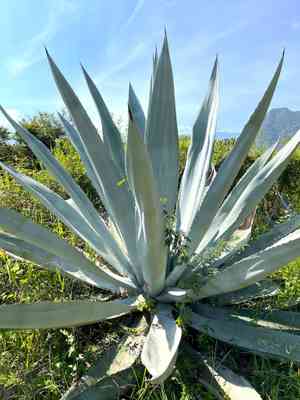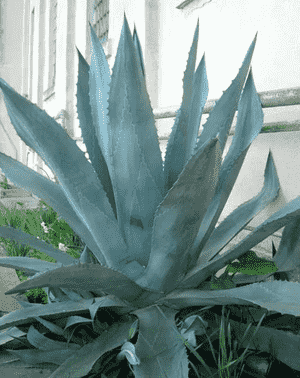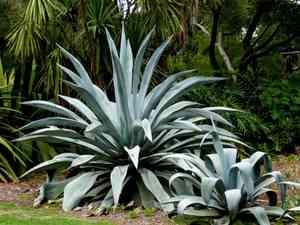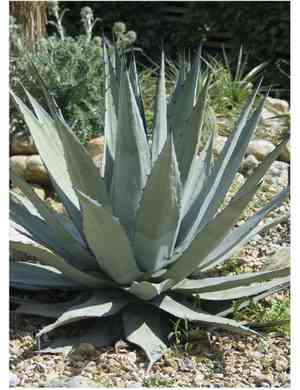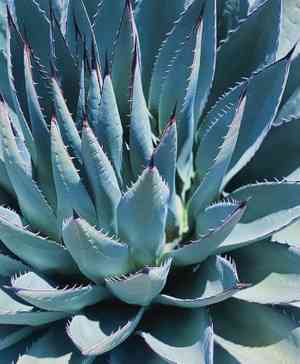
Century plant(Agave americana)

Century plant (Agave americana)

Also known as: American aloe, Sentry plant

The century plant, despite its name, typically has a lifespan of around 10 to 30 years. It is renowned for its singular blooming event, which occurs just once before it dies. As it nears the end of its life, the plant produces a towering flower stalk that can grow up to 30 feet tall, adorned with yellow blossoms. This remarkable event signals the end of the plant's life cycle. However, the plant's offshoots can continue to grow. Additionally, the plant's tough fibers are often used for making items like mats and ropes, and its moisture-rich sap can be fermented to produce various alcoholic beverages.

Attributes of Century plant

Lifespan
Perennial
Plant Type
Succulent, Herb
Plant Height
1 m to 3 m
Spread
2 m to 3.5 m
Leaf Color
Green Blue Silver Yellow White Gray
Flower Size
10 cm
Flower Color
Yellow Green White Gold

PlantJoy - Identify plants with a snap

Identify and diagnose plants, get toxicity alerts, and explore safety guides for all types of fungi.

Try for Free

Images of Century plant

Century plant(Agave americana)

Quickly Identify Century plant

1
Rosette formation of rigid, gray-green leaves with spiny margins and sharp terminal point.
2
Colossal flower stalk reaching 15-30 feet (4.5-9 meters) high with greenish-yellow flowers.
3
Panicles of 3-4 inch (7.6-10.2 cm) long flowers at branch tips post-blooming.
4
Spatulate to oblanceolate leaves, 3-7 feet (1-2 meters) long, grey to greyish blue in color.
5
Post-flowering, vegetative offsets form at the base; main plant ceases growth.

Scientific Classification of Century plant

Phylum
Vascular plants
Class
Monocotyledons
Order
Asparagus and allies
Family
Asparagus
Genus
Agaves
Species
Century plant

Planting and Growing of Century plant

Care Difficulty
Easy
Watering Schedule
Every 2 days
Sunlight Requirements
Full sun
Sunshine Duration
6-10 hours
Ideal Temperature
60-70℉
Soil Type
Potting Mix, Peat Mix
Soil pH
6.5-7.5
Fertilizer Type
Balanced
Pruning Season
Spring, Summer
Pruning Area
Branches, Leaves
Pruning Frequency
2 times a year
Repotting Season
Spring
Pot Type
Plastic, Ceramic

water icon How to Water Century plant?

For Agave americana, water thoroughly so that the soil is moist but not waterlogged. Aim for about 500 ml each time, ensuring that water can drain freely from the pot to avoid sitting water, which could harm the roots.
What are the symptoms of an underwatered Century plant?
What should I do if my Century plant is not getting enough water?
What are the symptoms of an overwatered Century plant?
How to save an overwatered Century plant?
More About Watering Techniques

sunlight icon What Are the Sunlight Requirements for Century plant?

Sunlight Requirements: Full sun, Partial sun
Duration of light: 6 - 8 hours daily
Agave americana prospers in environments with full to partial sun, benefiting from about six to eight hours of light daily. This exposure enables efficient photosynthesis, supporting growth, structural integrity, and vibrancy.
Optimal Amount of Sunlight
Solutions for Ideal Lighting
Benefits from Optimal Lighting
More About Sunlight Requirements Techniques

temperature icon What Is the Ideal Temperature Range for Century plant?

Ideal Temperature: 60 ~ 70℉
Agave americana thrives best in an environment where temperatures are consistently maintained between 60°F and 70°F. This temperature range provides optimal conditions for vital processes such as photosynthesis, respiration, and nutrient absorption. Maintaining these temperatures supports healthy growth patterns and vibrant foliage, ensuring your Agave americana remains robust and visually appealing.

soil icon What Soil is Best for Century plant?

Soil type: Sandy soil, Loam
Soil PH: 6.5 ~ 7.5
Agave americana thrives in well-drained soil, which prevents water from pooling around its roots. This reduces the risk of root rot, allowing the plant to grow healthy and strong. This plant is adapted to survive in nutrient-poor conditions. Excessive nutrients can lead to weak growth, making the plant more susceptible to disease and pests. Agave americana prefers soil with minimal organic matter, as too much can retain moisture and create an unsuitable environment. Low organic content prevents moisture-related diseases. More About Soil

fertilize icon How to Fertilize Century plant?

Fertilizer type: Balanced
For Agave americana, use a balanced 10-10-10 fertilizer at half strength to avoid over-fertilization. Apply 1/4 cup (about 60 ml) of diluted liquid fertilizer around the base during growth seasons, ensuring the soil is adequately moist beforehand.

prune icon How to Prune Century plant?

Pruning Time: Spring, Summer
Use a sharp, clean knife or pruning shears to cut away dead or damaged leaves close to the base. Make sure to slice at an angle to prevent water from pooling on the cut surface, which can cause rot. Agave americana produces offshoots, called pups, which compete for resources. Gently detach these pups from the parent plant using a spade. Transfer them to a new location if you wish to propagate them or compost them.

propagate icon How to Propagate Century plant plant?

Propagate Time: Spring, Early summer
1
To propagate Agave americana by seeds, start by collecting mature seeds from the agave flower stalk. For propagation by division, carefully remove offsets or pups from the base of the parent plant using a sterilized knife or pruners.
2
Whether using seeds or offsets, it's important to prepare a well-draining planting medium. Mix sand, perlite, and sterilized potting soil to provide the right environment for new growth. Ensure the container has adequate drainage holes.
3
For seedlings, scatter seeds over the surface and lightly cover them with soil. For offsets, plant them slightly below soil level. Water sparingly at first to prevent rot, and place them in a warm, sunny location to encourage growth.
More About Propagating Techniques

repot icon How to Repot Century plant plant?

Repotting frequency: Every 2-3 years
1
Repot Agave americana when the roots start to grow out of the drainage holes or when you observe a decline in plant health. Spring and summer are ideal as the plant will have time to recover before winter. Look for signs like stunted growth or poor drainage as indicators.
2
Select a pot that is slightly larger than the current one. A pot that is too big can lead to overwatering issues. Ensure it has drainage holes to prevent root rot, providing enough space for the roots to spread comfortably. Terracotta pots are recommended for their breathability.
3
Choose a well-draining potting soil, preferably a sandy cactus mix. This kind of soil allows excess water to drain quickly, preventing the roots from sitting in water which can cause rot. Adding some perlite or pumice will improve aeration and drainage even further.
More About Repotting Techniques

PlantJoy - Identify plants with a snap

Find the best spots for them to optimize their health, simply using your phone.

Try for Free

Toxicity of Century plant

Is Century plant toxic to cat?

The century plant presents a moderate toxicity risk to felines. Ingesting large quantities, especially the leaves and sap, can lead to poisoning in cats. Although the exact toxic compounds are not specified, cat owners must be cautious to keep their pets from nibbling on or swallowing any parts of the century plant. Should a cat consume this plant, it may exhibit signs of physical distress, which can vary depending on the quantity ingested. It is crucial to seek prompt veterinary assistance if poisoning is suspected to safeguard the pet's health and well-being.

Is Century plant toxic to dog?

The century plant presents a moderate toxicity risk to dogs. Poisoning generally occurs when a dog ingests this plant in excessive amounts. The components of the century plant that are harmful to canines include its leaves and the sap. If consumed, these components may lead to a variety of symptoms that indicate poisoning. Dog owners should remain alert for signs such as gastrointestinal distress, skin irritation, or other unusual behaviors that may indicate the dog's exposure to the plant's toxic substances. If poisoning from the century plant is suspected, it is crucial for pet owners to seek prompt veterinary assistance to safeguard their dog's health and well-being.

Identify toxic plants for your safety

Learn which plants are harmful to you and your pets, and make informed choices for a safer home!

Try for Free
WARNING
The judgment on toxicity and danger is for reference only. We DO NOT GUARANTEE any accuracy of such judgment. Therefore, you SHALL NOT rely on such judgment. It is IMPORTANT TO SEEK PROFESSIONAL ADVICE in advance when necessary.
More About Toxic Techniques