
Flossflower (Ageratum houstonianum)
Also known as: Mexican paintbrush, Blueweed
*Flossflower* (*Ageratum houstonianum*) is a short annual that draws in butterflies, bees, and birds. Its fragrant, aster-like blooms, which appear from spring through fall, come in vivid shades of blue, as well as white and pink. This plant thrives in full sun to partial shade and is known for its resistance to deer and rabbits. It typically grows to a height of 15 to 30 cm, making it a vibrant and colorful choice for any garden.
Attributes of Flossflower
Images of Flossflower
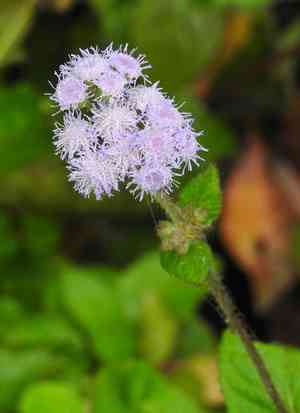
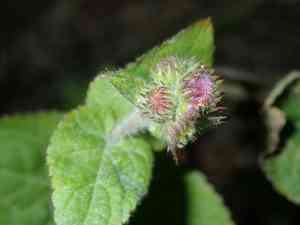

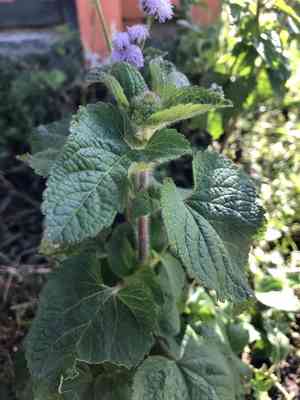
Quickly Identify Flossflower
Scientific Classification of Flossflower
Planting and Growing of Flossflower
 How to Water Flossflower?
 What Are the Sunlight Requirements for Flossflower?
 What Is the Ideal Temperature Range for Flossflower?
 What Soil is Best for Flossflower?
 How to Fertilize Flossflower?
 How to Prune Flossflower?
 How to Propagate Flossflower plant?
 How to Repot Flossflower plant?
Toxicity of Flossflower
Is Flossflower toxic to cat?
Flossflower is known to be toxic to felines. If cats inadvertently consume any portion of flossflower, they face the danger of poisoning, requiring swift intervention at a veterinary clinic. Outcomes of such an event can manifest as various symptoms that reflect distress or health issues. Similar to any situation involving suspected poisoning, immediate professional assessment and treatment are crucial to safeguard the health of the impacted cat.
Is Flossflower toxic to dog?
Flossflower is known to be toxic to dogs. Canines might unintentionally consume various parts of this plant, resulting in poisoning. The entire plant, encompassing leaves, stems, and flowers, harbors toxic substances that pose a threat to a dog's well-being. When a dog ingests any portion of flossflower, it may show signs such as vomiting, diarrhea, excessive drooling, or lethargy. It is vital for dog owners to keep a vigilant watch over their pets and restrict access to flossflower. If a dog does ingest this plant, seeking immediate veterinary care is essential for effective management of the poisoning.



