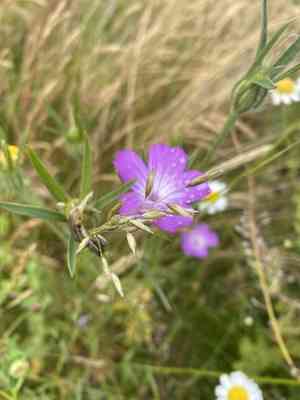
Common corncockle (Agrostemma githago)
Also known as: Corn pink, Zizany
The plant you're referring to is likely the Common Corncockle (Agrostemma githago). This annual can reach a height of up to 91 cm and produces purple blooms from spring through summer, with seeds maturing from summer to fall. While it is often deemed a weed in agricultural settings, it can enhance a home garden. Its sturdy stems make it particularly suitable for cut flower arrangements.
Attributes of Common corncockle
Images of Common corncockle
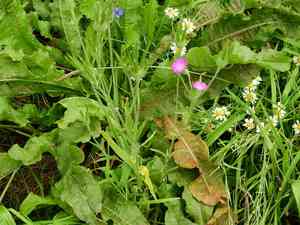
Quickly Identify Common corncockle
Scientific Classification of Common corncockle
Planting and Growing of Common corncockle
 How to Water Common corncockle?
 What Are the Sunlight Requirements for Common corncockle?
 What Is the Ideal Temperature Range for Common corncockle?
 What Soil is Best for Common corncockle?
 How to Fertilize Common corncockle?
 How to Prune Common corncockle?
 How to Propagate Common corncockle plant?
 How to Repot Common corncockle plant?
Toxicity of Common corncockle
Is Common corncockle toxic to humans?
Common corncockle, appreciated for its ornamental beauty in gardens, possesses mild toxicity for humans, as its toxins are not significantly absorbed upon consumption. However, it poses a considerable risk to poultry that consume its seeds, while other domestic animals show a lower susceptibility to its toxic effects.
Is Common corncockle toxic to cat?
The common corncockle presents a moderate risk of toxicity to cats, particularly if they accidentally consume the seeds. The toxic effects are attributed to triterpenoid secondary metabolites. Following ingestion, a cat may display signs of physical distress that require urgent medical care. To reduce the risks and possible health issues, cat owners must prevent their cats from accessing common corncockle and should promptly consult a veterinary hospital if poisoning is suspected.
Is Common corncockle toxic to dog?
Common corncockle presents a moderate toxicity hazard for dogs. Canines may inadvertently consume the plant, especially the seeds, which are recognized for their toxic properties. If a dog ingests any part of common corncockle, it could display symptoms such as gastrointestinal distress, lethargy, and potentially more severe clinical manifestations, depending on the quantity consumed. The seeds contain triterpenoid secondary metabolites, which play a significant role in the plant's toxicity. Should a dog be suspected of having ingested common corncockle, it is crucial to obtain immediate veterinary assistance to ensure swift and proper treatment.



