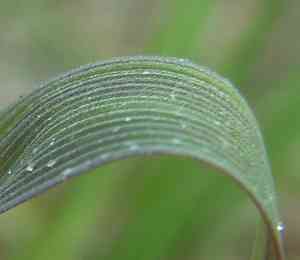
Creeping bent (Agrostis stolonifera)
Also known as: Marsh bent, Redtop grass, Marsh bentgrass, Carpet bentgrass
Creeping bentgrass is a perennial grass widely used for golf course turf due to its fine texture and ability to form dense, smooth surfaces. It is known to be invasive in certain areas of the US. This grass spreads through stolons, which are horizontal stems that create new plants, leading to the formation of interconnected tufts.
In This Article
Attributes of Creeping bent
Lifespan
Perennial
Plant Type
Grass
Plant Height
30 cm to 35 cm
Spread
1 m
Leaf Color
Green
Flower Size
1 cm to 3 cm
Flower Color
Red Brown White Yellow Green
Images of Creeping bent
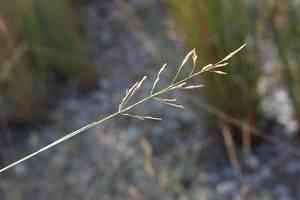
Quickly Identify Creeping bent
1
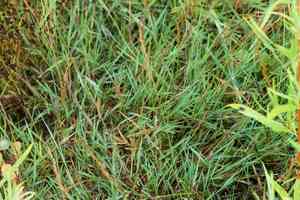
Dense mat of slender deep green leaves, around 2 inches (5 cm) long.
2
Smooth, wiry stems growing sideways, rooting at nodes to form patches.
3
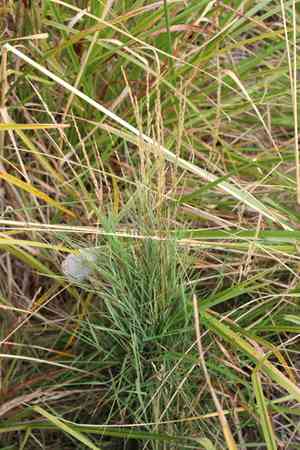
Stoloniferous growth habit forming thick sod, ideal for turf.
4
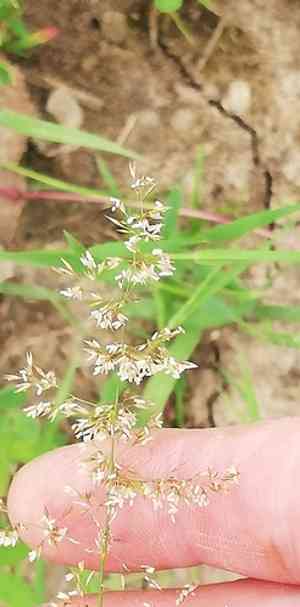
Midsummer purple flowers in dense panicles up to 6 inches (15 cm) long.
5
Small elliptical spikelets housing single seeds, typically less than 0.1 inches (2-3 mm) long.
Scientific Classification of Creeping bent
Phylum
Vascular plants
Class
Monocotyledons
Order
Poales
Family
Grass
Genus
Bentgrass
Species
Creeping bent
Planting and Growing of Creeping bent
Care Difficulty
Easy
Watering Schedule
Every 4 days
Sunlight Requirements
Full sun
Sunshine Duration
6-10 hours
Ideal Temperature
50-77℉
Soil Type
Potting Mix, Peat Mix
Soil pH
5.5-7.5
Fertilizer Type
Balanced
Pruning Season
Spring, Summer
Pruning Area
Branches, Leaves
Pruning Frequency
2 times a year
Repotting Season
Spring
Pot Type
Plastic, Ceramic
 How to Water Creeping bent?
For Agrostis stolonifera, ensure the soil remains consistently moist but not waterlogged. You should aim to water the plant until the moisture reaches the root level, which typically involves around 200 ml per watering session. This amount helps maintain the delicate balance between sufficient hydration and avoiding swampy conditions that could harm the roots.
What are the symptoms of an underwatered Creeping bent?
›
What should I do if my Creeping bent is not getting enough water?
›
What are the symptoms of an overwatered Creeping bent?
›
How to save an overwatered Creeping bent?
›
 What Are the Sunlight Requirements for Creeping bent?
Agrostis stolonifera flourishes in full to partial sun. Ideal conditions promote healthy growth, vibrant color, and strong turf coverage, contributing to its popularity in lawns and sports fields.
More About Sunlight Requirements Techniques→
Optimal Sunlight Duration
›
Position of Planting
›
Benefits of Ideal Light
›
 What Is the Ideal Temperature Range for Creeping bent?
The ideal temperature range for Agrostis stolonifera, commonly known as Creeping Bentgrass, is between 50°F and 77°F. This range provides optimal conditions for photosynthesis and enzymatic activities, ensuring healthy growth and development.
 What Soil is Best for Creeping bent?
Agrostis stolonifera thrives in soils that retain moisture well. Sandy loam and loam are ideal because they balance drainage with moisture retention, ensuring the plant hydrates adequately without waterlogging. This characteristic is beneficial in maintaining the lushness and vibrant green of the grass, especially during dry periods. The plant prefers a nutrient-rich environment, which is why loam and peat soils are recommended. These soils are known for their high nutrient content, vital for the robust growth and health of Agrostis stolonifera. This ensures that the grass not only survives but thrives by acquiring essential nutrients. Despite its love for moisture, Agrostis stolonifera does not fare well in overly wet conditions. Soils with good drainage, like sandy loam, prevent waterlogging and the associated root diseases, ensuring that the plant maintains its vigor and resilience against potential ailments.
 How to Fertilize Creeping bent?
Agrostis stolonifera typically requires a balanced fertilization approach. During the active growing season, apply approximately 0.5 to 1 pound of nitrogen per 1,000 square feet. It's crucial to adjust the amount based on the specific nutrient needs of your turf, soil test results, and environmental conditions.
 How to Prune Creeping bent?
Begin by evaluating the current grass height and adjust your mower blades to leave 1-2 inches of grass. This promotes healthy photosynthesis and strong root systems. Vary your mowing patterns each time you mow to prevent soil compaction and wear patterns, which could damage the grass and stolons over time. After mowing, remove any grass clippings if they are too thick. While a thin layer can decompose and provide nutrients, a thick layer might suffocate the grass underneath.
 How to Propagate Creeping bent plant?
1
Begin by selecting a well-draining soil mix. For seeds, fill the seed trays with the mix and moisten it. For division, ensure the soil is rich in organic matter to support new growth.
2
Distribute seeds evenly across the surface of the soil in the tray. Gently press them into the soil without covering them completely to allow light to penetrate, which aids germination.
3
For division, use the sharp knife to separate stolons with attached roots from the main plant. Ensure each division has enough roots to support its growth independently.
 How to Repot Creeping bent plant?
1
Agrostis stolonifera should be repotted when you notice roots growing out of the drainage holes or when growth becomes stunted. Spring and early summer are ideal times since the plant is actively growing and can recover quickly from any disturbances.
2
Select a pot that is 1-2 inches larger in diameter than the current one. Make sure it has adequate drainage holes to prevent waterlogging, which can lead to root rot. The benefit of choosing the right pot size is to ensure proper root expansion and plant stability.
3
Opt for a sandy loam or peat mix that retains moisture yet drains well. Such a soil combination ensures that the roots receive adequate air and water, promoting healthy growth and avoiding water retention issues that could harm the plant.



