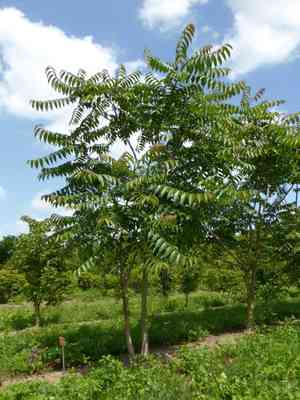
Tree of heaven (Ailanthus altissima)
Also known as: Chinese Sumac, Paradise tree, Tree of hell, Varnish tree
Despite its pleasant name, the tree of heaven is notorious in numerous parts of the US for its invasive nature. Many states classify it as an invasive species due to its aggressive spread, prolific seed production, and resilience in poor soil conditions. Its robust root system often causes damage to sidewalks, sewers, and other infrastructure.
Attributes of Tree of heaven
Images of Tree of heaven
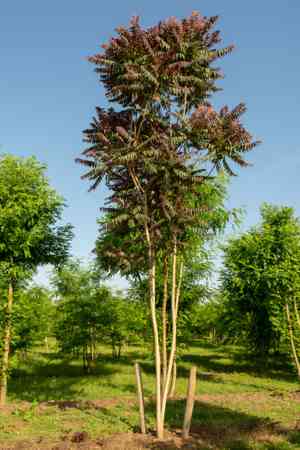
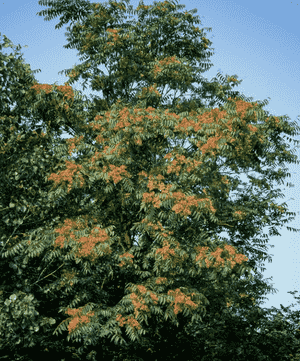
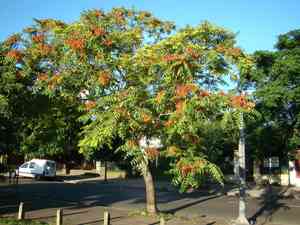
Quickly Identify Tree of heaven
Scientific Classification of Tree of heaven
Planting and Growing of Tree of heaven
 How to Water Tree of heaven?
 What Are the Sunlight Requirements for Tree of heaven?
 What Is the Ideal Temperature Range for Tree of heaven?
 What Soil is Best for Tree of heaven?
 How to Fertilize Tree of heaven?
 How to Prune Tree of heaven?
 How to Propagate Tree of heaven plant?
 How to Repot Tree of heaven plant?
Toxicity of Tree of heaven
Is Tree of heaven toxic to cat?
The tree of heaven is recognized as a poisonous plant for cats, particularly hazardous due to its leaves and flowers. Cats may unintentionally consume these components, resulting in symptoms of physical unease or sickness that require urgent veterinary attention. If a cat is believed to have ingested tree of heaven and is showing signs of poisoning, it is crucial to obtain immediate veterinary care to mitigate possible health issues. Preventing cats from accessing tree of heaven is vital in avoiding accidental poisoning and protecting their health.
Is Tree of heaven toxic to dog?
The tree of heaven is a hazardous plant for dogs, representing serious health threats if consumed. Dogs may inadvertently ingest various parts of this plant, leading to the risk of poisoning. The leaves and flowers in particular are extremely harmful and must be secured away from pets. If a dog happens to consume any portion of the tree of heaven, they might display symptoms like vomiting, diarrhea, weakness, or abdominal discomfort. It is essential for dog owners to keep a vigilant watch over their pets and to restrict their access to the tree of heaven. Should a dog ingest this plant, swift veterinary intervention is crucial to effectively address the poisoning.



