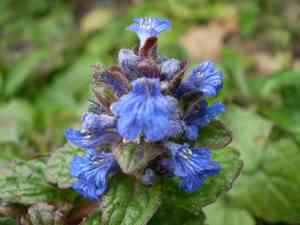
Common bugle (Ajuga reptans)
Also known as: Carpenter's Herb, Carpetweed, Carpet bugleweed, Bugleherb
Creeping thyme is a low-growing, dense plant known for its vibrant flowers and aromatic, green foliage. It serves as an excellent ground cover to suppress weeds and add a splash of color to your garden. However, creeping thyme is sensitive to foot traffic, so it's best to plant it away from walkways.
In This Article
Attributes of Common bugle
Lifespan
Perennial, Annual
Plant Type
Herb
Plant Height
7 cm to 15 cm
Spread
15 cm to 90 cm
Leaf Color
Green Red Purple Silver Brown
Flower Size
1.4 cm to 1.7 cm
Flower Color
Blue White Purple Pink Violet
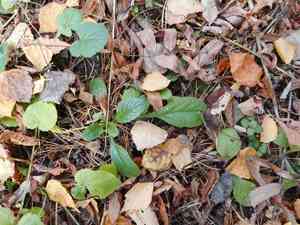
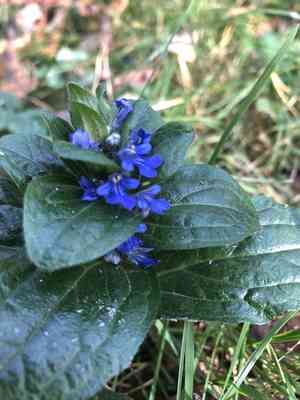
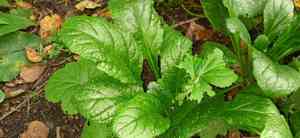
Images of Common bugle
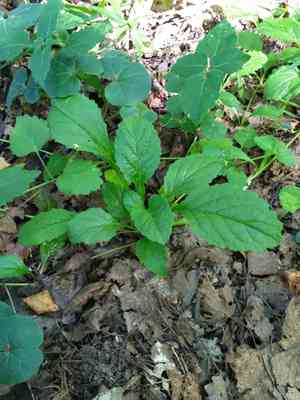
Quickly Identify Common bugle
1
Dense mat up to 4 inches (10 cm) high, spreads via stolons.
2
Upright spikes bear striking blue-violet flowers in dense clusters.
3
Fruit consists of four oval nutlets with pitted texture, muted earth tones.
4
Glossy, whorled leaves with irregularly toothed edges, various colors.
5
Acaulescent stem with 4-angled structure, pubescent texture, green to violet.
Scientific Classification of Common bugle
Phylum
Vascular plants
Class
Dicotyledons
Order
Lamiales
Family
Mint
Genus
Bugleweed
Species
Common bugle
Planting and Growing of Common bugle
Care Difficulty
Easy
Watering Schedule
Every 8 days
Sunlight Requirements
Partial sun
Sunshine Duration
4-8 hours
Ideal Temperature
60-75℉
Soil Type
Potting Mix, Peat Mix
Soil pH
6.5-7.5
Fertilizer Type
Balanced
Pruning Season
Spring, Summer
Pruning Area
Branches, Leaves
Pruning Frequency
2 times a year
Repotting Season
Spring
Pot Type
Terracotta, Plastic
 How to Water Common bugle?
Ajuga reptans should be watered with around 500ml per session to ensure the soil is evenly moist but not waterlogged. As a general guideline, water until the top 2-3 inches of soil are moist, allowing the water to seep through the drainage holes. This ensures root hydration while preventing root rot.
More About Watering Techniques→
What are the symptoms of an underwatered Common bugle?
›
What should I do if my Common bugle is not getting enough water?
›
What are the symptoms of an overwatered Common bugle?
›
How to save an overwatered Common bugle?
›
 What Are the Sunlight Requirements for Common bugle?
Ajuga reptans flourishes best under partial sun conditions with a light exposure of 4 to 6 hours. This ensures optimal growth, rich leaf color, and reduced risks of fungal diseases like mildew.
More About Sunlight Requirements Techniques→
How much sunlight does Ajuga reptans need?
›
Can Ajuga reptans grow in full shade?
›
What are the benefits of ideal lighting for Ajuga reptans?
›
 What Is the Ideal Temperature Range for Common bugle?
Ajuga reptans, also known as Bugleweed, thrives best in mild conditions. An optimal temperature range of 60°F to 75°F ensures robust growth and flowering. This range supports active photosynthesis and assures that the plant maintains its vibrant foliage color and overall health.
 What Soil is Best for Common bugle?
Ajuga reptans thrives in well-drained soil, which prevents waterlogging and root rot. This type of soil promotes healthy root development, allowing the plant to absorb nutrients efficiently. The plant benefits from soil rich in organic matter, which provides essential nutrients. A nutrient-rich environment supports vibrant foliage and robust growth, making the plant more resilient to pests and diseases. While good drainage is crucial, the soil should still retain some moisture to support Ajuga reptans' growth. Consistent moisture availability ensures the plant remains lush and vigorous, especially during dry periods.
More About Soil→
 How to Fertilize Common bugle?
Ajuga reptans prefers a light hand when it comes to fertilization. A gentle, well-balanced fertilizer diluted to half strength is ideal. Too much fertilizer can lead to lush foliage at the expense of flowers, so it's best to err on the side of caution.
More About Fertilizing Techniques→
 How to Prune Common bugle?
Start by using a pair of clean, sharp garden scissors. Identify the older and woody stems, as well as any stems that appear diseased or dead. Cut these stems off at the base, being careful to avoid cutting into the crown of the plant. After removing dead or unwanted growth, deadhead any spent flowers to encourage continuous blooming. For a more compact appearance, trim back any overgrown foliage to shape the plant as desired.
More About Pruning Techniques→
 How to Propagate Common bugle plant?
1
Seeds can be collected from mature Ajuga reptans plants in late summer. Allow seed heads to dry on plants; then remove and collect seeds. Clean them to remove any debris before storage.
2
Select healthy stems for cuttings around 10 cm long. Remove lower leaves and dip the cut end into rooting hormone if desired. Place it into a damp potting mix or water to root.
3
In early spring or autumn, dig up mature Ajuga reptans plants. Gently separate the roots into smaller sections ensuring each has roots and foliage. Replant immediately for best results.
 How to Repot Common bugle plant?
1
Ajuga reptans should be repotted when you notice its roots emerging from the drainage holes or if the plant appears visibly stressed with stunted growth. If the soil seems compacted or stagnant, it's time to consider repotting.
2
Select a pot that is only slightly larger than the current one, ensuring it has adequate drainage holes. This prevents water retention that can lead to root rot, allowing Ajuga reptans to thrive by providing enough space for root expansion.
3
Opt for a well-draining potting soil, perhaps mixing garden soil with perlite or sand. This ensures that the roots receive ample oxygen and excess water is easily expelled, reducing the risk of root diseases while promoting healthy growth.



