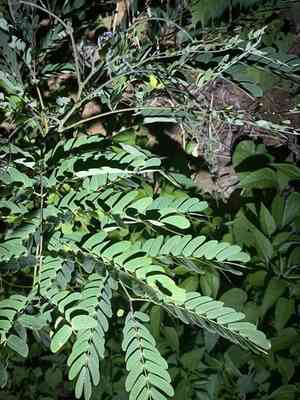
Whiteclintonia (Albizia kalkora)
Also known as: Indian Albizia, Mimosa Kalkora
The Tree of Heaven (Ailanthus altissima) is a medium-sized ornamental tree that shares some characteristics with the Silk tree (Albizia julibrissin). Known for its decorative appeal, Ailanthus altissima features attractive foliage and rapid growth. However, its aggressive nature and remarkable ability to self-seed have led to its invasive spread in North America, where it disrupts native ecosystems.
In This Article
Attributes of Whiteclintonia
Lifespan
Perennial
Plant Type
Tree
Plant Height
9 m to 15 m
Spread
8 m to 11 m
Leaf Color
Green
Flower Size
2 cm to 2.5 cm
Flower Color
White Yellow Pink
Images of Whiteclintonia
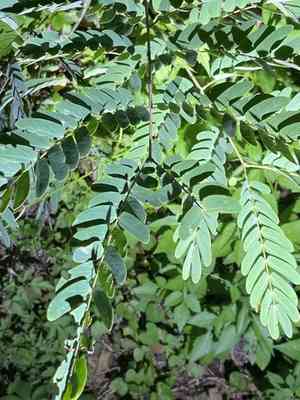
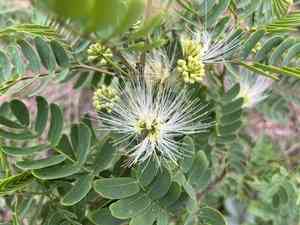
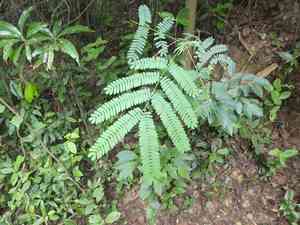
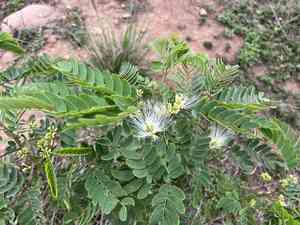
Quickly Identify Whiteclintonia
1
Powder-puff shaped blooms from white to yellow, clustered with silk-like threads, bloom May-June.
2
25-30 silk-like threads per flower head, transitioning from white to yellow, 0.8-1 inch long.
3
Dark brown, oblong fruit pods, 3-6 inches long, containing 4-12 seeds.
4
Yellow-green bipinnate leaves, closing at night, with 3-6 pairs of pinnae.
5
Robust brown stem with fuzzy hair, zigzagging branchlets, and thick bark with furrows.
6
Coarse grayish-brown bark with deep ridges and furrows, offering a rugged appearance.
7
Moderate stem thickness of 0.2-0.4 inches, gradually smoothens as it matures.
Scientific Classification of Whiteclintonia
Phylum
Vascular plants
Class
Dicotyledons
Order
Fabales
Family
Legume
Genus
Silk plants
Species
Whiteclintonia
Planting and Growing of Whiteclintonia
Care Difficulty
Easy
Watering Schedule
Every 2 days
Sunlight Requirements
Full sun
Sunshine Duration
4-8 hours
Ideal Temperature
60-75℉
Soil Type
Potting Mix, Peat Mix
Soil pH
6.5-7.5
Fertilizer Type
Balanced
Pruning Season
Spring, Summer
Pruning Area
Branches, Leaves
Pruning Frequency
2 times a year
Repotting Season
Spring
Pot Type
Plastic, Ceramic
 How to Water Whiteclintonia?
Albizia kalkora appreciates a good soak, allowing the water to penetrate deeply down to the roots. Ensure that you water until the soil is consistently moist but not waterlogged. A general target is 500ml per watering session, which is usually just right to maintain optimal soil moisture without risking root rot.
What are the symptoms of an underwatered Whiteclintonia?
›
What should I do if my Whiteclintonia is not getting enough water?
›
What are the symptoms of an overwatered Whiteclintonia?
›
How to save an overwatered Whiteclintonia?
›
 What Are the Sunlight Requirements for Whiteclintonia?
Albizia kalkora thrives in full sun but can adapt to partial sun. Ideal light ensures robust growth, enhances flowering potential, and increases resistance to diseases.
More About Sunlight Requirements Techniques→
Location Selection
›
Supplemental Light
›
Natural Cycle Mimicry
›
 What Is the Ideal Temperature Range for Whiteclintonia?
For Albizia kalkora, the ideal temperature range is between 60°F to 75°F. This range ensures optimal growth and development, providing the plant with enough warmth without causing heat stress. Maintaining this temperature helps with effective photosynthesis and nutrient uptake, ensuring the plant thrives. It's crucial to monitor indoor temperatures, especially during seasonal changes, to ensure they stay within this ideal range.
 What Soil is Best for Whiteclintonia?
Albizia kalkora thrives in nutrient-rich soil that provides essential minerals for growth. Enriching the loamy soil with organic matter will enhance its fertility, ensuring robust health and a vibrant display of foliage and flowers. This plant demands well-draining soil to prevent root rot, which can be detrimental to its health. Incorporating sand or perlite into the soil improves porosity, allowing excess water to escape and maintaining the ideal moisture level for plant resilience. While well-drained, the soil should be able to retain some moisture for Albizia kalkora to stay hydrated. A mix of loam and clay soil can help strike this balance, providing a steady water supply that promotes sustainable growth.
 How to Fertilize Whiteclintonia?
Albizia kalkora, commonly known as the mimosa or silk tree, requires a balanced approach to fertilization. For liquid fertilizers, mix at half the recommended strength to avoid over-fertilization, as this plant is sensitive. One gallon of water with a liquid fertilizer mixed at a quarter strength per application is sufficient. Avoid fertilizing in the winter months when the plant is dormant.
 How to Prune Whiteclintonia?
Begin by removing any dead or diseased branches. This not only improves the plant's health but also prevents potential disease spread throughout the foliage. After clearing dead wood, focus on shaping the plant. Trim overgrown branches to maintain a pleasant shape, ensuring the tree doesn't overshadow other garden plants. Thin out crowded branches to allow for better air circulation and light penetration, which can deter pests and encourage inner foliage to thrive.
More About Pruning Techniques→
 How to Propagate Whiteclintonia plant?
1
Soak Albizia kalkora seeds in warm water for 24 hours to soften their outer coat, promoting better germination rates. After soaking, sow them into a well-draining seed-starting mix.
2
Select healthy and semi-hardwood stems for cutting. Make a clean cut at an angle just below a node, ensuring that each cutting has at least two leaves.
3
Dip the cut end of the Albizia kalkora cuttings into rooting hormone to stimulate root development. Plant them in a potting mix that ensures good drainage.
 How to Repot Whiteclintonia plant?
1
Albizia kalkora should be repotted when signs like roots growing out of drainage holes or stunted growth become evident. Additionally, if the soil seems depleted or water-logged, it's time for a fresh pot. Ensure the plant is actively growing for the best transition.
2
Select a pot that is one to two sizes larger than the current one, ensuring it has adequate drainage holes. A slightly larger pot provides sufficient room for root development without overwhelming the plant, helping it to thrive while reducing overwatering risks.
3
Opt for a well-draining loamy mix that mimics the plant's natural habitat. A balanced soil mix allows for adequate moisture retention while promoting root health and preventing water-logging, which is essential for Albizia kalkora.
Learn More About Whiteclintonia Diseases
Anthracnose
Bacterial Leaf Spot
Bacterial Wilt
Crown Gall
Cyst Nematode
Damping-off
Drought Stress
Fusarium Wilt
Gray Mold
Leaf Curl
Leaf Spot
Mosaic
Nutrient Deficiency
Nutrient Toxicity
Powdery Mildew
Root Rot
Root-knot Nematode
Rusts
Sooty Mold
Spider Mites
Temperature Stress
Thrips Damage
White Mold



