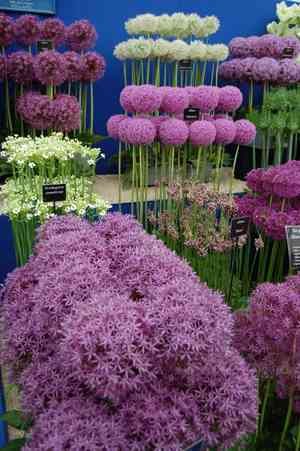
Onions (Allium) (Allium)
Also known as: Leeks
The term "onions" can be used to describe several plants, such as common onions, garlic, and leeks. These plants are popular in both home gardens and commercial farming. They typically produce flowers on tall stalks, and their leaves and bulbs are often edible.
Growing onions in your garden provides both aesthetic appeal and practical benefits. The plants emit a strong aroma that can deter rodents and other pests, making them a natural form of pest control. Additionally, they add culinary variety and can improve soil health.
In This Article
Attributes of Onions (Allium)
Lifespan
Perennial
Plant Height
30 cm to 1.2 m
Spread
15 cm to 30 cm
Leaf Color
Green
Flower Size
2-10 cm (0.8-4 inches)
Flower Color
Varies by species: white, pink, purple, yellow.
Images of Onions (Allium)
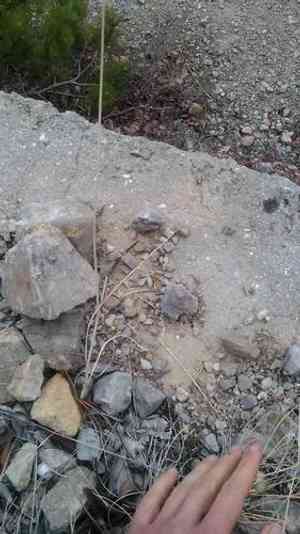
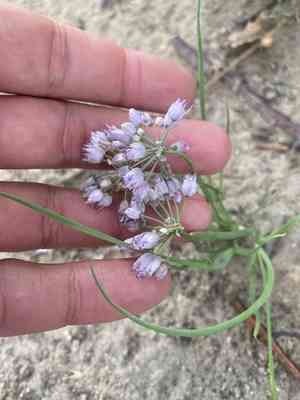
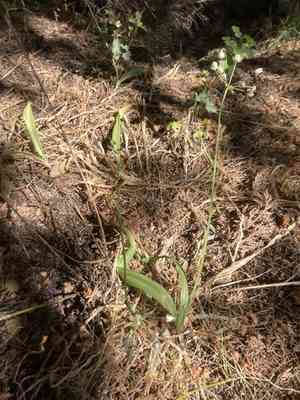
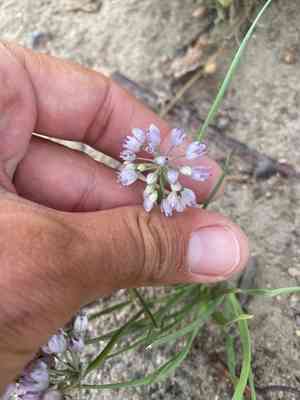
Quickly Identify Onions (Allium)
1
Allium plants can be identified by their signature bulbous structures, hollow leaves, and umbel-shaped flower clusters. The strong, onion-like smell is also a key identifier.
Scientific Classification of Onions (Allium)
Phylum
Magnoliophyta
Class
Liliopsida
Order
Asparagales
Family
Amaryllidaceae
Genus
Allium
Planting and Growing of Onions (Allium)
Care Difficulty
Easy
Watering Schedule
Every 2 days
Sunlight Requirements
Full sun
Sunshine Duration
6-8 hours
Ideal Temperature
60-75℉
Soil Type
Potting Mix, Peat Mix
Soil pH
6-7.5
Fertilizer Type
Balanced
Pruning Season
Spring, Summer
Pruning Area
Branches, Leaves
Pruning Frequency
2 times a year
Repotting Season
Spring
Pot Type
Plastic, Ceramic
 How to Water Onions (Allium)?
When it comes to watering Allium, it's crucial to aim for consistency. Water them deeply, around 350 milliliters per session, ensuring the water reaches the root zone. This mimics the plant's natural environment where water seeps down to the roots after a good rain. The key is not to drown the soil but to keep it evenly moist.
What are the symptoms of an underwatered Onions (Allium)?
›
What should I do if my Onions (Allium) is not getting enough water?
›
What are the symptoms of an overwatered Onions (Allium)?
›
How to save an overwatered Onions (Allium)?
›
 What Are the Sunlight Requirements for Onions (Allium)?
Allium flourishes under full to partial sun, ensuring up to 8 hours of daily light. This range supports energetic flowering and healthy foliage, bolstering the plant's overall vigor.
What is the best lighting condition for Allium?
›
How can you ensure ideal lighting for Allium?
›
What benefits does ideal lighting provide for Allium?
›
 What Is the Ideal Temperature Range for Onions (Allium)?
Allium thrives best within temperatures of 60°F to 75°F. This range supports optimal growth by ensuring that enzymes and plant processes function efficiently. Such conditions mimic moderate climates typical of its native habitats, promoting vigorous development and robust health.
 What Soil is Best for Onions (Allium)?
Allium plants thrive in nutrient-rich soils that supply essential minerals and nutrients necessary for robust growth and development. Ensuring soil is enriched with organic matter provides lasting benefits such as improved plant vigor and increased resistance to diseases. Well-drained soil is crucial for Allium species, as it prevents waterlogging that can lead to root rot. Implementing proper drainage ensures that roots receive adequate aeration and nutrients, promoting healthy growth. Allium prefers a pH range between 6.0 and 7.5, aligning with slightly acidic to neutral soil conditions. This range allows for optimal nutrient absorption and reduces the risk of nutritional deficiencies.
 How to Fertilize Onions (Allium)?
Allium plants require a moderate amount of fertilizer. For liquid fertilizers, a diluted solution with a concentration of around 1/4 to 1/2 of the recommended amount should be applied to avoid any risk of over-fertilization.
 How to Prune Onions (Allium)?
Begin by removing any yellowing or brown leaves to improve air circulation and sunlight access. This will also encourage the plant to focus its energy on producing vibrant blooms rather than sustaining dying foliage. After the flowering period, cut back the flower stalks to the base. Doing this prevents seed production, thereby allowing the plant to conserve energy for next year's growth and bloom. If your Allium is forming dense bulb clusters, separate them during spring to reduce overcrowding. This not only promotes better growth but also reduces competition for nutrients among the bulbs.
 How to Propagate Onions (Allium) plant?
1
Start by choosing high-quality seeds and soaking them overnight in water to improve germination rates. This softens the seed coat, encouraging quicker and more uniform sprouting.
2
Sow seeds in a tray filled with a well-draining potting mix. Plant them at a depth of about 1/8 inch and cover lightly with soil. Ensure even moisture but avoid waterlogging.
3
For division propagation, dig up established plants during the dormant season. Use a clean knife or hands to separate the bulb clusters, ensuring each clump has roots attached.
 How to Repot Onions (Allium) plant?
1
Allium plants signal their need for repotting when you notice the roots beginning to protrude from the drainage holes of the pot. Additionally, if the plant's growth appears stunted or it takes longer to dry out after watering, it may be time to repot. Ideally, choose the start of spring or autumn for this task when the plant is not actively flowering, as the moderate temperatures during these seasons help the plant adapt better to its new container.
2
Select a pot that provides good drainage to prevent root rot and allows space for new root growth. A container that is 2 inches wider in diameter than the current one usually suffices. Using a pot made from breathable materials such as clay or terracotta gives an extra advantage, as these materials help regulate soil moisture and temperature, promoting healthier roots.
3
Opt for a soil that is well-draining yet retains enough nutrients to support the plant's growth. Incorporating materials like perlite or pumice helps improve aeration and drainage. A soil mix rich in organic matter not only provides the nutrients necessary for healthy growth but also helps maintain moisture without waterlogging the roots, ensuring the plant thrives in its new environment.
Toxicity of Onions (Allium)
Is Onions (Allium) toxic to humans?
Onions are widely utilized in the human diet globally. However, they can be toxic to pets.
WARNING
The judgment on toxicity and danger is for reference only. We DO NOT GUARANTEE any accuracy of such judgment. Therefore, you SHALL NOT rely on such judgment. It is IMPORTANT TO SEEK PROFESSIONAL ADVICE in advance when necessary.


