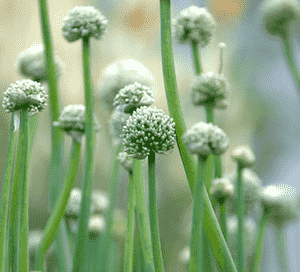
Onion (Allium cepa)
Also known as: Garden onion, Common onion
The onion (Allium cepa), widely recognized for its culinary uses, also serves an educational purpose. Due to the large size and easy visibility of its cells, it is frequently used in teaching students how to operate a microscope. Additionally, it's worth noting that onions are toxic to certain animals.
Attributes of Onion
Images of Onion
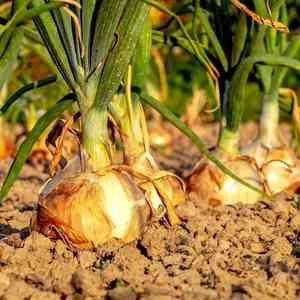
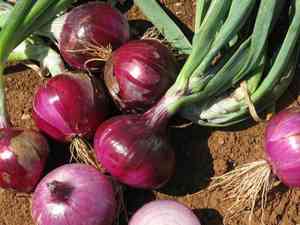
Quickly Identify Onion
Scientific Classification of Onion
Planting and Growing of Onion
 How to Water Onion?
 What Are the Sunlight Requirements for Onion?
 What Is the Ideal Temperature Range for Onion?
 What Soil is Best for Onion?
 How to Fertilize Onion?
 How to Prune Onion?
 How to Propagate Onion plant?
 How to Repot Onion plant?
Toxicity of Onion
Is Onion toxic to cat?
All varieties of onions are harmful to cats, with the onion (Allium cepa) being the most dangerous among them. Every component of the plant, whether above or below the soil, poses a toxic threat to felines. When a cat consumes any part of this plant, it can display symptoms of illness within 6-12 hours, which may encompass vomiting, copious drooling, diarrhea, lethargy, pale gums, and/or abdominal discomfort. Typically, veterinary intervention is necessary for a complete recovery. Cooked onions also remain perilous!
Is Onion toxic to dog?
Every part of the onion plant poses at least a mild toxicity risk to dogs; however, it is mainly the bulb—the portion most frequently prepared and consumed by humans—that generally elicits the most intense reactions. Dogs frequently unwittingly consume onions that are incorporated into meals served as table scraps. Symptoms may include vomiting, diarrhea, excessive drooling, and general gastrointestinal upset. Although these symptoms can lead to significant discomfort for your dog, it is reassuring to note that consuming onions rarely results in severe or life-threatening outcomes.



