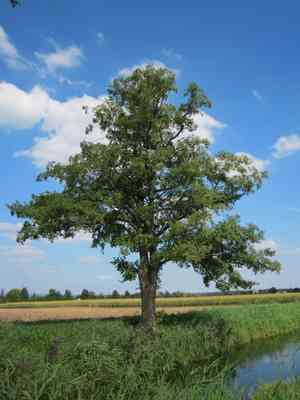
Black alder(Alnus glutinosa)

Black alder (Alnus glutinosa)

Also known as: Alder, Common alder

Black alder (Alnus glutinosa), native to much of continental Europe, finds varied commercial applications. Its wood is prized in furniture-making, cabinetry, and turnery due to its fine grain and ease of working. The wood pulp is also utilized in paper production, while the tree's nitrogen-fixing ability makes it valuable for land reclamation and soil improvement projects. Additionally, black alder is a source of high-quality charcoal for artistic and industrial uses. The bark, rich in tannins, is employed in the leather tanning industry. Traditional medicine has used various parts of the tree for their anti-inflammatory properties. Historically, the sticky leaves were even used as a natural flea trap in homes.

Attributes of Black alder

Lifespan
Perennial
Plant Type
Tree
Plant Height
20 m to 37 m
Spread
6 m to 12 m
Leaf Color
Green
Flower Size
1 cm to 1.5 cm
Flower Color
Brown Yellow Red

PlantJoy - Identify plants with a snap

Identify and diagnose plants, get toxicity alerts, and explore safety guides for all types of fungi.

Try for Free

Images of Black alder

Black alder(Alnus glutinosa)

Quickly Identify Black alder

1
Distinctive sticky stems with glutinous glands.
2
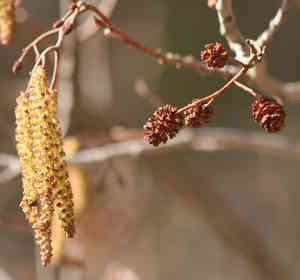
Catkins with male and female florets.
3
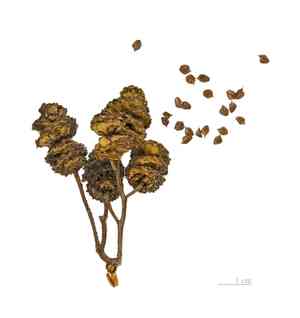
Woody cones with winged seeds, persisting through winter.
4
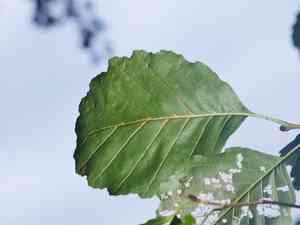
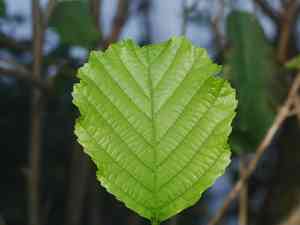
Oval to elliptical dark green leaves with serrated margins.
5
Bark transitions from smooth to distinctive plates with shallow furrows.

Scientific Classification of Black alder

Phylum
Vascular plants
Class
Dicotyledons
Order
Beeches, walnuts, and allied trees
Family
Birch
Genus
Alders
Species
Black alder

Planting and Growing of Black alder

Care Difficulty
Easy
Watering Schedule
Every 4 days
Sunlight Requirements
Full sun
Sunshine Duration
4-6 hours
Ideal Temperature
50-77℉
Soil Type
Potting Mix, Peat Mix
Soil pH
6.5-7.5
Fertilizer Type
Balanced
Pruning Season
Spring, Summer
Pruning Area
Branches, Leaves
Pruning Frequency
2 times a year
Repotting Season
Spring
Pot Type
Plastic, Ceramic

water icon How to Water Black alder?

When watering Alnus glutinosa, ensure the soil is thoroughly moistened but not waterlogged. Use about 1000 ml per session, ensuring the water penetrates down to the root level. This encourages strong root growth and prevents shallow rooting.
What are the symptoms of an underwatered Black alder?
What should I do if my Black alder is not getting enough water?
What are the symptoms of an overwatered Black alder?
How to save an overwatered Black alder?
More About Watering Techniques

sunlight icon What Are the Sunlight Requirements for Black alder?

Sunlight Requirements: Full sun, Partial sun
Duration of light: 4 to 6 hours
Alnus glutinosa ideally benefits from full to partial sunlight. This light range supports healthy growth, ensuring enough energy for photosynthesis and maintaining its structural integrity.
What is the ideal sunlight condition for Alnus glutinosa?
How can I ensure that my Alnus glutinosa gets this ideal sunlight?
What benefits does Alnus glutinosa get from ideal lighting?
More About Sunlight Requirements Techniques

temperature icon What Is the Ideal Temperature Range for Black alder?

Ideal Temperature: 50 ~ 77℉
Alnus glutinosa thrives best in a temperature range of 50 to 77°F. This range allows for optimal metabolic activities and photosynthesis processes, promoting healthy growth and development. Maintaining temperatures within this range ensures that the plant uses resources efficiently and remains resilient against environmental stresses.

soil icon What Soil is Best for Black alder?

Soil type: Sandy soil, Loam, Clay soil, Peat soil, Sandy loam
Soil PH: 6.5 ~ 7.5
Alnus glutinosa thrives in soils with good moisture retention. The ability to retain moisture is crucial for its growth as it prevents the soil from drying out, especially during dry spells, ensuring consistent moisture availability for optimal growth. This tree prefers nutrient-rich soils that provide all essential nutrients. Rich soils support vigorous growth and allow the plant to develop a robust root system, essential for long-term health and resilience. While Alnus glutinosa enjoys moist soil, it also requires good drainage to avoid waterlogging. Proper drainage prevents root rot, ensuring the plant's roots can breathe and function effectively. More About Soil

fertilize icon How to Fertilize Black alder?

Fertilizer type: Balanced
For Alnus glutinosa, use liquid fertilizer diluted to half strength. Apply about 100ml per plant, ensuring even distribution to avoid root burns or nutrient overdose. For solid fertilizers, use 50g per plant, evenly spread around the base. More About Fertilizing Techniques

prune icon How to Prune Black alder?

Pruning Time: Winter, Early Spring
Prune in late Winter or early Spring before new growth begins. This timing helps to minimize stress on the tree and allow it to recover quickly as it enters its growth period. Do not remove more than 25% of the tree's canopy in a single year. Excessive pruning can weaken the tree's structure and reduce its ability to photosynthesize, leading to poor health. Check for the formation of burr knots, especially near grafts. These should be pruned out to prevent the development of vascular weakness and other complications. More About Pruning Techniques

propagate icon How to Propagate Black alder plant?

Propagate Time: Spring, Early spring
1
Gather seeds from mature cones of Alnus glutinosa in early autumn. Ensure seeds are fully developed and dry before storage. This step is crucial for ensuring healthy seed viability and future plant growth.
2
Take semi-hardwood cuttings in early spring when new growth has started. Ensure each cutting is approximately 10-15 cm long with at least a couple of leaf nodes. This promotes efficient rooting and growth.
3
Plant seeds or cuttings in well-draining soil, maintaining appropriate moisture levels. Frequent watering may be necessary, but ensure the soil is not waterlogged, as this could inhibit root development.
More About Propagating Techniques

repot icon How to Repot Black alder plant?

Repotting frequency: Two to three years
1
Alnus glutinosa shows signs it needs repotting when its roots start circling the pot surface or protrude from drainage holes. Alternatively, the growth rate slows significantly despite optimal conditions. Either of these signs indicates it's time for a larger space to support its roots.
2
When selecting a pot for Alnus glutinosa, look for one that is 2-3 inches larger in diameter than the current pot. Good drainage is essential, so ensure that it has multiple drainage holes. A slightly larger pot gives roots room to grow without overwhelming the plant with too much soil, which can retain excess moisture.
3
The ideal soil for repotting Alnus glutinosa is well-draining loamy soil. This type of soil helps retain enough moisture for growth while ensuring excess water drains away, preventing root rot. The nutrient composition of loamy soil supports robust plant health and development.

PlantJoy - Identify plants with a snap

Find the best spots for them to optimize their health, simply using your phone.

Try for Free