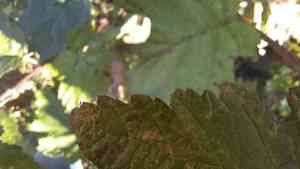
Manchurian alder (Alnus hirsuta)
Also known as: Siberian alder
Found in the wild at elevations of 762 m and 1524 m, manchurian alder, is said to be the most drought tolerant Alder and can be transplanted easily. Manchurian alder is used for furniture and as building timber. It also makes for good fuel and charcoal. It has been noted as a nitrogen fixer and utilized to prevent soil erosion.
In This Article
Attributes of Manchurian alder
Lifespan
Perennial
Plant Type
Tree
Plant Height
15 m to 20 m
Spread
6 m to 9 m
Leaf Color
Green
Flower Size
5 cm to 10 cm
Flower Color
Purple Brown Lavender Gold
Images of Manchurian alder
Quickly Identify Manchurian alder
1
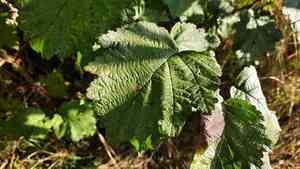
Ovate glossy green leaves with doubly toothed margins, measuring 2.5 × 5 inches (6.3 × 12.7 cm).
2
Small woody cones, 3/4 inches (1.9 cm) long with winged seeds, persisting through winter.
3
Female catkins releasing seeds in fall, male catkins drooping, purplish, up to 4 inches (10 cm) long.
4
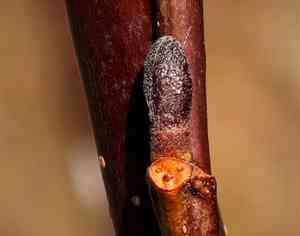
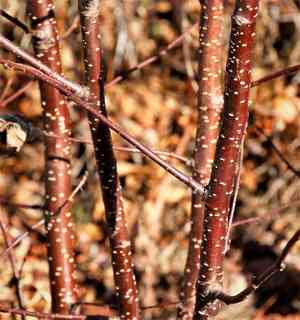
Gray bark with coarse hairs, smooth on the stem, evolving to a medium-sized, deciduous tree.
5
Distinctive upright form, low canopy, reaching heights around 49 to 82 feet (15 to 25 meters).
Scientific Classification of Manchurian alder
Phylum
Vascular plants
Class
Dicotyledons
Order
Fagales
Family
Birch
Genus
Alders
Species
Manchurian alder

