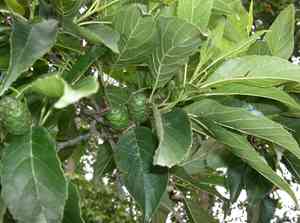
East Asian alder (Alnus japonica)
Also known as: Japanese Alder
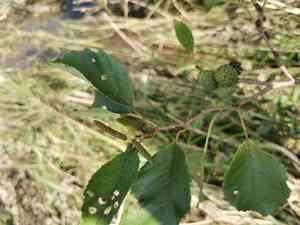
The tree stands between 15 and 20 meters tall, with a trunk diameter of roughly 60 centimeters. The male flowers are black-brown and cylindrical, hanging down like tails. The tree produces pine cone fruits that mature in the fall. Its leaves are oval-shaped, measuring 5 to 13 centimeters in length, with finely serrated edges.
In This Article
Attributes of East Asian alder
Lifespan
Perennial
Plant Type
Tree
Plant Height
3.5 m to 8 m
Spread
2.5 m to 3.5 m
Leaf Color
Green
Flower Size
1 - 2 cm
Flower Color
Green
Images of East Asian alder
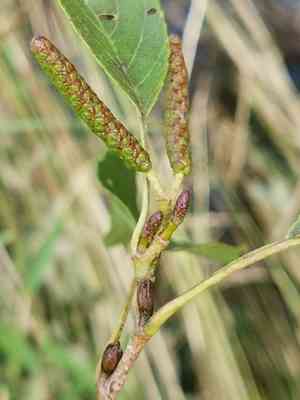
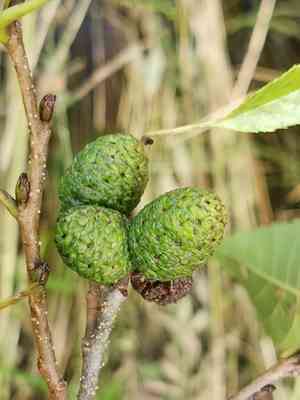
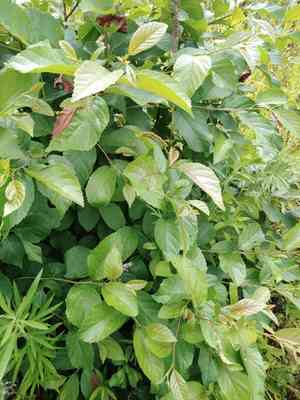
Quickly Identify East Asian alder
1
Distinctive ellipsoidal fruiting cones measuring 3/4 to 1 inch (1.9 to 2.5 cm) in length.
2
Male flowers in yellow-brown to red-brown catkins, 1 to 3 inches (2.5 to 7.5 cm) long.
3
Oval, narrow leaves with serrulate edges and acuminate tip, up to 5 inches (12.7 cm) long.
4
Female flowers on short purple-brown strobili, 0.39 to 0.79 inches (1 to 2 cm) long.
5
Canopy prefers full sun, resilient to pests, thrives in challenging conditions.
Scientific Classification of East Asian alder
Phylum
Vascular plants
Class
Dicotyledons
Order
Fagales
Family
Birch
Genus
Alders
Species
East Asian alder
Planting and Growing of East Asian alder
Care Difficulty
Easy
Watering Schedule
Every 4 days
Sunlight Requirements
Full sun
Sunshine Duration
4-8 hours
Ideal Temperature
60-75℉
Soil Type
Potting Mix, Peat Mix
Soil pH
5.5-7
Fertilizer Type
Balanced
Pruning Season
Spring, Summer
Pruning Area
Branches, Leaves
Pruning Frequency
2 times a year
Repotting Season
Spring
Pot Type
Plastic, Ceramic
 How to Water East Asian alder?
The Japanese Alder, Alnus japonica, thrives best when its soil remains consistently moist without becoming waterlogged. A general rule of thumb is to ensure the soil is moist to a depth of about 5-7 centimeters. Watering with 500 ml ensures that the soil is adequately hydrated without causing excess water to pool at the base.
What are the symptoms of an underwatered East Asian alder?
›
What should I do if my East Asian alder is not getting enough water?
›
What are the symptoms of an overwatered East Asian alder?
›
How to save an overwatered East Asian alder?
›
 What Are the Sunlight Requirements for East Asian alder?
Alnus japonica does best in full to partial sun areas. This allows ample sunlight for photosynthesis while minimizing the risk of leaf scorch.
What is the best lighting condition for Alnus japonica?
›
How to achieve ideal sunlight exposure for Alnus japonica?
›
What are the benefits of optimal lighting for Alnus japonica?
›
 What Is the Ideal Temperature Range for East Asian alder?
For Alnus japonica, the ideal growth temperature lies between 60 to 75°F. This range provides the necessary warmth for enzymatic activities vital for the plant's growth. High humidity combined with these temperatures also supports leaf and root development.
 What Soil is Best for East Asian alder?
Alnus japonica thrives in moisture-rich soils that are consistently damp. This soil requirement ensures the plant receives adequate hydration, mimicking the wet lowland environments of its native habitat, which promotes healthier growth and vibrant foliage. This plant benefits from soils that are rich in nutrients, enabling robust root development and consistent leaf production. Nutrient-rich soils supply the essential elements needed for the tree's growth, leading to more substantial and faster growth. To prevent root rot and other diseases, Alnus japonica needs well-draining soil. Well-draining substrates provide a perfect balance between moisture retention and aeration, which are crucial for sustaining the health and vigor of the plant.
 How to Fertilize East Asian alder?
For Alnus japonica, it is vital to adhere to balanced fertilization. During the growing season, use a complete fertilizer with an NPK ratio of 10-10-10. A liquid fertilizer should be diluted to half its strength and applied once a month, ensuring a consistent nutrient supply without overwhelming the roots.
 How to Prune East Asian alder?
Always wear gloves and eye protection when pruning to avoid injuries from sharp tools and branches. Ensure you have a stable footing while working, especially if using a ladder for higher branches. It's also crucial to sanitize your tools before and after pruning to prevent the spread of disease. Prune in the early morning or late afternoon to prevent water stress during hot midday temperatures. Avoid pruning during rainy days to minimize the risk of disease spread. Consistent pruning in all seasons is essential for the health and appearance of Alnus japonica. Observe growth patterns before pruning. Alnus japonica tends to grow vigorously, and understanding its natural growth habit can help you make more informed cuts. Removing the right branches can encourage a more robust, balanced canopy which is less susceptible to wind damage.
More About Pruning Techniques→
 How to Propagate East Asian alder plant?
1
Before planting, soak the seeds of Alnus japonica in water for 24 hours to break dormancy. This process hydrates the seed coat and helps speed up germination. In some cases, stratifying the seeds in a refrigerator for a few weeks before soaking can further enhance germination rates.
2
To propagate by cuttings, select healthy, semi-hardwood sections of the plant. Cut about 10-15 cm lengths and remove the lower leaves to prepare for planting. Dip the cut end in rooting hormone to stimulate root growth before planting it in moistened soil or perlite.
3
Plant the soaked seeds in a seed tray with a light, sandy compost mix. Ensure they are covered thinly with soil to allow light penetration, which aids in germination. Maintain a consistent temperature around 18-22°C for optimal growth and cover the tray with plastic wrap to retain moisture.
 How to Repot East Asian alder plant?
1
Alnus japonica should be repotted when you observe roots growing out of the drainage holes or when the plant seems to have stopped growing. These are signs that the roots need more space and fresh soil nutrients. Spring or autumn is ideal for repotting because the moderate temperatures and natural growth spurts help the plant recover faster.
2
Select a pot that is only slightly larger than its current one, with adequate drainage holes at the bottom. This encourages healthy root growth and prevents soil from becoming too compacted or waterlogged, which can lead to root rot. The pot material should be breathable, like terra cotta, to allow moisture control.
3
Opt for well-draining loamy soil, enriched with organic matter to keep it loose and retain moisture without becoming soggy. A good mix aids in nutrient exchange and root development, providing a stable environment for your Alnus japonica to thrive.



