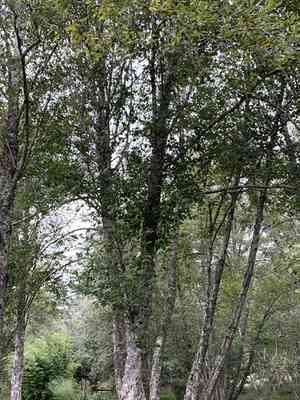
Red alder (Alnus rubra)
Also known as: Oregon alder
The Madrone, notable for its striking reddish hue when its bark is damaged, serves various purposes. Native American communities have traditionally utilized its bark for creating dye and medicine. Additionally, the Madrone's wood is valued in the construction and furniture industries.
In This Article
Attributes of Red alder
Lifespan
Perennial
Plant Type
Tree
Plant Height
3.5 m to 22 m
Spread
10 m
Leaf Color
Green
Flower Size
2.5 cm
Flower Color
Yellow Green Red
Images of Red alder
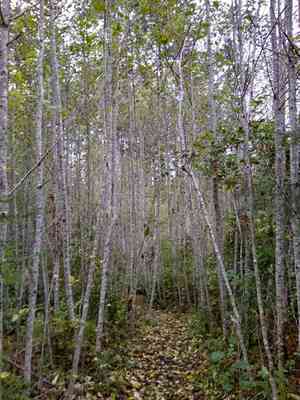
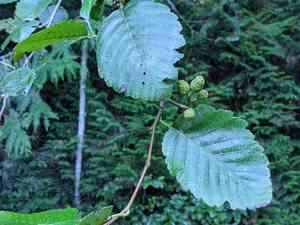
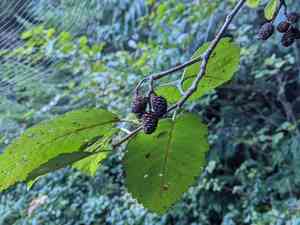
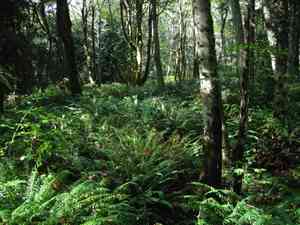
Quickly Identify Red alder
1
Smooth grey bark darkening to rusty red with age.
2
Ovate leaves with serrated margins and revolute hairs.
3
Male catkins measuring 4-6 inches (10-15 cm), hang pendulously.
4
Triangular olive to reddish-brown twigs with pubescent scales.
5
Small cone-like strobiles with winged samaras for wind dispersal.
Scientific Classification of Red alder
Phylum
Vascular plants
Class
Dicotyledons
Order
Fagales
Family
Birch
Genus
Alders
Species
Red alder
Planting and Growing of Red alder
Care Difficulty
Easy
Watering Schedule
Every 4 days
Sunlight Requirements
Full sun
Sunshine Duration
4-6 hours
Ideal Temperature
50-80℉
Soil Type
Potting Mix, Peat Mix
Soil pH
5.5-7.5
Fertilizer Type
Balanced
Pruning Season
Spring, Summer
Pruning Area
Branches, Leaves
Pruning Frequency
2 times a year
Repotting Season
Spring
Pot Type
Terracotta, Plastic
 How to Water Red alder?
For Alnus rubra, or the Red Alder, each watering should aim to thoroughly soak the root zone, typically requiring about 2000 milliliters. It’s important that water penetrates deep into the soil to sustain its growth. The principle is to ensure the soil is moist but never soggy, providing ample moisture without waterlogging.
What are the symptoms of an underwatered Red alder?
›
What should I do if my Red alder is not getting enough water?
›
What are the symptoms of an overwatered Red alder?
›
How to save an overwatered Red alder?
›
 What Are the Sunlight Requirements for Red alder?
Alnus rubra thrives in conditions that provide between 4 and 8 hours of sunlight daily, balancing periods of full and partial sun. Adequate lighting enhances its growth and resilience.
More About Sunlight Requirements Techniques→
What is the best location for Alnus rubra?
›
How can I ensure Alnus rubra receives adequate light?
›
What benefits are garnered from ideal lighting for Alnus rubra?
›
 What Is the Ideal Temperature Range for Red alder?
The ideal temperature range for Alnus rubra, also known as Red Alder, falls between 50°F and 80°F. In this range, the plant can thrive, exhibiting optimal growth and leaf development. This range supports the essential physiological processes the plant needs for photosynthesis and nutrient uptake.
 What Soil is Best for Red alder?
Alnus rubra thrives in soils that retain moisture well. This ensures the roots have constant access to water, promoting lush growth and preventing drought stress. Rich in nutrients, the ideal soil supports the rapid growth of Alnus rubra, allowing it to reach its full potential with healthy foliage and strong bark. While Alnus rubra needs moisture, the soil should also drain well to prevent root rot. Proper drainage balances water retention with aeration, ensuring root health.
 How to Fertilize Red alder?
For Alnus rubra, apply liquid fertilizer with a balanced N-P-K ratio at half the recommended concentration. Ensure the soil is moist before applying soluble fertilizers to avoid root burn. Solid fertilizers such as 10-10-10 granules can be used sparingly around the base of the plant, typically needing only a light application to promote growth.
 How to Prune Red alder?
Begin pruning from the base of the tree, removing any suckers or unwanted growth. This keeps the tree's energy focused on the main trunk and healthy branches. As you move upward, consider how you want the tree to look. Remove any crossing branches and space the limbs evenly for balanced growth and aesthetic appeal. Once you've addressed the problem areas and given the tree its desired shape, step back to evaluate your work. Make any necessary minor adjustments to ensure symmetry and health.
More About Pruning Techniques→
 How to Propagate Red alder plant?
1
Harvest seeds from mature Alnus rubra cones in late autumn. Allow them to dry, and then store in a cool, dry place until early spring for sowing.
2
In late winter, select healthy, disease-free branches of Alnus rubra. Using pruning shears, cut 6-8 inch segments just below the node. Remove lower leaves to reduce moisture loss.
3
Fill seed trays with a well-draining potting mix. Sow seeds evenly spaced, and cover lightly with soil. Maintain consistent moisture and place trays in a warm area with indirect light.
 How to Repot Red alder plant?
1
Alnus rubra benefits from repotting when roots protrude from drainage holes or the soil dries out rapidly after watering. These signals suggest the plant has outgrown its current container. Ideal repotting times are during Spring or Autumn when the tree is in a period of active growth or dormancy, minimizing stress on the plant.
2
Choose a pot that's at least 2-3 inches larger in diameter than the current one, made of breathable material like terracotta. A slightly larger pot ensures enough space for root expansion, while breathable materials prevent waterlogging, fostering healthier root development and reducing risk of rot.
3
Opt for a well-drained, loamy soil mix to support Alnus rubra's growth. This type of soil retains essential moisture without compacting, providing a stable environment for roots to receive nutrients and water efficiently. It prevents water retention that could lead to root rot, ensuring robust growth.



