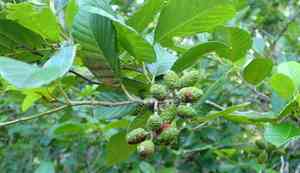
Hazel alder (Alnus serrulata)
Also known as: Brook-Side Alder, Smooth alder
The hazel alder is a small tree or large shrub found commonly in the United States. It prefers the wet soils of stream banks and wetland areas. This plant is slow-growing, taking around ten years to mature. It also produces fruit that looks similar to a pinecone.
In This Article
Attributes of Hazel alder
Lifespan
Perennial
Plant Type
Tree, Shrub
Plant Height
3 m to 4.5 m
Spread
2.5 m to 4.5 m
Leaf Color
Green Orange
Flower Size
5 cm to 10 cm
Flower Color
Red Brown Yellow Green Burgundy Gold
Images of Hazel alder
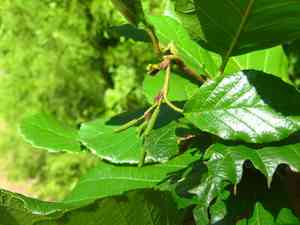
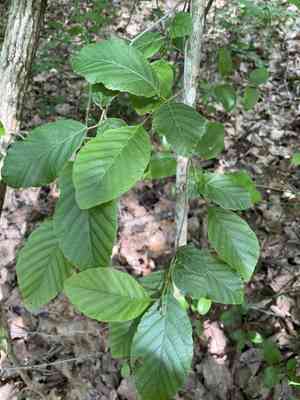
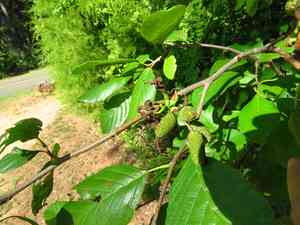
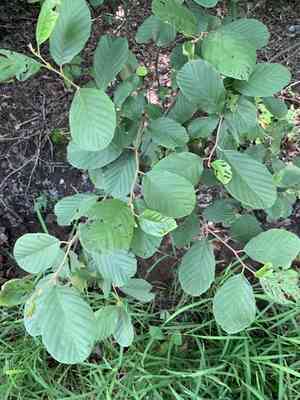
Quickly Identify Hazel alder
1
Deciduous tree, 10-15 feet (3-4.5 meters) tall
2
Distinct male and female flowers: yellow-brown and red catkins
3
1-inch (2.54 cm) fruiting cones with winged nutlets
4
Dull green leaves with saw-like teeth, 2-4 inches (5-10 cm)
5
Smooth gray bark with inconspicuous lenticels, sleek appearance
Scientific Classification of Hazel alder
Phylum
Vascular plants
Class
Dicotyledons
Order
Fagales
Family
Birch
Genus
Alders
Species
Hazel alder
Planting and Growing of Hazel alder
Care Difficulty
Easy
Watering Schedule
Every 4 days
Sunlight Requirements
Full sun
Sunshine Duration
6-10 hours
Ideal Temperature
60-75℉
Soil Type
Potting Mix, Peat Mix
Soil pH
6.5-7.5
Fertilizer Type
Balanced
Pruning Season
Spring, Summer
Pruning Area
Branches, Leaves
Pruning Frequency
2 times a year
Repotting Season
Spring
Pot Type
Plastic, Ceramic
 How to Water Hazel alder?
Alnus serrulata, commonly known as the smooth alder, requires a consistent watering routine where you provide about 1000 ml of water each time. The key principle is ensuring that the soil remains consistently moist but not soaked. Consider checking the first two inches of soil and water until it feels thoroughly damp without being waterlogged.
What are the symptoms of an underwatered Hazel alder?
›
What should I do if my Hazel alder is not getting enough water?
›
What are the symptoms of an overwatered Hazel alder?
›
How to save an overwatered Hazel alder?
›
 What Are the Sunlight Requirements for Hazel alder?
Partial sun to full sun is ideal for Alnus serrulata's health, encouraging lush foliage and robust growth while boosting its ability to withstand environmental stresses and diseases.
More About Sunlight Requirements Techniques→
How much light does Alnus serrulata require?
›
What solutions ensure Alnus serrulata receives ideal light?
›
What benefits does ideal light provide to Alnus serrulata?
›
 What Is the Ideal Temperature Range for Hazel alder?
The ideal temperature range for the growth of Alnus serrulata is between 60°F and 75°F. This range provides optimal conditions for metabolic processes, promoting healthy leaf development, and maximizing photosynthesis. Consistent temperatures within this range encourage strong root growth and robust plant structure.
 What Soil is Best for Hazel alder?
Alnus serrulata thrives in soils that retain moisture well but also provide good drainage. This helps prevent waterlogging, which can harm root systems, ensuring the plant remains healthy and vigorous. The plant prefers soil rich in organic matter, which provides essential nutrients for growth. This enhances its ability to fix nitrogen, a crucial function that benefits surrounding vegetation. Well-aerated soil is beneficial for Alnus serrulata as it allows roots to efficiently absorb nutrients and oxygen. This contributes to the plant's robust growth and resilience against diseases.
 How to Fertilize Hazel alder?
Alnus serrulata, commonly known as the smooth alder, benefits from moderate fertilization. Use a balanced 10-10-10 fertilizer, applying approximately 1 pound per 100 square feet in early spring to support its growth cycle. A well-measured approach avoids overwhelming the plant while providing essential nutrients.
 How to Prune Hazel alder?
The ideal times for pruning Alnus serrulata are in the early spring before new growth begins and in late summer after the plant has largely finished its growing cycle. This timing ensures that the plant concentrates its energy on the new growth during the most productive times of the year. Start by sterilizing your pruning tools to prevent the transmission of diseases. Identify and remove any dead or diseased branches. For healthy structural growth, look for crowded branches and thin them out to enhance air circulation. Make cuts just above a bud that faces outward or at the branch collar, which optimizes healing.
More About Pruning Techniques→
 How to Propagate Hazel alder plant?
1
Collect seeds from mature Alnus serrulata plants when they are fully ripe. Ensure seeds are free from disease and debris, and store them in a cool, dry place until you're ready to sow them.
2
Select healthy branches and make cuts below a node to encourage root growth. Remove lower leaves to reduce water loss and place cuttings in water or a rooting hormone solution to stimulate root development.
3
Select a low-growing branch and bend it to touch the soil. Remove leaves from the section that will be buried. Cover the bent part with soil and secure with a pin to keep it in place until roots develop.
 How to Repot Hazel alder plant?
1
Look for signs such as roots growing out of the drainage holes, reduced growth, or soil that dries out quickly. These indicators suggest it's time for your Alnus serrulata to have more space and fresh soil.
2
Select a pot that is slightly larger and has good drainage holes. This ensures that excess water flows out easily, preventing root rot, and providing enough space for roots to expand healthily.
3
Opt for a well-draining, loamy soil mix that retains moisture but does not get waterlogged. This type of soil helps in balancing aeration and nutrition, crucial for the growth of Alnus serrulata.



