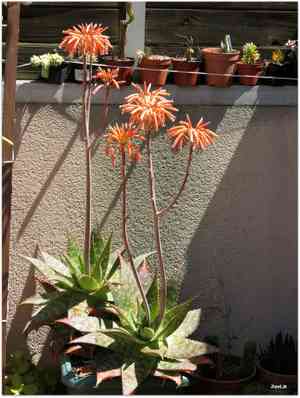
Soap aloe(Aloe maculata)

Soap aloe (Aloe maculata)

Also known as: Broadleaf aloe, Common soap aloe, Blotched aloe, Atzavara, Curalotodo

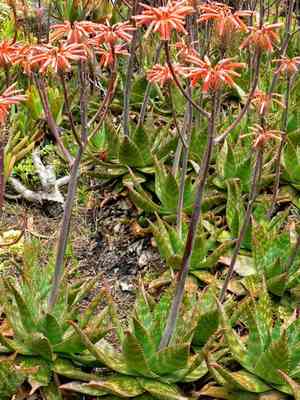
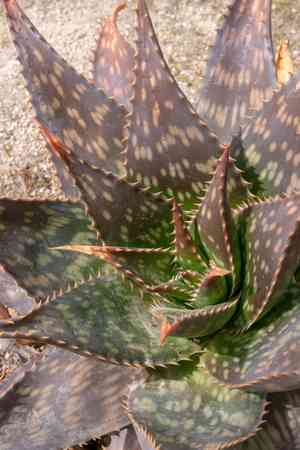
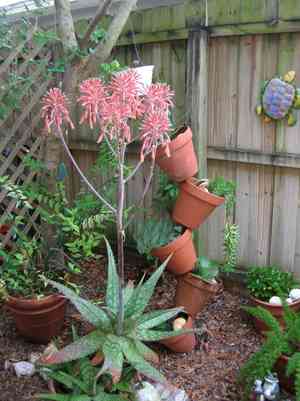
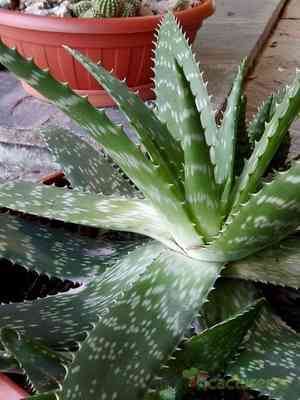
Soap aloe (Aloe maculata) is an evergreen succulent perennial that will grow to 46 cm tall and 61 cm wide. It has sword-shaped, spotted leaves that turn pinkish red in full sun and bluish green in the shade. It blooms from winter to spring with coral orange flowers that attract hummingbirds and bees. Tolerant to both drought and salt, it grows well in coastal gardens and rock gardens.

Attributes of Soap aloe

Lifespan
Perennial
Plant Type
Succulent
Plant Height
30 cm to 61 cm
Spread
60 cm
Leaf Color
Green Blue
Flower Size
8 cm to 16 cm
Flower Color
Red Orange Yellow

PlantJoy - Identify plants with a snap

Identify and diagnose plants, get toxicity alerts, and explore safety guides for all types of fungi.

Try for Free

Images of Soap aloe

Soap aloe(Aloe maculata)

Quickly Identify Soap aloe

1
Stemless growth up to 1 foot (30 cm) tall and 2 feet (60 cm) wide.
2
Dark green leaves with reddish tips, light green base, and white spotting.
3
Tooth-like brown outgrowths on leaf edges.
4
Summer blossoms in salmon-orange spherical clusters on branched stalks.
5
Thrives in full sunlight and displays drought resistance.

Scientific Classification of Soap aloe

Phylum
Vascular plants
Class
Monocotyledons
Order
Asparagales
Family
Asphodel
Genus
Aloe
Species
Soap aloe

Planting and Growing of Soap aloe

Care Difficulty
Easy
Watering Schedule
Every 2 days
Sunlight Requirements
Full sun
Sunshine Duration
6-10 hours
Ideal Temperature
65-75℉
Soil Type
Potting Mix, Peat Mix
Soil pH
6.5-7.5
Fertilizer Type
Balanced
Pruning Season
Spring, Summer
Pruning Area
Branches, Leaves
Pruning Frequency
2 times a year
Repotting Season
Spring
Pot Type
Terracotta, Plastic

water icon How to Water Soap aloe?

Aloe maculata needs just enough water to keep the soil slightly damp but not soaking. When watering, aim for about 250 ml each time, ensuring excess water drains out of the pot to prevent root rot. It's crucial to allow the top inch of soil to dry out completely before watering again.
What are the symptoms of an underwatered Soap aloe?
What should I do if my Soap aloe is not getting enough water?
What are the symptoms of an overwatered Soap aloe?
How to save an overwatered Soap aloe?

sunlight icon What Are the Sunlight Requirements for Soap aloe?

Sunlight Requirements: Full sun, Partial sun
Duration of light: 6-8 hours daily
Aloe maculata ideally needs full sun to partial sun. Proper lighting ensures healthy and strong foliage, optimizing its aesthetic and health benefits.
What is the best lighting condition for Aloe maculata?
How can you achieve the ideal lighting for Aloe maculata?
What benefits does optimal lighting offer Aloe maculata?

temperature icon What Is the Ideal Temperature Range for Soap aloe?

Ideal Temperature: 65 ~ 75℉
Aloe maculata thrives best within a temperature range of 65°F to 75°F. This range provides the optimal conditions for photosynthesis and overall growth, ensuring the plant can access the necessary warmth for nutrient transportation and cellular processes. By keeping the plant within this range, you provide a consistent environment conducive to its natural growth habits.Ensuring Aloe maculata remains within the ideal temperature range of 65°F to 75°F is crucial for its development. Such temperatures mimic the plant’s native habitat, preventing metabolic disruptions and promoting consistent growth. Fluctuations outside this range can stress the plant, potentially impacting leaf coloration and vigor.

soil icon What Soil is Best for Soap aloe?

Soil type: Sandy soil, Loam
Soil PH: 6.5 ~ 7.5
Aloe maculata thrives in well-drained soil, which prevents waterlogging and root rot. This ensures the succulent roots can breathe and access nutrients efficiently, promoting healthy growth and vibrant foliage. The plant prefers soil with moderate fertility, meaning it doesn't require high nutrient levels. This helps in maintaining balanced growth without excessive foliage, which could weaken the plant structure. Aloe maculata does well in soils with a pH of 6.5 to 7.5, slightly acidic to neutral. This pH range optimizes nutrient uptake, ensuring the plant receives essential minerals for sustained health.

fertilize icon How to Fertilize Soap aloe?

Fertilizer type: Balanced
For Aloe maculata, use a balanced 10-10-10 liquid fertilizer diluted to half strength. Apply approximately 1 tablespoon per gallon of water for each application. Ensure the soil is moist before applying to avoid root burn.

prune icon How to Prune Soap aloe?

Pruning Time: Spring, Summer, Autumn, Winter
Begin by sanitizing your pruning shears to prevent infections. Identify the dead or damaged leaves at the base of the plant, cutting them off close to the stem. Be sure to avoid cutting healthy green leaves as these are important for photosynthesis. Remove any spent flower stalks by snipping them at the base to encourage further growth. After pruning, water the plant sparingly to help mitigate shock. If your Aloe maculata has become too large or unbalanced, consider trimming some of the outermost leaves. Cut at the base to maintain the plant’s natural rosette shape. Pruning in this manner will keep the plant looking tidy and prevent it from becoming top-heavy.

propagate icon How to Propagate Soap aloe plant?

Propagate Time: Spring, Early Summer
1
For Aloe maculata, use a well-draining cactus mix or a combination of potting soil, sand, and perlite. This ensures the plant isn't sitting in water, which can cause root rot. Ensure the soil is moist but not soggy before planting seeds or cuttings.
2
Choose a healthy leaf and cut it near the base with a sharp, sterilized knife. Allow the cut end to dry and callous for several days to a week. This drying period helps prevent the cutting from rotting when planted in soil.
3
Once the cut end of the aloe has calloused over, plant the cutting in a prepared pot. Alternatively, sow seeds evenly in a seed tray. Cover lightly with soil and water gently. Keep in warm, indirect light while rooting or germination occurs.

repot icon How to Repot Soap aloe plant?

Repotting frequency: Every 1-2 years
1
Aloe maculata should be repotted when you see roots crowded or peeking out of the drainage holes. Being root-bound can hinder its growth significantly. Additionally, if the plant is too top-heavy and has begun to wobble, it might be time for a bigger pot. Keep an eye out for the soil quality too; compacted or deteriorated soil will not support healthy growth.
2
Select a pot just slightly larger than the current one with good drainage holes. A pot that's too large can lead to water retention, risking root rot. Terracotta pots are ideal as they allow for better evaporation and breathing for the roots, keeping the aloe healthy. Always ensure it has one or more drainage holes for excess water.
3
Opt for a well-draining cactus or succulent mix. Aloe maculata prefers soil that dries out relatively quickly between watering. You might add some extra perlite or coarse sand to increase drainage. This will help prevent waterlogging—one of the main causes of root rot in this succulent.

PlantJoy - Identify plants with a snap

Find the best spots for them to optimize their health, simply using your phone.

Try for Free

Toxicity of Soap aloe

Is Soap aloe toxic to cat?

Soap aloe presents a slight toxicity risk to cats. Ingesting substantial quantities, especially the sap or juice, can lead to poisoning in felines. When a cat comes into contact with soap aloe, it might exhibit various physical discomforts or indicators of illness. Pet owners need to be watchful and prevent their cats from consuming large amounts of soap aloe to avert negative consequences. If there is any suspicion of soap aloe poisoning, it is essential to obtain prompt veterinary assistance to protect the cat's health and welfare.

Is Soap aloe toxic to dog?

Soap aloe presents a minor toxicity risk to dogs. Although the plant is not classified as highly toxic, consuming it in significant amounts can result in poisoning. The main issue originates from the sap or juice of soap aloe, which contains toxic compounds that can lead to adverse reactions in dogs. After ingesting parts of soap aloe, dogs may show symptoms such as gastrointestinal distress, vomiting, and diarrhea. It is essential for dog owners to keep a close watch on their pets and prevent them from consuming this plant. Should a dog ingest soap aloe and show indications of poisoning, it is crucial to seek prompt veterinary attention to ensure appropriate treatment and management of symptoms.

Identify toxic plants for your safety

Learn which plants are harmful to you and your pets, and make informed choices for a safer home!

Try for Free
WARNING
The judgment on toxicity and danger is for reference only. We DO NOT GUARANTEE any accuracy of such judgment. Therefore, you SHALL NOT rely on such judgment. It is IMPORTANT TO SEEK PROFESSIONAL ADVICE in advance when necessary.