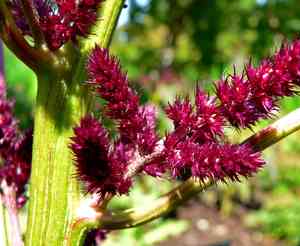
Prince's feather (Amaranthus hypochondriacus)
Also known as: Amaranth, Grain Amaranth, Red cockscomb
**Amaranthus hypochondriacus**, commonly known as **prince's feather**, flourishes in full sun and well-drained soil. Cultivated in Central America for around 6000 years, this plant is notable for producing a red food dye. Additionally, it serves an ornamental role, enhancing the aesthetic appeal of patios and walkways with its vibrant colors.
In This Article
Attributes of Prince's feather
Lifespan
Annual, Perennial
Plant Type
Herb
Plant Height
20 cm to 80 cm
Spread
30 cm
Leaf Color
Green
Flower Size
1 cm to 2.5 cm
Flower Color
Red Green Purple
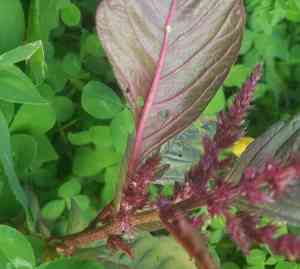
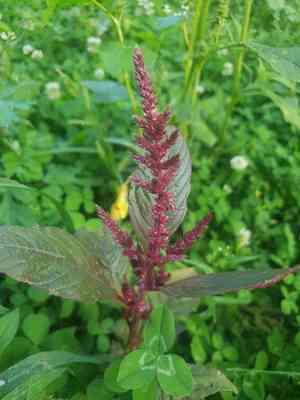
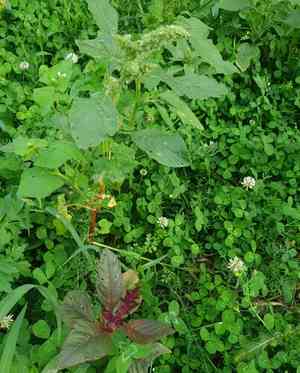
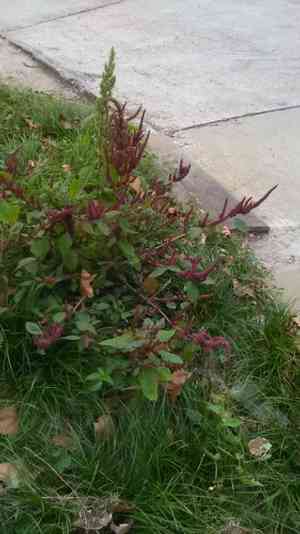
Images of Prince's feather
Quickly Identify Prince's feather
1
Feathery deep red inflorescences reaching 2 feet (60 cm) tall.
2
Small, shiny seeds with subglobose to lenticular shape, displaying various colors.
3
Rhombic-ovate to broadly lanceolate leaves, 1.5-4 inches (4-10 cm) long.
4
Erect stem, green or reddish purple, between 3-6 feet (90-180 cm) tall.
5
Distinctive monoecious plant with male and female flowers reliant on wind for pollination.
Scientific Classification of Prince's feather
Phylum
Vascular plants
Class
Dicotyledons
Order
Caryophyllales
Family
Amaranth
Genus
Amaranths
Species
Prince's feather
Planting and Growing of Prince's feather
Care Difficulty
Easy
Watering Schedule
Every 8 days
Sunlight Requirements
Full sun
Sunshine Duration
6-10 hours
Ideal Temperature
70-85℉
Soil Type
Potting Mix, Peat Mix
Soil pH
6.5-7.5
Fertilizer Type
Balanced
Pruning Season
Spring, Summer
Pruning Area
Branches, Leaves
Pruning Frequency
2 times a year
Repotting Season
Spring
Pot Type
Plastic, Ceramic
 How to Water Prince's feather?
Amaranthus hypochondriacus requires careful watering. It prefers moist soil without being waterlogged. The soil should be wet deeply but not to the point of sogginess. Approximately 250 milliliters at a time is suitable, ensuring the water penetrates an inch deep.
What are the symptoms of an underwatered Prince's feather?
›
What should I do if my Prince's feather is not getting enough water?
›
What are the symptoms of an overwatered Prince's feather?
›
How to save an overwatered Prince's feather?
›
 What Are the Sunlight Requirements for Prince's feather?
Amaranthus hypochondriacus thrives in full to partial sun exposure, around 6 to 8 hours of sun ensuring optimal growth and colorful foliage. Proper light enhances photosynthesis, improving energy production.
More About Sunlight Requirements Techniques→
What is the best lighting condition for Amaranthus hypochondriacus?
›
How to achieve ideal lighting for Amaranthus hypochondriacus?
›
What benefits are attained from ideal lighting for Amaranthus hypochondriacus?
›
 What Is the Ideal Temperature Range for Prince's feather?
Amaranthus hypochondriacus thrives best in temperatures ranging between 70°F and 85°F. In this range, the plant can maximize its metabolic processes including photosynthesis, leading to robust growth and vibrant foliage.
 What Soil is Best for Prince's feather?
Amaranthus hypochondriacus thrives in well-drained soil to prevent root rot. Ensuring good drainage protects the plant from waterlogged conditions, which can suffocate roots and hinder nutrient uptake. This plant benefits from nutrient-rich soil, which supplies essential elements for strong growth. Providing ample organic matter can enhance soil fertility, leading to robust plant health and vigorous flowering. While the soil should be well-draining, it also needs to retain some moisture to support the plant's growth. Maintaining a balance helps in sustaining its growth rate and protects against drought stress.
 How to Fertilize Prince's feather?
Amaranthus hypochondriacus thrives with modest fertilization. When using liquid fertilizer, dilute the solution to half the recommended strength to avoid burning the roots. Typically, 1 tablespoon of liquid fertilizer per gallon is sufficient, applied directly to the soil to avoid foliage burn.
 How to Prune Prince's feather?
When pruning, always pay attention to the overall health of the plant. Check for any signs of pests or diseases, as early intervention can prevent larger problems. Avoid pruning during adverse weather conditions, such as extreme heat or cold, to reduce stress on the plant. Proper observation will help identify the best parts to prune, ensuring the plant remains lush and vibrant. Amaranthus hypochondriacus tends to grow vigorously if given ideal conditions, so be aware of its growth patterns for effective pruning. Concentrate on maintaining a balanced shape to prevent any sections from becoming overly dense, which can impede airflow and sunlight. By understanding its growth, you can tailor your pruning approach to enhance both its beauty and health.
More About Pruning Techniques→
 How to Propagate Prince's feather plant?
1
Fill a seed tray with a well-draining potting mix. Gently firm the soil to create an even surface, ensuring good contact between the seeds and the soil. This will help facilitate consistent moisture and optimal germination conditions.
2
Scatter the Amaranthus hypochondriacus seeds evenly over the soil surface. Lightly press them in, but do not cover them completely, as light aids in their germination. Ensuring even distribution will help reduce overcrowding and improve air circulation.
3
Keep the soil consistently moist but not waterlogged. Use a fine mist spray to water the seeds gently. Maintaining the right level of moisture prevents the seeds from drying out and supports steady, healthy growth.
 How to Repot Prince's feather plant?
1
Look for signs such as roots growing through drainage holes or a significant reduction in growth, which indicate the plant is root-bound. Repotting during active growth phases in spring or summer is ideal as it allows the plant to recover more quickly.
2
Select a pot that's only a couple of inches larger in diameter than the current one. This prevents excessive soil moisture and gives roots enough space to expand, promoting healthy growth. A pot with drainage holes is essential to avoid waterlogging.
3
Use a loamy, well-draining soil mix to prevent root rot and ensure good aeration. Adding perlite or sand can improve drainage and help maintain the plant's stability.
Toxicity
consumption of large quantities
WARNING
The judgment on toxicity and danger is for reference only. We DO NOT GUARANTEE any accuracy of such judgment. Therefore, you SHALL NOT rely on such judgment. It is IMPORTANT TO SEEK PROFESSIONAL ADVICE in advance when necessary.
Learn More About Prince's feather Diseases
Anthracnose
Bacterial Leaf Spot
Bacterial Soft Rot
Bacterial Wilt
Cyst Nematode
Damping-off
Downy Mildew
Drought Stress
Fusarium Wilt
Gray Mold
Leaf Spot
Mosaic
Nutrient Deficiency
Nutrient Toxicity
Powdery Mildew
Root Rot
Root-knot Nematode
Rusts
Sooty Mold
Spider Mites
Temperature Stress
Thrips Damage
White Mold



