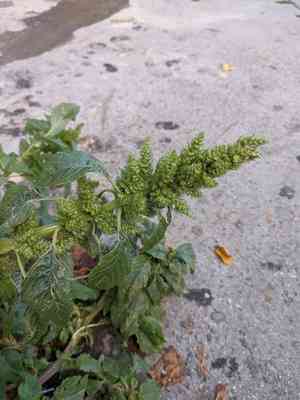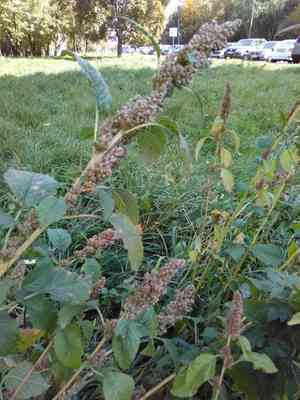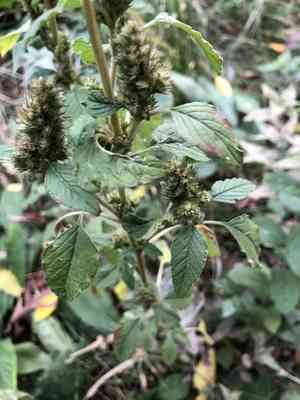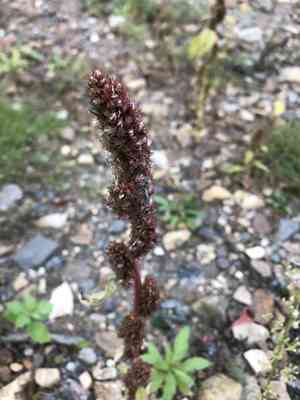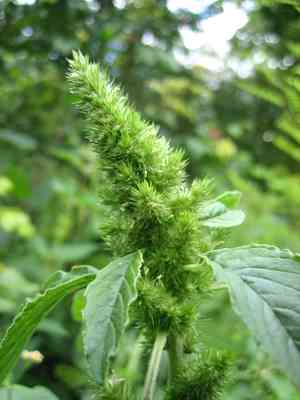
Redroot amaranth(Amaranthus retroflexus)

Redroot amaranth (Amaranthus retroflexus)

Also known as: Redroot pigweed, Common amaranth

Redroot amaranth (Amaranthus retroflexus) is often seen as a weed but has edible parts that can be quite nutritious:

1. **Leaves:** Young leaves are best for consumption. You can enjoy them raw in salads or cook them similarly to spinach. For older leaves, cooking helps reduce bitterness and makes them more palatable.
2. **Stems:** The tender stems can be incorporated into dishes like stir-fries or soups for added texture and nutrition.
3. **Seeds:** These tiny seeds can be toasted and used as a grain alternative or ground into flour for baking.

**Preparation Methods:**
- **Leaves and stems:** Thoroughly wash, then steam, sauté, or boil to suit your recipe.
- **Seeds:** Rinse and dry roast them in a pan until they start to pop, or cook like quinoa for a versatile ingredient.

Avoid consuming the stalks, roots, and older leaves as they may contain harmful substances. Ensure to correctly identify the plant and confirm it is pesticide-free before consumption.

Attributes of Redroot amaranth

Lifespan
Annual
Plant Type
Herb
Plant Height
15 cm to 1 m
Spread
50 cm to 1 m
Leaf Color
Green
Flower Size
2 cm to 4 cm
Flower Color
Green Yellow Red Orange

PlantJoy - Identify plants with a snap

Identify and diagnose plants, get toxicity alerts, and explore safety guides for all types of fungi.

Try for Free

Images of Redroot amaranth

Redroot amaranth(Amaranthus retroflexus)

Quickly Identify Redroot amaranth

1
Robust growth reaching 1-6.5 feet (30 cm to 2 meters) height
2
Dense clusters of small, inconspicuous green flowers
3
Bladder-like fruit housing glossy, black to reddish-brown seeds
4
Variable leaf sizes with reddish undersides and hairs
5
Robust, hairy stem with a reddish base, up to 1 inch (2.5 cm) thick

Scientific Classification of Redroot amaranth

Phylum
Vascular plants
Class
Dicotyledons
Order
Pinks, cacti, and allies
Family
Amaranth
Genus
Amaranths
Species
Redroot amaranth

Planting and Growing of Redroot amaranth

Care Difficulty
Easy
Watering Schedule
Every 4 days
Sunlight Requirements
Full sun
Sunshine Duration
6-10 hours
Ideal Temperature
66-86℉
Soil Type
Potting Mix, Peat Mix
Soil pH
6.5-7.5
Fertilizer Type
Balanced
Pruning Season
Spring, Summer
Pruning Area
Branches, Leaves
Pruning Frequency
2 times a year
Repotting Season
Spring
Pot Type
Plastic, Ceramic

water icon How to Water Redroot amaranth?

Amaranthus retroflexus thrives with a consistent watering routine. It requires roughly 300 ml of water per session or until the top 2-3 inches of soil feel adequately moist but not waterlogged. Ensuring the soil is allowed to dry slightly between waterings is key, as it improves root aeration and health.
What are the symptoms of an underwatered Redroot amaranth?
What should I do if my Redroot amaranth is not getting enough water?
What are the symptoms of an overwatered Redroot amaranth?
How to save an overwatered Redroot amaranth?

sunlight icon What Are the Sunlight Requirements for Redroot amaranth?

Sunlight Requirements: Full sun
Duration of light: 6+ hours daily
Amaranthus retroflexus benefits most from full sun exposure, achieving its best growth and health. Full sunlight helps in maximizing photosynthesis and overall plant resilience.
What is the optimal lighting?
How to achieve ideal lighting?
Benefits of ideal lighting?

temperature icon What Is the Ideal Temperature Range for Redroot amaranth?

Ideal Temperature: 66 ~ 86℉
For optimal growth of Amaranthus retroflexus, the plant thrives best in temperatures ranging from 66°F to 86°F. This range supports healthy photosynthesis, nutrient uptake, and overall plant vigor. Maintaining these temperatures ensures that Amaranthus retroflexus can carry out its biological processes effectively, leading to robust growth and flowering.

soil icon What Soil is Best for Redroot amaranth?

Soil type: Sandy soil, Loam, Sandy loam
Soil PH: 6.5 ~ 7.5
Amaranthus retroflexus thrives in soils that provide excellent drainage. Well-draining soils prevent waterlogging, which could lead to root rot. This is particularly beneficial as it ensures healthy root development and robust plant growth. Rich in organic matter, the soil should supply essential nutrients like nitrogen, phosphorus, and potassium. These nutrients play a vital role in the plant's metabolic processes and vibrant foliage coloration. This plant requires soil that maintains moisture without becoming soggy. Consistent soil moisture supports continuous nutrient uptake, optimizing growth cycles and preventing drought-induced stress.

fertilize icon How to Fertilize Redroot amaranth?

Fertilizer type: Balanced
For Amaranthus retroflexus, it's important to maintain a balanced approach. Utilize a liquid fertilizer diluted to half its recommended strength, applying around 100 ml per plant. Slow-release fertilizers should be used sparingly—about 15 grams per plant each time.

prune icon How to Prune Redroot amaranth?

Pruning Time: Spring, Summer, Autumn
Use sharp, clean pruning shears to ensure smooth cuts and prevent disease spread. Wear gloves to protect your hands from potential irritants and have a container ready to collect removed plant material. Focus on cutting back old, woody, or leggy stems close to the base to promote new, healthy growth. Aim to shape the plant by encouraging branches to grow outward rather than upwards, enhancing its bushiness. Amaranthus retroflexus can be invasive due to its prolific seed production. Trim away developing seed heads consistently to prevent unwanted self-seeding and to focus the plant's energy on leaf and stem development.

propagate icon How to Propagate Redroot amaranth plant?

Propagate Time: Spring, Late spring, Early summer
1
Fill the seed tray with potting mix and evenly sprinkle the Amaranthus retroflexus seeds on the surface. Cover the seeds lightly with a thin layer of soil. Water gently to moisten the soil without displacing the seeds.
2
Place the seed tray in a location with consistent warmth, around 70-75°F (21-24°C). You may cover the tray with a clear plastic lid to maintain humidity, crucial for effective seed germination.
3
When seedlings develop two to three true leaves, they are ready for transplantation. Gently move them to individual pots or a prepared garden bed, maintaining consistent moisture as they establish.

repot icon How to Repot Redroot amaranth plant?

Repotting frequency: Every 1-2 years
1
Amaranthus retroflexus exhibits signs that indicate it's time for repotting. Look for roots growing out of the drainage holes or the plant becoming top-heavy. This usually occurs when the plant outgrows its current pot. Spring and summer are ideal seasons for repotting as the plant is in its active growth phase, making it easier to adapt to a new home.
2
Select a pot with adequate drainage, as Amaranthus retroflexus thrives in conditions where water doesn't stagnate. Opt for a pot that's only slightly larger than the current one. This helps prevent overwatering and allows the roots to expand gradually. A pot made of a breathable material can also help maintain air circulation around the roots.
3
For Amaranthus retroflexus, a well-draining potting mix is essential. Ensure the soil has a good balance of organic materials and aeration, which supports root health and growth. Incorporating a small amount of sand or perlite can help improve drainage and mimic the plant's native environment, preventing root rot.

PlantJoy - Identify plants with a snap

Find the best spots for them to optimize their health, simply using your phone.

Try for Free

Toxicity of Redroot amaranth

Is Redroot amaranth toxic to cat?

Redroot amaranth poses a risk to cats due to its toxic nature. Cats usually come into contact with this plant inadvertently by consuming its leaves or stems, both of which harbor poisonous compounds. If a cat ingests any part of redroot amaranth, it may experience discomfort, which could be evident through changes in behavior or signs of illness. Given the considerable toxicity, it is essential for cat owners to keep their pets away from redroot amaranth and to seek prompt veterinary assistance if a cat is suspected of having ingested this plant, to safeguard their health and wellbeing.

Is Redroot amaranth toxic to dog?

Redroot amaranth is known to be toxic to dogs. Canines may inadvertently consume various parts of the plant, including its leaves and stems, which can result in poisoning. If a dog happens to eat redroot amaranth, they could show symptoms such as gastrointestinal distress, lethargy, or more severe clinical signs depending on the quantity ingested. It is crucial for dog owners to keep a close eye on their pets and restrict their access to this plant. In cases where a dog has eaten redroot amaranth, seeking immediate veterinary assistance is vital to ensure appropriate treatment and management of any possible toxicity.

Identify toxic plants for your safety

Learn which plants are harmful to you and your pets, and make informed choices for a safer home!

Try for Free
WARNING
The judgment on toxicity and danger is for reference only. We DO NOT GUARANTEE any accuracy of such judgment. Therefore, you SHALL NOT rely on such judgment. It is IMPORTANT TO SEEK PROFESSIONAL ADVICE in advance when necessary.