Belladonna lily(Amaryllis belladonna)

Belladonna lily (Amaryllis belladonna)

Also known as: Naked ladies, March lily

The belladonna lily is also commonly called the "naked lady flower." This name comes from its unique appearance, where the flowers bloom on long, bare stems with no leaves, giving the impression of being "naked." The plant is known for its unpredictable growing habits, often flourishing seemingly by chance.

Attributes of Belladonna lily

Lifespan
Perennial
Plant Type
Herb
Plant Height
60 cm to 1.5 m
Spread
60 cm to 90 cm
Leaf Color
Green
Flower Size
8 cm
Flower Color
Pink White Red

PlantJoy - Identify plants with a snap

Identify and diagnose plants, get toxicity alerts, and explore safety guides for all types of fungi.

Try for Free

Images of Belladonna lily

Belladonna lily(Amaryllis belladonna)

Quickly Identify Belladonna lily

1
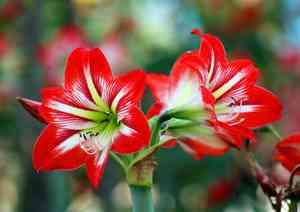
Tall stalks reaching 2-3 feet (60-90 cm) with 'naked' stems during bloom time.
2
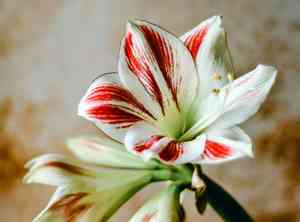
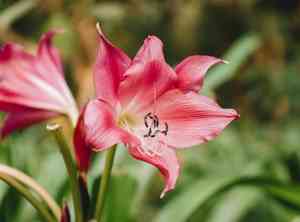
Clusters of rose, red, and pink trumpet-shaped flowers emitting a delicate fragrance.
3
Strap-shaped leaves, dull green, 12-20 inches (30-50 cm) long, appearing in fall/winter.
4
Leafless, purplish/red or green stems growing directly from the soil, up to 2 feet (60 cm) tall.
5
Smooth, firm stems don't branch, featuring a striking color contrast against the ground.

Scientific Classification of Belladonna lily

Phylum
Vascular plants
Class
Monocotyledons
Order
Asparagales
Family
Amaryllis
Genus
Amaryllis
Species
Belladonna lily

Planting and Growing of Belladonna lily

Care Difficulty
Moderate
Watering Schedule
Every 2 days
Sunlight Requirements
Full sun
Sunshine Duration
4-8 hours
Ideal Temperature
60-75℉
Soil Type
Potting Mix, Peat Mix
Soil pH
6-7.5
Fertilizer Type
Balanced
Pruning Season
Spring, Summer
Pruning Area
Leaves, Branches
Pruning Frequency
2 times a year
Repotting Season
Spring
Pot Type
Plastic, Ceramic

water icon How to Water Belladonna lily?

For Amaryllis belladonna, watering should be sufficient to moisten the soil deeply, permeating around 250ml per watering. Always ensure the soil drains well, allowing excess water to escape, preventing root rot. The principle is to maintain balance because both under-watering and over-watering can harm the plant.
What are the symptoms of an underwatered Belladonna lily?
What should I do if my Belladonna lily is not getting enough water?
What are the symptoms of an overwatered Belladonna lily?
How to save an overwatered Belladonna lily?

sunlight icon What Are the Sunlight Requirements for Belladonna lily?

Sunlight Requirements: Full sun, Partial sun
Duration of light: 6 to 8 hours
Amaryllis belladonna prefers full to partial sun, benefiting from robust flowering and vigorous growth. Sufficient light fosters photosynthesis, enhancing energy and flower quality.
How much sunlight does Amaryllis belladonna need?
What solutions can ensure ideal lighting for Amaryllis belladonna?
What benefits does ideal lighting provide Amaryllis belladonna?

temperature icon What Is the Ideal Temperature Range for Belladonna lily?

Ideal Temperature: 60 ~ 75℉
The ideal temperature range for Amaryllis belladonna is between 60°F and 75°F. At these temperatures, the plant can thrive and produce vibrant blooms. This range ensures that the plant's metabolic processes occur optimally, promoting healthy growth and flower development.

soil icon What Soil is Best for Belladonna lily?

Soil type: Loam, Sandy loam
Soil PH: 6 ~ 7.5
Amaryllis belladonna thrives in soil that drains well, preventing waterlogging that can lead to bulb rot. Well-drained soil ensures that water moves away from the roots promptly, promoting healthy growth. This plant prefers soil rich in organic matter that provides essential nutrients for growth. Nutrient-rich soil contributes to vibrant blooms and robust health of the plant. Amaryllis belladonna grows best in soils with a pH range of 6.0 to 7.5. This pH range ensures optimal nutrient uptake and promotes healthy development.

fertilize icon How to Fertilize Belladonna lily?

Fertilizer type: Balanced
For Amaryllis belladonna, the fertilizer should be applied at approximately one tablespoon per plant for granular fertilizers. If using a liquid option, it should be diluted to half the recommended strength to avoid burning the roots.

prune icon How to Prune Belladonna lily?

Pruning Time: Spring, Summer
Begin pruning Amaryllis belladonna in early spring after the flowers have faded. First, use clean, sharp garden shears to remove spent flower stalks at their base, making a clean cut to avoid damaging the bulb. Then, trim any yellowing or dead foliage at the soil level to clear space for new growth. Ensure not to cut the green leaves as they are vital for photosynthesis, which nourishes the bulb for future blooms.

propagate icon How to Propagate Belladonna lily plant?

Propagate Time: Late summer, Early autumn
1
Collect seeds from mature Amaryllis belladonna plants once the flowering has finished and seed pods have dried. Ensure seeds are fully matured to increase germination rates.
2
Prepare well-draining potting mix enriched with organic matter. This provides the necessary nutrients and prevents waterlogging that can cause root rot.
3
Plant seeds just below the surface or divide bulbs and plant bulb segments in shallow holes. Ensure they are spaced adequately for growth.

repot icon How to Repot Belladonna lily plant?

Repotting frequency: Every 2-3 years
1
Amaryllis belladonna signals the need for repotting when the roots begin to overcrowd the pot, often lifting the bulb above the soil line. Furthermore, when growth appears stunted despite regular feeding and watering, it's an indication that a fresh start in a new pot is needed. Usually, late spring to early summer is ideal, allowing the plant ample time to settle into its new environment before its dormant season.
2
Select a pot that's just slightly larger than the bulb—a tight fit encourages strong root development. Ensure it has drainage holes to prevent waterlogging, as this plant despises wet feet. Terracotta pots are recommended; they allow excess moisture to evaporate, which keeps the roots healthy.
3
A well-draining potting mix with added perlite or sand is crucial for Amaryllis belladonna. This plant flourishes in a medium that retains necessary moisture yet allows for excellent airflow around the roots, preventing root rot. The blend should feel slightly gritty but not overly compact.

PlantJoy - Identify plants with a snap

Find the best spots for them to optimize their health, simply using your phone.

Try for Free

Toxicity of Belladonna lily

Is Belladonna lily toxic to humans?

The belladonna lily, when touched or ingested, can provoke toxic responses in humans. Typically, these reactions are mild and stem from the toxic alkaloids present in the sap and bulb of the plant. In humans, symptoms can manifest as diarrhea and vomiting resulting from ingestion or dermatitis resulting from skin exposure. While belladonna lily may serve as a houseplant or seasonal decorative plant, its accessibility may pose a risk to children, who are often more susceptible to the harmful effects. It is advisable to wear gloves during the handling or transplanting of this plant.

Is Belladonna lily toxic to cat?

The Belladonna lily poses a significant toxic threat to cats. Any part of the plant—be it leaves, roots, flowers, seeds, or stems—can be harmful if ingested. Cats may unknowingly consume these parts, leading to potential poisoning. Following ingestion, affected cats may exhibit a range of symptoms indicating physical distress or illness as a response to the toxin. Should you suspect that your cat has consumed belladonna lily, it is crucial to quickly seek veterinary assistance to safeguard their health.

Is Belladonna lily toxic to dog?

The belladonna lily is recognized as a toxic plant for dogs. When dogs consume any portion of the belladonna lily, which can include the leaves, roots, flowers, seeds, or stems, they are at risk of poisoning. Such ingestion typically happens accidentally. After consuming parts of the belladonna lily, dogs may show a range of symptoms that indicate poisoning. These symptoms can vary in intensity from mild to severe and may include vomiting, diarrhea, lethargy, abdominal discomfort, excessive salivation, and more alarming signs such as tremors or seizures. It is essential for dog owners to keep a watchful eye on their pets and prevent them from accessing belladonna lily. If a dog does ingest any part of this plant, seeking immediate veterinary assistance is vital to secure the best possible recovery for the pet.

Identify toxic plants for your safety

Learn which plants are harmful to you and your pets, and make informed choices for a safer home!

Try for Free
WARNING
The judgment on toxicity and danger is for reference only. We DO NOT GUARANTEE any accuracy of such judgment. Therefore, you SHALL NOT rely on such judgment. It is IMPORTANT TO SEEK PROFESSIONAL ADVICE in advance when necessary.