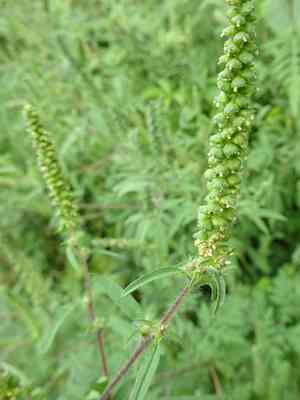
Annual ragweed(Ambrosia artemisiifolia)

Annual ragweed (Ambrosia artemisiifolia)

Also known as: Common ragweed, Tassel weed

Annual ragweed (Ambrosia artemisiifolia) is a highly troublesome weed globally. This annual herb releases highly allergenic pollen and spreads aggressively. Its competitive nature makes it particularly unwelcome in cultivated fields, as it can significantly hinder crop growth and productivity.

Attributes of Annual ragweed

Lifespan
Annual, Biennial
Plant Type
Herb
Plant Height
20 cm to 1.5 m
Spread
90 cm to 1.2 m
Leaf Color
Green
Flower Size
2.5 cm
Flower Color
Yellow Green Brown

PlantJoy - Identify plants with a snap

Identify and diagnose plants, get toxicity alerts, and explore safety guides for all types of fungi.

Try for Free

Images of Annual ragweed

Annual ragweed(Ambrosia artemisiifolia)

Quickly Identify Annual ragweed

1
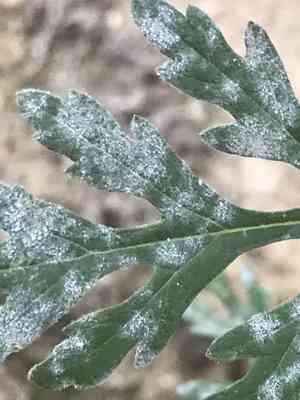
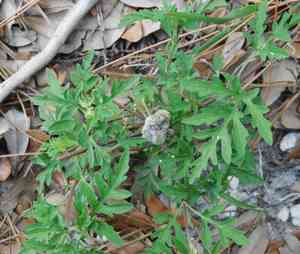
Deeply lobed, fern-like leaves create fine-textured appearance.
2
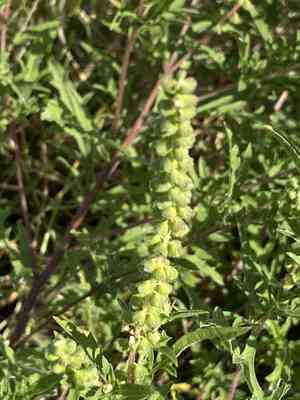
Male flowers in elongated clusters release abundant pollen.
3
Woody achene fruits with crown-like 4-7 spine projections.
4
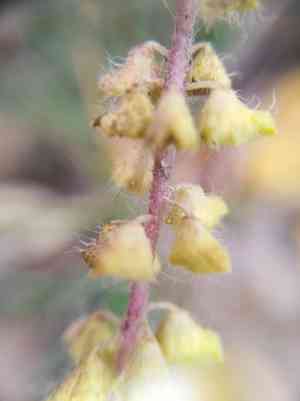
Pinkish-red stem with grooves, fine hairs, and slender form.
5
Green leaves up to 6 inches (15 cm) long with deeply lobed base.

Scientific Classification of Annual ragweed

Phylum
Vascular plants
Class
Dicotyledons
Order
Asterales
Family
Daisy
Genus
ragweed
Species
Annual ragweed

Planting and Growing of Annual ragweed

Care Difficulty
Easy
Watering Schedule
Every 2 days
Sunlight Requirements
Full sun
Sunshine Duration
4-8 hours
Ideal Temperature
60-75℉
Soil Type
Potting Mix, Peat Mix
Soil pH
6.5-7.5
Fertilizer Type
Balanced
Pruning Season
Spring, Summer
Pruning Area
Branches, Leaves
Pruning Frequency
2 times a year
Repotting Season
Spring
Pot Type
Plastic, Ceramic

water icon How to Water Annual ragweed?

For Ambrosia artemisiifolia, it's essential to keep the soil slightly moist but never soggy. Typically, watering about 200 milliliters per session ensures that moisture reaches the root zone without oversaturating the soil. This amount should suffice to keep the plant hydrated while preventing root rot.
What are the symptoms of an underwatered Annual ragweed?
What should I do if my Annual ragweed is not getting enough water?
What are the symptoms of an overwatered Annual ragweed?
How to save an overwatered Annual ragweed?

sunlight icon What Are the Sunlight Requirements for Annual ragweed?

Sunlight Requirements: Full sun, Partial sun
Duration of light: 6 to 8 hours
Ambrosia artemisiifolia favors full sun to partial sun, enhancing its photosynthesis. Ideal light exposure ensures stronger growth and heightens its resilience to environmental stresses.
Sun Exposure
Partial Sun Benefits
Light Requirement Solutions

temperature icon What Is the Ideal Temperature Range for Annual ragweed?

Ideal Temperature: 60 ~ 75℉
The ideal temperature range for growing Ambrosia artemisiifolia is between 60°F and 75°F. It is within this range that the plant can optimize its physiological processes, such as photosynthesis and nutrient uptake. Maintaining temperature in this range ensures healthy growth and minimizes stress on the plant.

soil icon What Soil is Best for Annual ragweed?

Soil type: Loam, Sandy loam, Sandy Soil
Soil PH: 6.5 ~ 7.5
Ambrosia artemisiifolia thrives in well-drained soil that prevents waterlogging. This is crucial as it ensures that the roots get adequate oxygen, preventing root rot and promoting healthier plant growth. The plant can adapt to moderate nutrient levels, meaning it doesn't require soils rich in organic material. This quality allows it to survive in less fertile areas, reducing the need for fertilizers. The soil pH should be neutral to slightly alkaline, which supports optimal nutrient uptake and stimulates vigorous growth for Ambrosia artemisiifolia.

fertilize icon How to Fertilize Annual ragweed?

Fertilizer type: Balanced
For Ambrosia artemisiifolia, a balanced approach to fertilization is optimal. The amount should be moderate, as excessive fertility can promote overgrowth and diminish its ability to withstand pests and diseases. Use approximately 1-2 tablespoons of liquid fertilizer per gallon of water applied evenly across the growing area.

prune icon How to Prune Annual ragweed?

Pruning Time: Spring, Summer, Autumn
Start by identifying the tallest or most unruly stems. Focus on cutting back about one-third of the plant's height, which will help manage its size and density while promoting healthier growth. After pruning, collect all plant debris and discard it properly, ideally in a green waste bin or by burning, where allowed, to prevent seeds from spreading and new plants from growing elsewhere.

propagate icon How to Propagate Annual ragweed plant?

Propagate Time: Late summer, Early autumn
1
Fill seed trays with a well-draining potting mix. Moisten it slightly to create the right environment for seed germination. Ensure the mix is firm but not compacted, to allow seeds room to develop.
2
Sow Ambrosia artemisiifolia seeds on the surface of the potting mix. Cover them lightly with a thin layer of additional mix. Light exposure is critical, so ensure the seeds are not buried too deeply.
3
Place trays in a warm location with indirect sunlight, maintaining a temperature between 18-24°C (64-75°F). Consistent moisture is essential, so water gently without disturbing the seeds.

repot icon How to Repot Annual ragweed plant?

Repotting frequency: Annually or biannually
1
Look for signs such as roots growing out of drainage holes, soil that dries out too quickly, or a plant that appears top-heavy. These signals indicate it's time to repot, ideally during the Spring or Autumn when the plant is not in its most active growth phase.
2
Select a pot that is 2-3 inches larger in diameter than the current one. Ensure it has good drainage holes to prevent waterlogging. Using a pot made from breathable materials like terracotta can help improve air circulation and prevent root rot.
3
Opt for a well-draining potting mix that retains some moisture without becoming waterlogged. Ideally, the mix should include components like perlite or sand to enhance drainage, which is crucial for preventing root rot and promoting healthy root development.

PlantJoy - Identify plants with a snap

Find the best spots for them to optimize their health, simply using your phone.

Try for Free

Toxicity of Annual ragweed

Is Annual ragweed toxic to cat?

Annual ragweed is recognized as hazardous to felines. Cats may unknowingly consume this plant, with its sap, juice, and pollen being especially detrimental. Encountering annual ragweed can result in signs of bodily distress, suggesting that immediate veterinary attention is crucial. If poisoning is suspected, it is vital to obtain treatment at a veterinary facility without delay to safeguard the health of the impacted cat.

Is Annual ragweed toxic to dog?

Annual ragweed is recognized as toxic for dogs. Canines can suffer poisoning from this plant if they inadvertently consume it. The main toxic components of annual ragweed include its sap, juice, and pollen, which can create hazards when ingested or upon contact with the dog's skin or mucous membranes. Following exposure to annual ragweed, dogs may display symptoms such as skin irritation, gastrointestinal distress, or respiratory complications. It is essential for dog owners to remain alert and keep their pets away from areas where annual ragweed flourishes. If a dog does ingest or come into contact with annual ragweed, it is crucial to seek prompt veterinary assistance to ensure the best possible outcome for the affected animal.

Identify toxic plants for your safety

Learn which plants are harmful to you and your pets, and make informed choices for a safer home!

Try for Free
WARNING
The judgment on toxicity and danger is for reference only. We DO NOT GUARANTEE any accuracy of such judgment. Therefore, you SHALL NOT rely on such judgment. It is IMPORTANT TO SEEK PROFESSIONAL ADVICE in advance when necessary.
More About Toxic Techniques