
Western serviceberry (Amelanchier alnifolia)
Also known as: Juneberry, Pacific serviceberry, Western shadbush, Chuckley pear, Pigeon berry
The western serviceberry (Amelanchier alnifolia) is a versatile shrub known for its aesthetic appeal and tasty fruit. In spring, it showcases clusters of delicate white blossoms. As the season progresses, green foliage emerges, which transforms into striking yellow to red hues in autumn. By late summer, it yields small, sweet, dark purple berries that are enjoyed by both people and wildlife. In winter, its bare branches and smooth, grayish bark provide a subtle yet attractive landscape feature.
Attributes of Western serviceberry
Images of Western serviceberry


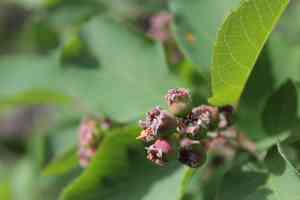
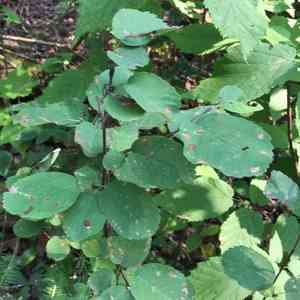
Quickly Identify Western serviceberry
Scientific Classification of Western serviceberry
Planting and Growing of Western serviceberry
 How to Water Western serviceberry?
 What Are the Sunlight Requirements for Western serviceberry?
 What Is the Ideal Temperature Range for Western serviceberry?
 What Soil is Best for Western serviceberry?
 How to Fertilize Western serviceberry?
 How to Prune Western serviceberry?
 How to Propagate Western serviceberry plant?
 How to Repot Western serviceberry plant?
Toxicity of Western serviceberry
Is Western serviceberry toxic to cat?
The western serviceberry presents a moderate level of toxicity risk for cats. Ingesting portions of the plant, including its stems, leaves, or unripe fruit, may lead to signs of poisoning in felines. Affected cats may exhibit physical discomfort that signifies illness. Cat owners must take precautions to ensure their pets do not consume any parts of the western serviceberry. Should there be any suspicion of poisoning, seeking prompt veterinary attention is vital.
Is Western serviceberry toxic to dog?
Western serviceberry presents a moderate level of toxicity risk to dogs. Poisoning generally occurs when a dog consumes portions of the plant, particularly the stems, foliage, or unripe berries. Following the ingestion of these harmful components, dogs may display symptoms such as gastrointestinal distress, fatigue, or more serious indications based on the quantity ingested. It is vital for dog owners to vigilantly supervise their pets and restrict their access to western serviceberry, particularly during its growing season when fresh growth is most appealing. Should a dog ingest part of the western serviceberry, seeking immediate veterinary assistance is crucial for ensuring timely and appropriate treatment.



