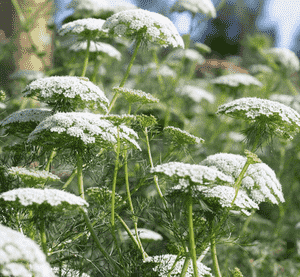
Large bullwort (Ammi majus)
Also known as: False bishop's weed, Laceflower, False queen anne's lace
Queen Anne's Lace, part of the carrot family, is a hermaphroditic plant known for its delicate, white, lace-like flower clusters that are popular in floral arrangements. Dating back to around 200 BC in ancient Egypt, it was utilized for its therapeutic properties in ointments. The plant's flowers are rich in nectar and pollen, making them highly attractive to bees and other pollinators. However, it is toxic to cats, dogs, and horses.
Attributes of Large bullwort
Images of Large bullwort
Quickly Identify Large bullwort
Scientific Classification of Large bullwort
Planting and Growing of Large bullwort
 How to Water Large bullwort?
 What Are the Sunlight Requirements for Large bullwort?
 What Is the Ideal Temperature Range for Large bullwort?
 What Soil is Best for Large bullwort?
 How to Fertilize Large bullwort?
 How to Prune Large bullwort?
 How to Propagate Large bullwort plant?
 How to Repot Large bullwort plant?
Toxicity of Large bullwort
Is Large bullwort toxic to humans?
The large bullwort is a plant that can induce mild to moderate illness in humans. While the plant itself isn't toxic, it can lead to significant skin issues if there is contact with the plant followed by exposure to sunlight. This plant is known to cause photosensitization in humans, meaning that touching the plant and then being exposed to ultraviolet light can result in phytophotodermatitis. This skin condition manifests as varying degrees of inflammation, redness, irritation, rash, erythema, edema, and potential delayed hyperpigmentation. Additionally, consuming the large bullwort can also have harmful effects.
Is Large bullwort toxic to cat?
Large bullwort (Ammi majus) presents a moderate level of toxicity for cats. Ingesting this plant can lead to various distressing symptoms, including oral pain and gastrointestinal disturbances, which in severe instances may necessitate intravenous fluid administration to eliminate the toxins from the body. Its leaves have an unpalatable taste, serving to repel herbivores; however, inquisitive cats may still nibble out of sheer curiosity. Every part of this plant is detrimental.
Is Large bullwort toxic to dog?
Large bullwort poses a mild to severe toxicity risk to dogs due to the presence of calcium oxalates, which are potent irritants to both skin and mucous membranes. Should a dog's skin or eyes come into contact with the plant, especially when it has been cut or damaged, they may suffer from redness, itchiness, blisters, or swelling. Discomfort in the mouth or throat can consequently lead to difficulties in swallowing and a decrease in appetite. Ingesting large bullwort typically results in vomiting and/or diarrhea. In severe cases, dogs might experience breathing difficulties and require immediate veterinary intervention.



