Konjac(Amorphophallus konjac)

Konjac (Amorphophallus konjac)

Also known as: Snake palm, Elephant yam, Konnyaku potato

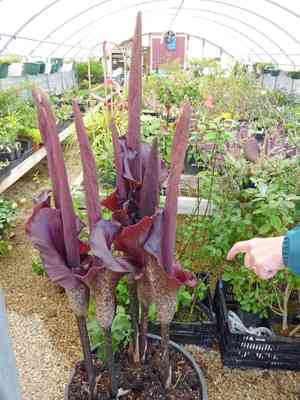
*Amorphophallus konjac*, also known simply as konjac or elephant yam, is extensively grown in Asia for its edible corm. The corm is particularly valued for its high glucomannan content, a type of dietary fiber. While the corm is edible, it typically requires thorough cooking to be safe for consumption. After reaching maturity over several years, the plant produces a striking purple flower that can grow up to 1.5 meters tall.

Attributes of Konjac

Lifespan
Perennial
Plant Type
Herb
Plant Height
1 m
Spread
60 cm to 1.2 m
Leaf Color
Green
Flower Size
30 cm
Flower Color
Purple Brown Red

PlantJoy - Identify plants with a snap

Identify and diagnose plants, get toxicity alerts, and explore safety guides for all types of fungi.

Try for Free

Images of Konjac

Konjac(Amorphophallus konjac)

Quickly Identify Konjac

1
Large corm 6-10 inches (15-25 cm) in diameter.
2
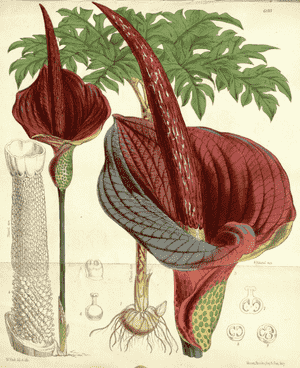
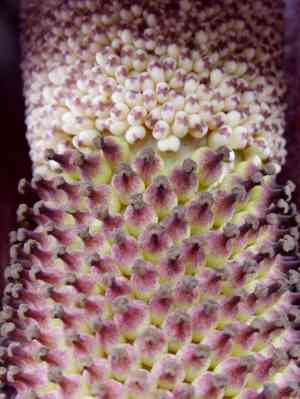
Distinctive inflorescence with purple spathe reaching 2 feet (60 cm) in height.
3
Single deeply lobed leaf on a 4 feet (1.2 meters) tall stalk.
4
Bipinnate leaves up to 39 inches (100 cm) long with pink petiole.
5
Strong odor resembling rotten flesh attracts pollinators before leaf emergence.

Scientific Classification of Konjac

Phylum
Vascular plants
Class
Monocotyledons
Order
Water plantains and allies
Family
Arum
Genus
Amorphophallus
Species
Konjac

Planting and Growing of Konjac

Care Difficulty
Hard
Watering Schedule
Every 2 days
Sunlight Requirements
Partial sun
Sunshine Duration
6-10 hours
Ideal Temperature
68-77℉
Soil Type
Potting Mix, Peat Mix
Soil pH
6.5-7.5
Fertilizer Type
Balanced
Pruning Season
Spring, Summer
Pruning Area
Branches, Leaves
Pruning Frequency
2 times a year
Repotting Season
Spring
Pot Type
Plastic, Ceramic

water icon How to Water Konjac?

Amorphophallus konjac requires moderate watering. Approximately 450 ml of water should be enough to saturate the soil without causing waterlog. It's essential to consider the soil moisture content before watering, ensuring it barely remains damp before adding more water.
What are the symptoms of an underwatered Konjac?
What should I do if my Konjac is not getting enough water?
What are the symptoms of an overwatered Konjac?
How to save an overwatered Konjac?

sunlight icon What Are the Sunlight Requirements for Konjac?

Sunlight Requirements: Partial sun
Duration of light: 3 to 4 hours
Partial sun conditions are ideal for the Amorphophallus konjac, promoting balanced growth without the risk of damaging light intensity, aiding in full foliage development.
How much light does Amorphophallus konjac need?
Solutions for achieving ideal light conditions?
Benefits of ideal lighting?
More About Sunlight Requirements Techniques

temperature icon What Is the Ideal Temperature Range for Konjac?

Ideal Temperature: 68 ~ 77℉
The ideal temperature range for growing Amorphophallus konjac is between 68°F and 77°F. This range ensures optimal metabolic activities and energy utilization within the plant. Within these temperatures, the plant is most efficient in photosynthesis, nutrient uptake, and overall growth. Maintaining this temperature consistently will help prevent stress and encourage healthy development.

soil icon What Soil is Best for Konjac?

Soil type: Loam, Sandy loam, Clay soil
Soil PH: 6.5 ~ 7.5
Amorphophallus konjac thrives in nutrient-rich soils which provide essential minerals and enhance growth. This boosts its overall health and supports the development of its iconic large leaves. This plant requires soil with excellent drainage to prevent waterlogging. Proper drainage prevents root rot and ensures optimal root health. While Amorphophallus konjac needs well-draining soil, it also prefers a certain level of moisture retention. This helps maintain stable moisture levels around the roots, promoting steady growth.

fertilize icon How to Fertilize Konjac?

Fertilizer type: Balanced
For Amorphophallus konjac, an appropriately balanced fertilizer is essential. Use a balanced 10-10-10 NPK fertilizer at about half the recommended rate on the label. Avoid heavy feeding, as this plant is sensitive to excessive nutrients. Monitor the soil condition to avoid any salt build-up. Proper fertilization ensures lush growth and a healthy tuber.

prune icon How to Prune Konjac?

Pruning Time: Spring, Summer
Begin by identifying the dormant stage of the plant when it is not actively growing. This is when the plant's energy reserves are stored in the tuber. Before pruning, sterilize your tools with alcohol or bleach solution to prevent the transmission of diseases. Carefully trim back old stems to the base, close to the soil line. Ensure you don't damage the tuber while cutting. Properly dispose of the pruned material to prevent any potential spread of disease. Composting is not recommended unless you're sure there are no pathogens. More About Pruning Techniques

propagate icon How to Propagate Konjac plant?

Propagate Time: Early spring, Late spring
1
Collect seeds from mature Amorphophallus konjac plants once the fruits have dried. Clean them thoroughly to remove any pulp, then let them dry in a cool, shaded location.
2
For division propagation, carefully remove the plant from the soil, taking care not to damage the corms. Use sterilized tools to divide the corms, ensuring each section has a healthy bud.
3
Plant the seeds or divided corms in a well-draining soil mix. Maintain consistent moisture and provide partial shade to support delicate new growth and protect against harsh sunlight.
More About Propagating Techniques

repot icon How to Repot Konjac plant?

Repotting frequency: Every 2-3 years
1
Signs that Amorphophallus konjac needs repotting are evident when its pot becomes largely root-bound. Springtime is ideal because the plant emerges from dormancy, meaning it can adequately recover and thrive. Larger corms needing more space or nutrient updates are further signals for repotting.
2
Choose a pot with excellent drainage and one size larger than the current container. This permits adequate room for growth and prevents the risks associated with waterlogged soil and root rot, facilitating improved aeration and robust development.
3
Opt for a well-draining, nutrient-rich soil mix incorporating organic material like peat or compost. This enhances moisture retention while ensuring proper drainage, delivering a balance that supports the bulb's vigor and overall health in its new pot.

PlantJoy - Identify plants with a snap

Find the best spots for them to optimize their health, simply using your phone.

Try for Free

Toxicity of Konjac

Is Konjac toxic to cat?

Konjac possesses a relatively low toxicity level for cats, representing a risk mainly due to the consumption of its tuber. When ingested in substantial quantities, this plant can cause symptoms of physical discomfort or sickness in cats, which should alert pet owners to observe for any unusual alterations in their pet's behavior or health. While the specific toxic agents are not detailed, it is vital for cat owners to ensure their pets do not come into contact with parts of konjac that could be detrimental to their well-being. If a cat consumes konjac, prompt veterinary care is essential to effectively address any potential health issues.

Is Konjac toxic to dog?

Konjac presents a low-level toxicity hazard to dogs. Poisoning is most likely to occur when a dog eats large quantities of the plant, especially the tuber section, which is recognized as toxic. Following the consumption of konjac, dogs might show symptoms like gastrointestinal discomfort or other distress signals. Therefore, it is essential for dog owners to supervise their pets and restrict their access to this plant. Should a dog accidentally consume konjac, seeking prompt veterinary assistance is crucial to guarantee appropriate treatment and management of any possible poisoning.

Identify toxic plants for your safety

Learn which plants are harmful to you and your pets, and make informed choices for a safer home!

Try for Free
WARNING
The judgment on toxicity and danger is for reference only. We DO NOT GUARANTEE any accuracy of such judgment. Therefore, you SHALL NOT rely on such judgment. It is IMPORTANT TO SEEK PROFESSIONAL ADVICE in advance when necessary.
More About Toxic Techniques