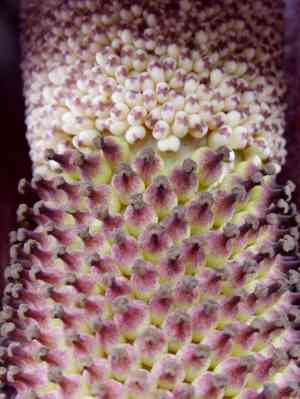
Konjac (Amorphophallus konjac)
Also known as: Snake palm, Elephant yam, Konnyaku potato
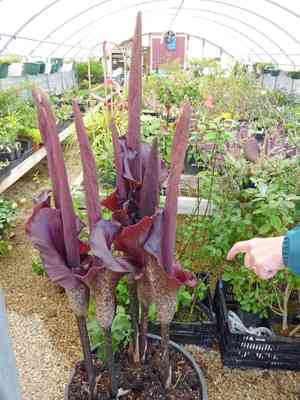
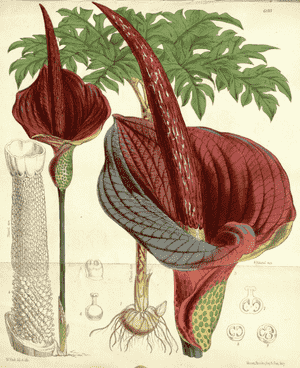
*Amorphophallus konjac*, also known simply as konjac or elephant yam, is extensively grown in Asia for its edible corm. The corm is particularly valued for its high glucomannan content, a type of dietary fiber. While the corm is edible, it typically requires thorough cooking to be safe for consumption. After reaching maturity over several years, the plant produces a striking purple flower that can grow up to 1.5 meters tall.
Attributes of Konjac
Images of Konjac
Quickly Identify Konjac
Scientific Classification of Konjac
Planting and Growing of Konjac
 How to Water Konjac?
 What Are the Sunlight Requirements for Konjac?
 What Is the Ideal Temperature Range for Konjac?
 What Soil is Best for Konjac?
 How to Fertilize Konjac?
 How to Prune Konjac?
 How to Propagate Konjac plant?
 How to Repot Konjac plant?
Toxicity of Konjac
Is Konjac toxic to cat?
Konjac possesses a relatively low toxicity level for cats, representing a risk mainly due to the consumption of its tuber. When ingested in substantial quantities, this plant can cause symptoms of physical discomfort or sickness in cats, which should alert pet owners to observe for any unusual alterations in their pet's behavior or health. While the specific toxic agents are not detailed, it is vital for cat owners to ensure their pets do not come into contact with parts of konjac that could be detrimental to their well-being. If a cat consumes konjac, prompt veterinary care is essential to effectively address any potential health issues.
Is Konjac toxic to dog?
Konjac presents a low-level toxicity hazard to dogs. Poisoning is most likely to occur when a dog eats large quantities of the plant, especially the tuber section, which is recognized as toxic. Following the consumption of konjac, dogs might show symptoms like gastrointestinal discomfort or other distress signals. Therefore, it is essential for dog owners to supervise their pets and restrict their access to this plant. Should a dog accidentally consume konjac, seeking prompt veterinary assistance is crucial to guarantee appropriate treatment and management of any possible poisoning.



