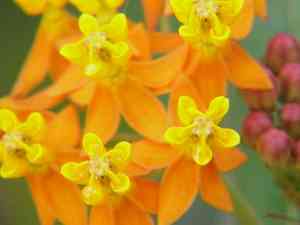
Fringed Bluestar (Amsonia ciliata)
Also known as: Texas Bluestar, Creeping Bluestar, Downy Blue Star, Texas Slimpod, Blue Star
Amsonia ciliata, known as Fringed Bluestar, is a perennial that displays clusters of pale blue, star-shaped flowers in the spring. It attracts butterflies and its green foliage turns yellow in autumn. The plant flourishes in both full sun and partial shade, making it an excellent choice for rock gardens and cottage gardens when planted en masse.
Attributes of Fringed Bluestar
Images of Fringed Bluestar
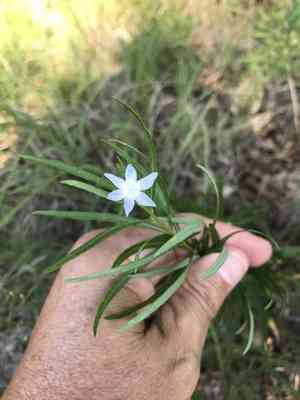
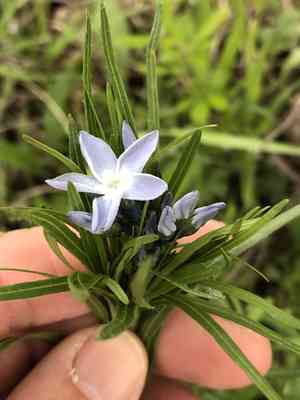
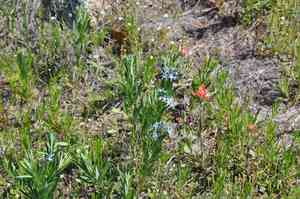
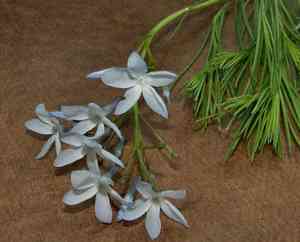
Quickly Identify Fringed Bluestar
Scientific Classification of Fringed Bluestar
Planting and Growing of Fringed Bluestar
 How to Water Fringed Bluestar?
 What Are the Sunlight Requirements for Fringed Bluestar?
 What Is the Ideal Temperature Range for Fringed Bluestar?
 What Soil is Best for Fringed Bluestar?
 How to Fertilize Fringed Bluestar?
 How to Prune Fringed Bluestar?
 How to Propagate Fringed Bluestar plant?
 How to Repot Fringed Bluestar plant?
Toxicity of Fringed Bluestar
Is Fringed Bluestar toxic to humans?
The Fringed Bluestar has the potential to induce mild poisoning if it comes into contact with the skin. Its milky sap is regarded as toxic, thus it is advisable to prevent direct contact with any broken parts or exposed sap of the plant. Symptoms of poisoning may include slight skin irritation and rashes. This plant is often cultivated in residential settings, increasing the risk for children.



