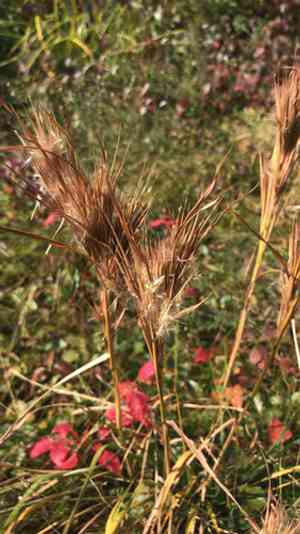
Bushy bluestem (Andropogon glomeratus)
Also known as: Bushy Broom Grass, Purple bluestem
Bushy bluestem (Andropogon glomeratus) is an ornamental grass that reaches heights of 3 to 6 feet. It produces striking silvery pink to white flowers from fall to winter, forming distinctive club-shaped panicles. For optimal growth, plant it in full sun and ensure the soil remains moist. To promote healthy new growth in spring and prevent unwanted reseeding, trim the clumps back to ground level after the blooming period.
In This Article
Attributes of Bushy bluestem
Lifespan
Perennial
Plant Type
Herb
Plant Height
61 cm to 1.8 m
Spread
60 cm to 90 cm
Leaf Color
Green Blue
Flower Size
5 cm to 8 cm
Flower Color
White Cream
Images of Bushy bluestem
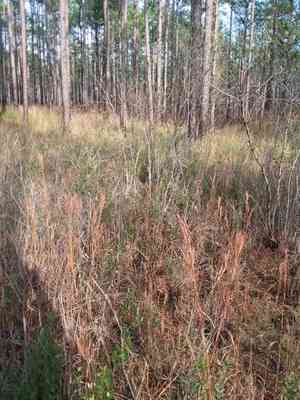
Quickly Identify Bushy bluestem
1
Robust clumping growth, 2-4 feet (60-120 cm) tall.
2
Distinctive reddish foliage, copper-orange leaves in fall.
3
Whisker-like floral displays in autumn, white or pale purple.
4
Beard-like flowers in compact, plume-like clusters, 6 inches (15 cm) tall.
5
Lightweight tan to brown caryopsis fruit, less than 0.04 inches (1 mm).
Scientific Classification of Bushy bluestem
Phylum
Vascular plants
Class
Monocotyledons
Order
Poales
Family
Grass
Genus
Bluestem grass
Species
Bushy bluestem
Planting and Growing of Bushy bluestem
Care Difficulty
Easy
Watering Schedule
Every 2 days
Sunlight Requirements
Full sun
Sunshine Duration
4-8 hours
Ideal Temperature
65-75℉
Soil Type
Potting Mix, Peat Mix
Soil pH
6-7.5
Fertilizer Type
Balanced
Pruning Season
Spring, Summer
Pruning Area
Branches, Leaves
Pruning Frequency
2 times a year
Repotting Season
Spring
Pot Type
Plastic, Ceramic
 How to Water Bushy bluestem?
Andropogon glomeratus requires a moderate amount of water. Typically, 250 ml per watering session is sufficient, ensuring that the soil is evenly moist but not soggy. Water until it starts to drain from the bottom of the pot to ensure even distribution and adequate saturation without overwatering.
What are the symptoms of an underwatered Bushy bluestem?
›
What should I do if my Bushy bluestem is not getting enough water?
›
What are the symptoms of an overwatered Bushy bluestem?
›
How to save an overwatered Bushy bluestem?
›
 What Are the Sunlight Requirements for Bushy bluestem?
For optimal growth, Andropogon glomeratus prefers full sun to partial sun conditions. This exposure supports healthy photosynthesis, strong root development, and vibrant leaf color, contributing to its ornamental appeal.
More About Sunlight Requirements Techniques→
Optimal Sun Exposure
›
Balancing Light and Shade
›
Monitoring Light Levels
›
 What Is the Ideal Temperature Range for Bushy bluestem?
Andropogon glomeratus thrives best in environments where temperatures remain consistently between 65°F and 75°F. This range provides optimal conditions for growth and metabolic processes, ensuring that the plant can perform photosynthesis efficiently and develop robust foliage.
 What Soil is Best for Bushy bluestem?
Andropogon glomeratus thrives in well-drained soils because excess water can lead to root rot. This requirement ensures that the roots stay healthy and are capable of efficiently absorbing nutrients. While it can survive in poorer soils, Andropogon glomeratus benefits from nutrient-rich mediums which promote robust growth, lush foliage, and improved flowering. This is especially important in competitive natural habitats. The ideal soil pH for Andropogon glomeratus is between 6.0 and 7.5, which supports optimal nutrient availability and uptake, contributing to the plant's healthy development.
 How to Fertilize Bushy bluestem?
For Andropogon glomeratus, use a balanced fertilizer at a concentration of 1 tablespoon per gallon of water for liquid fertilizers. This amount ensures that the plant receives adequate nutrients without the risk of nutrient burn.
 How to Prune Bushy bluestem?
Start by removing any stalks that appear brown and dry. These sections hinder the plant's aesthetic and can drain resources unnecessarily. Trim back taller stalks to about half their size, especially those that have grown too dense. This increases light penetration and air circulation. Focus on maintaining a natural rounded shape. Avoid too much trimming at the base to ensure the clump remains full. Check for any hidden diseased sections among the healthy foliage, making sure the base stays tidy for new growth.
More About Pruning Techniques→
 How to Propagate Bushy bluestem plant?
1
Prepare the seed tray by filling it with a mix of potting soil and sand to ensure adequate drainage. Moisten the soil and allow it to settle before placing the seeds. It's important to sow the seeds evenly and cover them lightly with soil, pressing gently to secure them in place.
2
Place the seed tray in a warm and sunny location with consistent watering to keep the soil moist but not waterlogged. Maintain a temperature around 70°F (21°C) to facilitate germination, which usually occurs within two to three weeks.
3
Choose a healthy, mature plant and carefully dig it out of the ground. Use a spade or sharp knife to divide the root ball into smaller sections, ensuring each section has sufficient roots and shoots. Quickly replant the divisions at the same depth as the original plant in prepared soil.
 How to Repot Bushy bluestem plant?
1
Andropogon glomeratus should be repotted when you notice its roots starting to grow through the drainage holes of the pot or when the plant seems to outgrow the current container. Another sign could be the soil drying out more quickly than usual after watering, indicating that the roots have taken up too much space and left less soil for moisture retention.
2
Select a pot that is 1-2 inches larger in diameter than the current one. The pot should have drainage holes to prevent waterlogging, which can lead to root rot. Using a breathable material like terracotta allows for better moisture regulation. The slight increase in space encourages healthy root growth and provides more soil for moisture and nutrient storage.
3
Opt for a well-draining potting mix, which could be composed of equal parts compost, perlite, and coarse sand. This mixture ensures proper drainage while retaining enough moisture for the plant. Good drainage prevents root rot, a common problem in overly moist soil, while the sand improves aeration, promoting healthy root growth.



