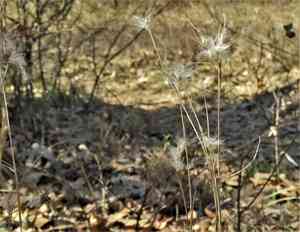
Splitbeard Bluestem (Andropogon ternarius)
Also known as: Paintbrush Bluestem, Split Bluestem, Broomstraw, Black Mountain Bluestem, Feather Bluestem
Splitbeard Bluestem (Andropogon ternarius) is a native grass that thrives in the eastern and southern regions of the United States. It commonly grows in sunny areas like prairies, open woodlands, and along roadsides, and it adapts well to disturbed sites. This grass provides essential cover and nesting areas for birds such as bobwhite quail and serves as forage for grazing animals like cows.
In This Article
Attributes of Splitbeard Bluestem
Lifespan
Perennial
Plant Type
Herb
Plant Height
61 cm to 91 cm
Spread
30 cm to 60 cm
Leaf Color
Green Blue
Flower Size
2.5 cm
Flower Color
White Green Silver
Images of Splitbeard Bluestem
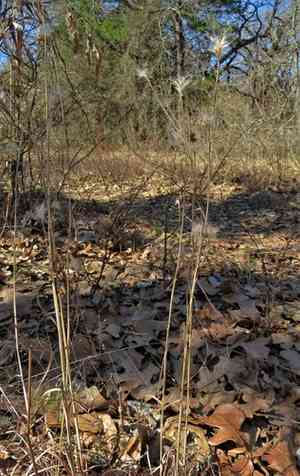
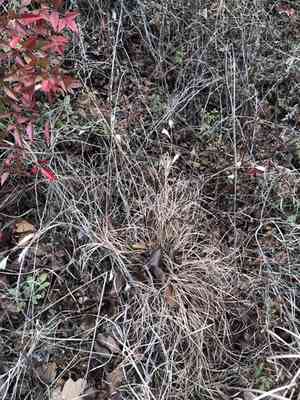
Quickly Identify Splitbeard Bluestem
1
3 feet (91 cm) tall with blue-green foliage transitioning to purplish tones.
2
Delicate racemes of white flowers, 2 inches (5 cm) long, blooming September-October.
3
Silvery, fluffy fruiting bodies with caryopsis for wind dispersal, maturing October-November.
4
Slender, silver-blue leaves, 8-18 inches (20-45 cm) long, hairy texture transitioning to copper-red.
5
Long, slender stems, purplish to reddish-green, unbranched, up to 3 feet (90 cm) tall.
Scientific Classification of Splitbeard Bluestem
Phylum
Vascular plants
Class
Monocotyledons
Order
Poales
Family
Grass
Genus
Bluestem grass
Species
Splitbeard Bluestem
Planting and Growing of Splitbeard Bluestem
Care Difficulty
Easy
Watering Schedule
Every 4 days
Sunlight Requirements
Full sun
Sunshine Duration
6-10 hours
Ideal Temperature
65-75℉
Soil Type
Potting Mix, Peat Mix
Soil pH
5.5-7.5
Fertilizer Type
Balanced
Pruning Season
Spring, Summer
Pruning Area
Branches, Leaves
Pruning Frequency
2 times a year
Repotting Season
Spring
Pot Type
Plastic, Ceramic
 How to Water Splitbeard Bluestem?
Andropogon ternarius, commonly known as splitbeard bluestem, prefers well-drained soils and does not require excessive watering. The ideal watering amount should moisten the soil evenly without waterlogging. Aim to provide around 500 ml of water per session, ensuring the water reaches the root zone without leaving the plant roots submerged.
What are the symptoms of an underwatered Splitbeard Bluestem?
›
What should I do if my Splitbeard Bluestem is not getting enough water?
›
What are the symptoms of an overwatered Splitbeard Bluestem?
›
How to save an overwatered Splitbeard Bluestem?
›
 What Are the Sunlight Requirements for Splitbeard Bluestem?
The ideal light range for Andropogon ternarius is full sun with some protection from harsh midday rays. This exposure pattern ensures strong growth, resistance to diseases, and vibrant leaf coloration.
More About Sunlight Requirements Techniques→
Why Full Sun?
›
What About Partial Sun?
›
How to Achieve Ideal Lighting?
›
 What Is the Ideal Temperature Range for Splitbeard Bluestem?
For optimal growth, Andropogon ternarius thrives in a temperature range between 65°F and 75°F. This range provides sufficient warmth for its metabolic processes, ensuring robust growth and development. It's crucial to maintain these temperatures consistently to prevent stress and encourage thriving conditions.
 What Soil is Best for Splitbeard Bluestem?
Andropogon ternarius thrives in well-drained soils, preventing root rot and other moisture-related diseases. This condition ensures robust root development and overall plant health. While the soil should drain well, it should also retain some moisture. This dual requirement ensures the plant has enough water during dry spells, contributing to its resilience. Having a nutrient-rich soil composition facilitates the growth of Andropogon ternarius by providing essential minerals and nutrients that boost its growth rate and vitality.
 How to Fertilize Splitbeard Bluestem?
Andropogon ternarius, known as splitbeard bluestem, benefits from moderate fertilization. For optimal growth, apply about 1 ounce of all-purpose granular fertilizer per square yard during the growing season. Ensure distribution is even to avoid localized over-fertilization.
 How to Prune Splitbeard Bluestem?
Prune Andropogon ternarius in early spring before new growth begins. This timing allows the plant to focus its energy on producing new, healthy shoots rather than maintaining old growth. Examine the plant and identify any dead, brown stalks. 2. Use sharp pruning shears to cut these stalks down to the base. 3. Shape the plant by trimming any overly long or misshapen growth. Ensure cuts are made at a slight angle to prevent water from collecting on the cut surfaces, reducing the risk of disease.
More About Pruning Techniques→
 How to Propagate Splitbeard Bluestem plant?
1
Start by choosing a well-draining soil mix appropriate for Andropogon ternarius. Ensure the soil is moist but not waterlogged. This will create an ideal environment for seed germination or root division.
2
When propagating via seeds, scatter the seeds evenly across the seedling trays and lightly cover them with soil. Maintain consistent moisture levels and ensure they are placed in a spot with indirect sunlight.
3
For division propagation, carefully dig up the plant and use a sharp knife to split the root system into smaller sections, ensuring each section has enough roots and shoots to thrive independently.
 How to Repot Splitbeard Bluestem plant?
1
Andropogon ternarius shows signs of needing repotting when roots emerge from the drainage holes or the soil becomes compacted and waterlogged. These indicators, often observed in spring or autumn, imply that the plant requires a larger space to grow and access to fresh, nutrient-rich soil.
2
Select a pot that is 1-2 inches larger in diameter than the old one with at least one drainage hole to prevent water accumulation. This helps prevent root rot and ensures healthy growth by providing enough space and proper drainage for the plant's expanding root system.
3
Opt for a well-draining loam mix, rich in organic matter, to support Andropogon ternarius. This type of soil retains necessary moisture while preventing waterlogging, ensuring the plant roots receive ample oxygen and nutrients for optimal health.



