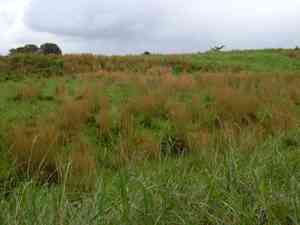
Broomsedge bluestem (Andropogon virginicus)
Also known as: Yellowsedge bluestem, Beard grass, Sedge grass, Old-field Broomstraw
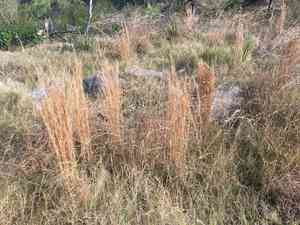
The plant you're thinking of is Broomsedge Bluestem (Andropogon virginicus). Despite its name, it's not a true sedge but belongs to the grass family. Historically, its stiff stems were utilized for making brooms. This perennial grass thrives in poor, barren soils and is frequently employed in prairie restoration projects. It is particularly noted for its copper-colored foliage that persists from the previous year’s growth.
In This Article
Attributes of Broomsedge bluestem
Lifespan
Perennial
Plant Type
Grass
Plant Height
61 cm to 1.5 m
Spread
60 cm to 90 cm
Leaf Color
Green Yellow Orange
Flower Size
1 mm to 3 cm
Flower Color
Green White Cream Orange Silver
Images of Broomsedge bluestem
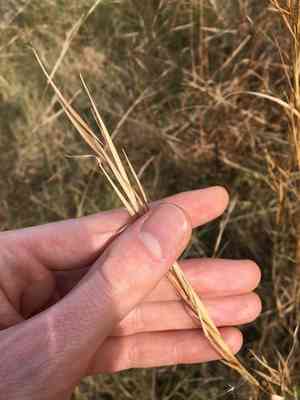
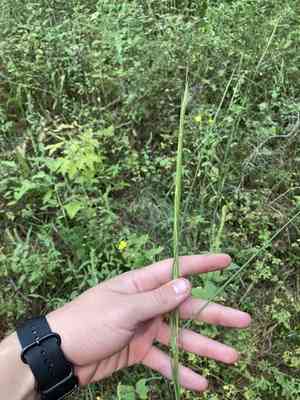
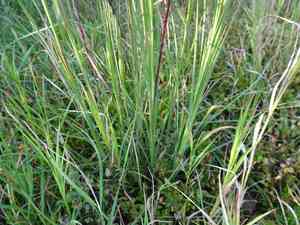
Quickly Identify Broomsedge bluestem
1
Leaves transition from green to red-purple to bright orange, measuring 10-20 inches (25-50 cm) in length.
2
Distinct inflorescence changes from subtle to bright orange, appearing silvery when backlit.
3
Smooth, elongated caryopsis fruits are inconspicuous, measuring 0.10 inches (2.5 mm) in length.
4
Stem changes color from green to dark red-purple to bright orange, reaching up to 3 feet (90 cm) tall.
5
Plant resistant to heavy mulching, unwelcome to foragers, thrives in managed rural landscapes.
Scientific Classification of Broomsedge bluestem
Phylum
Vascular plants
Class
Monocotyledons
Order
Poales
Family
Grass
Genus
Bluestem grass
Species
Broomsedge bluestem
Planting and Growing of Broomsedge bluestem
Care Difficulty
Easy
Watering Schedule
Every 2 days
Sunlight Requirements
Full sun
Sunshine Duration
6-10 hours
Ideal Temperature
60-80℉
Soil Type
Potting Mix, Peat Mix
Soil pH
4.1-7
Fertilizer Type
Balanced
Pruning Season
Spring, Summer
Pruning Area
Branches, Leaves
Pruning Frequency
2 times a year
Repotting Season
Spring
Pot Type
Plastic, Ceramic
 How to Water Broomsedge bluestem?
Watering for Andropogon virginicus should ensure that the soil remains moist but not waterlogged. Typically, about 500 ml per watering session will suffice, allowing the water to fully saturate the root zone without leaving standing water. The fundamental principle here is to maintain consistent moisture without encouraging root rot.
What are the symptoms of an underwatered Broomsedge bluestem?
›
What should I do if my Broomsedge bluestem is not getting enough water?
›
What are the symptoms of an overwatered Broomsedge bluestem?
›
How to save an overwatered Broomsedge bluestem?
›
 What Are the Sunlight Requirements for Broomsedge bluestem?
Half to full day of sunlight is ideal for Andropogon virginicus. This range promotes maximal growth and contributes to its resilience and visual appeal.
More About Sunlight Requirements Techniques→
What are the ideal light conditions?
›
How to ensure ideal lighting?
›
Benefits of receiving ideal sunlight?
›
 What Is the Ideal Temperature Range for Broomsedge bluestem?
The ideal temperature range for cultivating Andropogon virginicus, commonly known as broomsedge bluestem, is between 60°F and 80°F. This temperature range provides optimal conditions for photosynthesis and metabolic activities, ensuring robust growth and healthy development of the plant. Maintaining this temperature helps in achieving lush foliage and desirable plant characteristics.
 What Soil is Best for Broomsedge bluestem?
Andropogon virginicus thrives in well-draining soil, which prevents waterlogging and root rot. The plant's roots can get adequate oxygen, supporting healthier growth and robust foliage. Proper drainage also means nutrients are more available to the plant. This plant does not require highly fertile soil, making it suitable for nutrient-poor soils. It can compete in environments where other plants might struggle, acting as a pioneer species in disturbed areas. Andropogon virginicus demonstrates remarkable adaptability to different soil types, from sandy to clay soils. This flexibility allows it to establish in a wide range of environments, promoting ecological diversity.
 How to Fertilize Broomsedge bluestem?
Andropogon virginicus requires a balanced application of nutrients; usually, a quarter to half a tablespoon of liquid fertilizer per plant is sufficient for each feeding to ensure steady growth without overwhelming the root system.
 How to Prune Broomsedge bluestem?
To prune Andropogon virginicus, start by using sharp and clean pruning shears. Cut the grass back by about one-third to halve its height to stimulate new growth and maintain its form. Focus on removing any dead or diseased stems to promote healthy regrowth. Make sure to prune above a node to encourage bushier growth. Pruning can help maintain the desired shape, but ensure that you do not cut too deeply into the plant base to prevent damage.
 How to Propagate Broomsedge bluestem plant?
1
Fill the seed tray with sterile potting mix. Make sure the soil is evenly distributed and slightly moistened to ensure seed contact and support germination.
2
Sow the Andropogon virginicus seeds evenly over the surface of the soil. Lightly cover the seeds with a thin layer of potting mix; do not bury them deeply, as they need light to germinate.
3
Mist the seed tray with water to keep the soil consistently moist but not waterlogged. Use a spray bottle to gently water the seeds and avoid dislodging them.
 How to Repot Broomsedge bluestem plant?
1
Recognizing when to repot Andropogon virginicus involves observing the root system. If roots are seen emerging from the drainage holes or circling the pot's bottom, it's time to repot. Additionally, diminished growth or the plant being top-heavy and prone to tipping over are other clear signals that repotting is necessary.
2
Choosing the right pot for Andropogon virginicus is crucial. Opt for a pot slightly larger than the current one, ensuring enough room for growth while avoiding too much excess space that can lead to water retention. A pot with drainage holes is vital to prevent waterlogging and associated root rot.
3
Selecting the appropriate soil for repotting is essential for the plant's health. Andropogon virginicus thrives in a well-draining sandy soil mix. This type of soil prevents overwatering and root rot by allowing excess water to drain efficiently, simulating its natural habitat conditions.



