
Poppy anemone (Anemone coronaria)
Also known as: Lilies-of-the-field, Spanish marigold
The Poppy Anemone (*Anemone coronaria*) is a flowering plant native to the Mediterranean region. Renowned for its vivid and diverse colors, it is extensively cultivated. This plant is commonly grown for cut flowers as well as in home gardens.
Attributes of Poppy anemone
Images of Poppy anemone
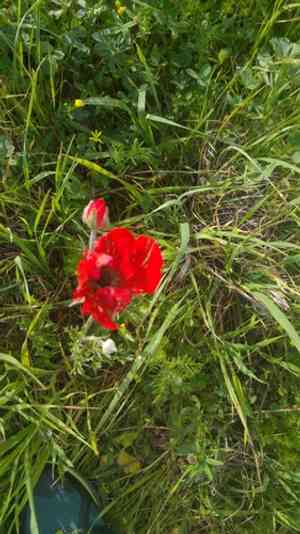
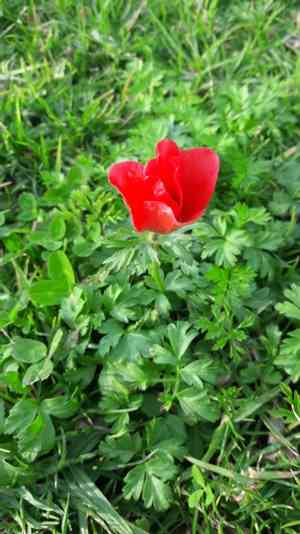

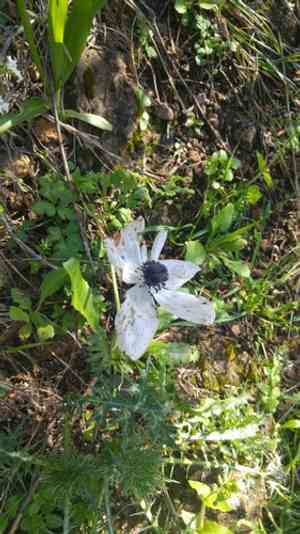
Quickly Identify Poppy anemone
Scientific Classification of Poppy anemone
Planting and Growing of Poppy anemone
 How to Water Poppy anemone?
 What Are the Sunlight Requirements for Poppy anemone?
 What Is the Ideal Temperature Range for Poppy anemone?
 What Soil is Best for Poppy anemone?
 How to Fertilize Poppy anemone?
 How to Prune Poppy anemone?
 How to Propagate Poppy anemone plant?
 How to Repot Poppy anemone plant?
Toxicity of Poppy anemone
Is Poppy anemone toxic to humans?
The Poppy anemone is extremely toxic, featuring a compound known as protoanemonin, making it advisable to avoid this plant altogether. Every part of the fresh plant holds poisonous properties if consumed. Nevertheless, adverse effects primarily occur only with significant ingestion. Consuming large quantities can lead to severe discomfort and irritation in the oral cavity, along with gastrointestinal disturbances like vomiting, diarrhea, and stomach pain. Additionally, contact with the sap of the Poppy anemone can trigger dermatitis, often leading to blistering and inflammation.
Is Poppy anemone toxic to cat?
The poppy anemone presents a significant toxicity risk to cats, as even minimal ingestion can lead to health issues due to the likelihood of accidental consumption. Every portion of the poppy anemone—encompassing the flowers, fruits, leaves, roots, seeds, stems, and bark—harbors harmful compounds that can cause physical discomfort or illness in cats. Symptoms may differ but frequently manifest as gastrointestinal disturbances or neurological distress. Should a cat consume any part of the poppy anemone, it is crucial to urgently seek veterinary care.
Is Poppy anemone toxic to dog?
The poppy anemone is recognized as a plant toxic to dogs. Canines may experience poisoning if they inadvertently consume this plant. Every part of the poppy anemone, including its flowers, fruits, leaves, roots, seeds, stems, and bark, contains harmful substances that can adversely affect a dog's well-being. Signs of poisoning in dogs can manifest as gastrointestinal distress, lethargy, tremors, seizures, or other alarming symptoms, depending on the quantity ingested. It is essential for dog owners to safeguard their pets from coming into contact with poppy anemone and to vigilantly observe them for any abnormal behaviors that could signal poisoning. Should ingestion of poppy anemone be suspected, swift veterinary intervention is vital to ensure the best possible recovery for the impacted dog.



