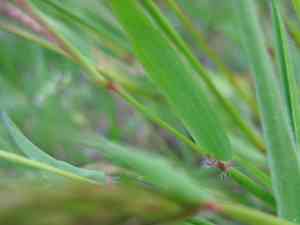
Sweet vernal grass (Anthoxanthum odoratum)
Also known as: Sweet grass
Sweet vernal grass, scientifically known as Anthoxanthum odoratum, is a flowering grass species native to the acidic grasslands of Eurasia and North Africa. Often found in lawns or used as an ornamental plant, its Latin name translates to "fragrant yellow flower." The term "Anthoxanthum" combines Greek words for flower and yellow, while "odoratum" highlights its notable sweet fragrance.
In This Article
Attributes of Sweet vernal grass
Lifespan
Perennial
Plant Type
Grass
Plant Height
30 cm to 91 cm
Spread
30 cm to 60 cm
Leaf Color
Green Yellow Red Orange
Flower Size
2 cm to 3 cm
Flower Color
Green Yellow Purple Brown
Images of Sweet vernal grass
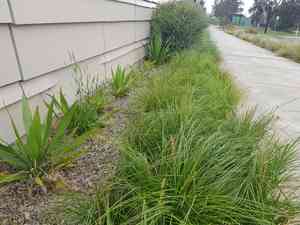
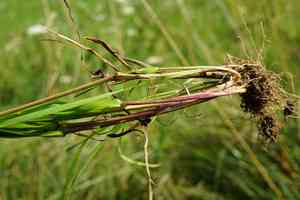
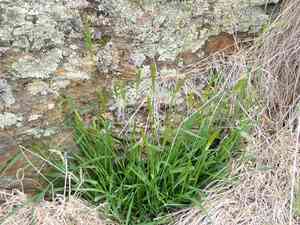
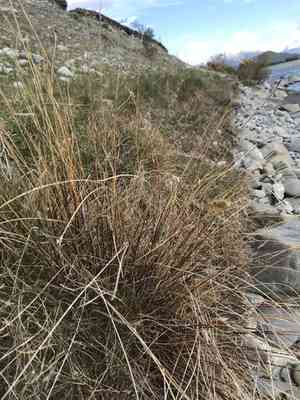
Quickly Identify Sweet vernal grass
1
Slender stems reaching up to 2 feet (60 cm) in height.
2
Narrow, linear leaves with a smooth, glossy texture.
3
Pleasant fragrance emitted when foliage is crushed.
4
Modest green hue persisting through various seasons.
5
Ability to self-seed and thrive in water-scarce environments.
Scientific Classification of Sweet vernal grass
Phylum
Vascular plants
Class
Monocotyledons
Order
Poales
Family
Grass
Genus
Hornworts
Species
Sweet vernal grass
Planting and Growing of Sweet vernal grass
Care Difficulty
Easy
Watering Schedule
Every 2 days
Sunlight Requirements
Full sun
Sunshine Duration
4-8 hours
Ideal Temperature
50-77℉
Soil Type
Potting Mix, Peat Mix
Soil pH
5.5-7.5
Fertilizer Type
Balanced
Pruning Season
Spring, Summer
Pruning Area
Branches, Leaves
Pruning Frequency
2 times a year
Repotting Season
Spring
Pot Type
Plastic, Ceramic
 How to Water Sweet vernal grass?
Anthoxanthum odoratum thrives best when the soil retains some moisture but does not remain waterlogged. Aim to apply approximately 150 ml of water each time, enough to lightly saturate the topsoil without causing runoff. The key principle is to ensure that the soil has time to almost completely dry out before the next watering session.
What are the symptoms of an underwatered Sweet vernal grass?
›
What should I do if my Sweet vernal grass is not getting enough water?
›
What are the symptoms of an overwatered Sweet vernal grass?
›
How to save an overwatered Sweet vernal grass?
›
 What Are the Sunlight Requirements for Sweet vernal grass?
Anthoxanthum odoratum thrives in full to partial sun environments. Adequate lighting will enhance its growth, strengthen its fragrance, and improve its overall health.
What is the best location for planting?
›
How can I ensure it gets enough sunlight indoors?
›
What happens if the plant receives optimal lighting?
›
 What Is the Ideal Temperature Range for Sweet vernal grass?
The ideal temperature range for Anthoxanthum odoratum, also known as Sweet Vernal Grass, is between 50°F and 77°F. This range allows the plant to thrive in its natural environment, ensuring optimal growth and flowering. Within this range, the plant efficiently manages its metabolic processes and maximizes photosynthetic activity, leading to healthy foliage and development.
 What Soil is Best for Sweet vernal grass?
Anthoxanthum odoratum thrives in well-drained soil, which allows excess water to escape easily. This is crucial for preventing root rot and other water-related issues, ensuring the plant remains healthy and flourishing. This plant prefers consistently moist conditions, as they mimic its native habitat. Regular watering helps the plant maintain its vibrant green color and enhances its sweet aroma, making it more appealing. Moderate fertility is essential because it provides sufficient nutrients for growth without overwhelming the plant. It encourages robust root development and a lush, dense foliage, contributing to the plant's overall health.
 How to Fertilize Sweet vernal grass?
For Anthoxanthum odoratum, the fertilizer should be applied carefully to provide essential nutrients without overwhelming the plant. Liquid fertilizers should be used at a concentration of 1/2 the recommended strength, applied to the soil rather than the foliage to prevent burning. Solid slow-release fertilizers should be applied according to the product's instructions but should not exceed the recommended dosage, ensuring even nutrient distribution.
 How to Prune Sweet vernal grass?
While it's important to keep your Anthoxanthum odoratum neat, cutting back too much at once can stress the plant. Aim to remove no more than a third of the plant's height at one time. Instead of creating rigid lines, follow the plant's natural contour. This will not only maintain its aesthetic appeal but also maximize its health benefits by ensuring each blade receives optimal light and air exposure.
 How to Propagate Sweet vernal grass plant?
1
Begin by selecting high-quality seeds from a reputable source. Fill your seed trays with a fine quality seed-starting medium and ensure the soil is lightly moistened before planting the seeds. This method ensures optimal conditions for germination.
2
Plant the seeds at a shallow depth in the trays, with a light covering of soil to protect them. Maintain an ideal temperature and ensure consistent moisture levels in the growing medium to encourage seed germination.
3
During early spring, carefully dig up mature clumps of Anthoxanthum odoratum using a garden fork. Gently separate the roots into smaller clumps, ensuring each piece has enough root mass for successful regrowth.
 How to Repot Sweet vernal grass plant?
1
Anthoxanthum odoratum needs repotting when its roots start emerging from drainage holes or growth visibly slows. Another sign is when water takes too long to drain, indicating compacted soil. Repotting in spring provides the best conditions for recovery and growth.
2
Select a pot slightly larger than the current one, preferably with drainage holes, to prevent waterlogging. Materials like terracotta can help wick away excess moisture. An appropriately sized pot ensures root stability and optimal growth space.
3
A well-draining loamy soil is ideal for Anthoxanthum odoratum as it offers a perfect balance of moisture retention and aeration. This mix prevents root rot and promotes healthy root development, crucial for vital nutrient uptake.
Toxicity
Ingestion
WARNING
The judgment on toxicity and danger is for reference only. We DO NOT GUARANTEE any accuracy of such judgment. Therefore, you SHALL NOT rely on such judgment. It is IMPORTANT TO SEEK PROFESSIONAL ADVICE in advance when necessary.



