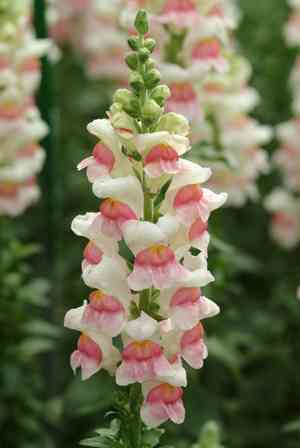
Garden snapdragon (Antirrhinum majus)
Also known as: Common snapdragon, Dragon plant
The garden snapdragon (Antirrhinum majus) is a flowering plant often grown as an annual or biennial for ornamental purposes. Its unique flowers, which open like a dragon’s mouth when squeezed, give it its common name. The plant’s rapid growth and straightforward pollination process have made it a valuable subject for genetic research, establishing it as a model organism in plant genetics studies.
In This Article
Attributes of Garden snapdragon
Lifespan
Perennial, Annual, Biennial
Plant Type
Herb
Plant Height
20 cm to 1 m
Spread
10 cm to 50 cm
Leaf Color
Green
Flower Size
1.5 cm to 5 cm
Flower Color
Yellow Pink Orange White Red Purple
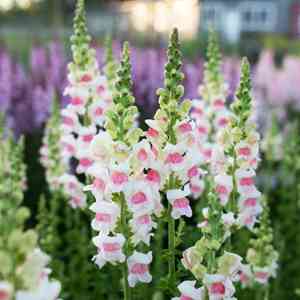
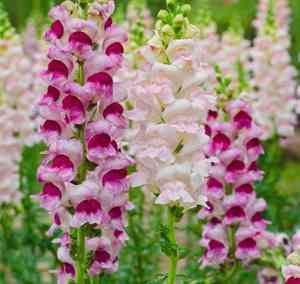
Images of Garden snapdragon

Quickly Identify Garden snapdragon
1
Zygomorphic flowers resembling dragon heads with two-lipped corollas
2
Long, lance-shaped leaves with glossy dark green color
3
Distinctive capsule fruit with short beak, enclosed by calyx lobes
4
Opposite to alternate leaf arrangement, glabrous and smooth
5
Blooms measure 1 to 2 inches (2.5 to 5 cm) in length, emit mild fragrance
Scientific Classification of Garden snapdragon
Phylum
Vascular plants
Class
Dicotyledons
Order
Mints plantains olives and allies
Family
Plantain
Genus
Snapdragons
Species
Garden snapdragon
Planting and Growing of Garden snapdragon
Care Difficulty
Easy
Watering Schedule
Every 8 days
Sunlight Requirements
Partial sun
Sunshine Duration
6-10 hours
Ideal Temperature
60-75℉
Soil Type
Potting Mix, Peat Mix
Soil pH
6.5-7.5
Fertilizer Type
Balanced
Pruning Season
Spring, Summer
Pruning Area
Branches, Leaves
Pruning Frequency
2 times a year
Repotting Season
Spring
Pot Type
Plastic, Ceramic
 How to Water Garden snapdragon?
Water Antirrhinum majus until the soil is evenly moist but not soggy. The key is to ensure the soil feels damp to the touch, but there's no standing water at the bottom of the pot. Adjust the amount if water drains quickly or slowly.
More About Watering Techniques→
What are the symptoms of an underwatered Garden snapdragon?
›
What should I do if my Garden snapdragon is not getting enough water?
›
What are the symptoms of an overwatered Garden snapdragon?
›
How to save an overwatered Garden snapdragon?
›
 What Are the Sunlight Requirements for Garden snapdragon?
Antirrhinum majus flourishes in full to partial sun environments. Ideal light ensures strong flowering, vibrant colors, and robust growth, enhancing both the plant's health and visual appeal.
More About Sunlight Requirements Techniques→
How much sunlight does Antirrhinum majus require?
›
What is the best location for Antirrhinum majus?
›
What are the benefits of proper sunlight for Antirrhinum majus?
›
 What Is the Ideal Temperature Range for Garden snapdragon?
The ideal temperature range for Antirrhinum majus is between 60°F and 75°F. This range ensures optimal growth and flowering. Temperatures above or below this range might affect the plant's development negatively, leading to stunted growth or reduced flowering. Maintaining this temperature helps the plant in photosynthesis and nutrient absorption.
 What Soil is Best for Garden snapdragon?
Antirrhinum majus thrives in well-drained soil as it prevents root rot by allowing excess water to escape quickly. This is crucial for healthy root development and vigorous blooms. Rich soil packed with nutrients supports robust flowering and foliage growth. This plant benefits from organic matter that boosts soil fertility, enhancing overall vitality. Soil with moderate moisture retention balances the hydration needs of Antirrhinum majus. It helps maintain consistent moisture without becoming waterlogged, ensuring optimal growth.
More About Soil→
 How to Fertilize Garden snapdragon?
For Antirrhinum majus, it's crucial to use a balanced fertilizer with an NPK ratio around 10-10-10 or 20-20-20. Apply a liquid solution at half the manufacturer's recommended strength to avoid over-fertilization. Ensure the soil is moist before applying to prevent root burn.
More About Fertilizing Techniques→
 How to Prune Garden snapdragon?
Begin by carefully assessing the plant for any dead, diseased, or damaged branches and flowers. Gently snip these away where they meet healthy tissue to encourage new growth, allowing the plant to direct energy to flourishing sections. Pinching the tips of the stems promotes a bushier growth habit. This involves gently squeezing off the growing tips throughout the spring and summer, which encourages more branches and a fuller display of blooms. Regularly shape your Antirrhinum majus by trimming back any excessively tall or unruly stems to maintain an aesthetically pleasing form. Pay attention to plant symmetry and fullness as you prune.
More About Pruning Techniques→
 How to Propagate Garden snapdragon plant?
1
Fill the seed tray with a fine-quality potting mix, ensuring it's moist but not waterlogged. Level the surface gently to avoid air pockets that might hinder seed growth.
2
Evenly distribute Antirrhinum majus seeds over the seed tray. Lightly cover with a thin layer of soil, as they require light for proper germination. Maintain consistent moisture by misting lightly.
3
Select healthy, non-flowering shoots for cuttings. Use a sharp knife to take 4-5 inch long cuttings, remove lower leaves, and plant them in a well-drained propagation mix.
 How to Repot Garden snapdragon plant?
1
Antirrhinum majus, commonly known as snapdragons, should be repotted when you notice the roots circling at the bottom of the pot or when the soil dries out too quickly after watering. These are indicators that the plant has outgrown its current pot and needs more room to thrive.
2
Select a pot that is one size larger than the current one, featuring good drainage holes at the bottom. A bigger pot allows the roots to expand and avoid being root-bound, and the drainage holes prevent waterlogging, which can harm the plant's roots.
3
Opt for a well-draining potting mix with plenty of organic matter. This type of soil promotes robust root growth by offering the roots essential nutrients and facilitating water drainage, preventing rot, and establishing a healthy root system.
Learn More About Garden snapdragon Diseases
Anthracnose
Bacterial Leaf Spot
Bacterial Soft Rot
Bacterial Wilt
Black Spot
Chemical Injury
Crown Gall
Damping-off
Downy Mildew
Drought Stress
Fusarium Wilt
Gray Mold
Leaf Spot
Mosaic
Nutrient Deficiency
Nutrient Toxicity
Powdery Mildew
Root Rot
Root-knot Nematode
Rusts
Sooty Mold
Spider Mites
Temperature Stress
Thrips Damage
White Mold



