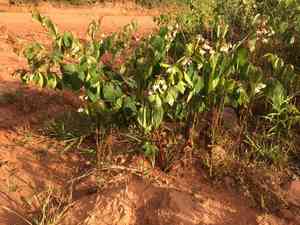
Spreading dogbane(Apocynum androsaemifolium)

Spreading dogbane (Apocynum androsaemifolium)

Also known as: Bitterroot

Milkweed (*Asclepias* species) is a common plant in North America, found throughout the continent. Known for its clusters of fragrant flowers, milkweed is a vital nectar source for monarch butterflies. However, it is toxic to pets, livestock, and humans. This plant tends to grow in patches and spreads via its root system.

Attributes of Spreading dogbane

Lifespan
Perennial
Plant Type
Herb
Plant Height
15 cm to 41 cm
Spread
90 cm to 1.2 m
Leaf Color
Green
Flower Size
2.5 cm
Flower Color
White Pink

PlantJoy - Identify plants with a snap

Identify and diagnose plants, get toxicity alerts, and explore safety guides for all types of fungi.

Try for Free

Images of Spreading dogbane

Spreading dogbane(Apocynum androsaemifolium)

Quickly Identify Spreading dogbane

1
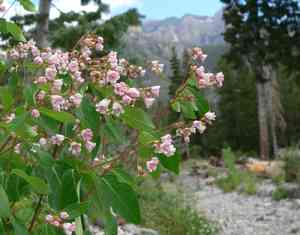
Small, fragrant pink bell-shaped flowers with deeper pink stripes inside, in thriving clusters.
2
Robust network of underground rhizomes enabling rapid spread, a characteristic often too aggressive for gardens.
3
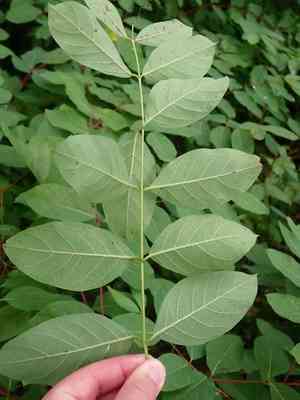
Simple, oval leaves with entire margins, reaching 1 1/2 to 4 inches (4 to 10 cm) in length.
4
Light green to red stem with milky sap, slender and smooth, branching occasionally.
5
Slender, cylindrical follicles, 3-6 inches (7.6-15.2 cm) long, splitting open to release tufted seeds.

Scientific Classification of Spreading dogbane

Phylum
Vascular plants
Class
Dicotyledons
Order
Gentianales
Family
Dogbane
Genus
Indian hemp
Species
Spreading dogbane

Planting and Growing of Spreading dogbane

Care Difficulty
Easy
Watering Schedule
Every 2 days
Sunlight Requirements
Full sun
Sunshine Duration
4-6 hours
Ideal Temperature
65-75℉
Soil Type
Potting Mix, Peat Mix
Soil pH
6.5-7.5
Fertilizer Type
Balanced
Pruning Season
Spring, Summer
Pruning Area
Branches, Leaves
Pruning Frequency
2 times a year
Repotting Season
Spring
Pot Type
Plastic, Ceramic

water icon How to Water Spreading dogbane?

Apocynum androsaemifolium requires consistent moisture but not saturation. Water each time with about 250 ml to ensure the soil is moist but not soggy. Adequate drainage is key to prevent root rot.
What are the symptoms of an underwatered Spreading dogbane?
What should I do if my Spreading dogbane is not getting enough water?
What are the symptoms of an overwatered Spreading dogbane?
How to save an overwatered Spreading dogbane?

sunlight icon What Are the Sunlight Requirements for Spreading dogbane?

Sunlight Requirements: Full sun, Partial sun
Duration of light: 6 to 8 hours
Apocynum androsaemifolium flourishes with full to partial sun exposure. This ensures robust growth and regular flowering while maintaining strong and healthy foliage.
What lighting intensity does Apocynum androsaemifolium prefer?
How to ensure optimal lighting conditions?
Benefits of ideal lighting for Apocynum androsaemifolium?

temperature icon What Is the Ideal Temperature Range for Spreading dogbane?

Ideal Temperature: 65 ~ 75℉
For ideal growth, Apocynum androsaemifolium thrives in temperatures ranging from 65°F to 75°F. This temperature range ensures the plant can efficiently perform photosynthesis, leading to optimal metabolism and growth. Maintaining these conditions helps the plant to develop strong stems and vibrant leaves, contributing to its overall health and aesthetics.

soil icon What Soil is Best for Spreading dogbane?

Soil type: Sandy soil, Loam, Sandy loam
Soil PH: 6.5 ~ 7.5
Apocynum androsaemifolium thrives best in well-drained soil, preventing root rot and ensuring optimal nutrient uptake. Proper drainage facilitates healthy growth and robust flowering. While it prefers drier conditions, moderate soil moisture helps maintain the plant's vitality by preventing dehydration without causing waterlogging, which can be detrimental. A nutrient-rich substrate supports vigorous growth and promotes lush foliage and abundant blooms. Supplementing with compost or organic matter enriches the soil.

fertilize icon How to Fertilize Spreading dogbane?

Fertilizer type: Balanced
For Apocynum androsaemifolium, the recommended fertilizer amount should be modest. Use a half-strength liquid fertilizer monthly during the growing season. For solid fertilizers, apply a slow-release type sparingly in early spring and late summer, adhering to package instructions for small shrubs.

prune icon How to Prune Spreading dogbane?

Pruning Time: Spring, Summer
Start by identifying and removing any dead, damaged, or diseased branches. Cut these back to the base or to healthy wood. This ensures the plant's energy is focused on thriving parts rather than struggling with sickly growth. After removing unwanted growth, focus on shaping the plant. Trim back overgrown or wayward stems to maintain a neat and desired shape. This not only keeps the plant looking tidy but also encourages denser growth. If the plant appears congested, thin out some of the stems to improve air circulation. This reduces the risk of mold growth and pests and allows light to reach the inner parts of the plant, promoting better overall health.

propagate icon How to Propagate Spreading dogbane plant?

Propagate Time: Spring,Early summer
1
Start by collecting seeds from mature Apocynum androsaemifolium plants. Clean the seeds thoroughly to remove any debris or plant matter. Soak them in water overnight to enhance germination.
2
Select a healthy stem from an existing plant and use sharp pruning shears to make a cutting about 4-6 inches in length. Remove any leaves from the lower half to reduce moisture loss.
3
For division propagation, dig up an established plant carefully. Use a sharp knife to divide the root clump into smaller sections, ensuring each has roots and shoots attached.
More About Propagating Techniques

repot icon How to Repot Spreading dogbane plant?

Repotting frequency: Every 2-3 years
1
Apocynum androsaemifolium shows it’s time to repot when you notice the roots are circling the pot or bursting through the drainage holes. Additionally, if your plant isn’t thriving despite optimal care, it might be craving more room.
2
Select a pot only one size larger than the current one. This provides room to grow without overwhelming the plant’s roots with too much soil, which retains moisture and could lead to rot. Ensure the pot has adequate drainage holes to prevent waterlogged roots.
3
A well-draining sandy soil is ideal for Apocynum androsaemifolium, as it mimics its natural habitat. This type of soil prevents compacting around the roots, allowing for better oxygen circulation, a key element for healthy root growth.

PlantJoy - Identify plants with a snap

Find the best spots for them to optimize their health, simply using your phone.

Try for Free

Toxicity of Spreading dogbane

Is Spreading dogbane toxic to humans?

The risk of poisoning from spreading dogbane primarily arises from accidental consumption of the plant or from exposure to its sap. All parts of the spreading dogbane, including its flowers, fruits, leaves, seeds, and sap, pose a toxic threat to humans when ingested, while the sap may also induce skin irritation. Severe symptoms resulting from the ingestion of spreading dogbane can manifest as cardiac arrest, vomiting, diarrhea, and general weakness. Additionally, contact with the milky sap can provoke blisters and skin inflammation. This plant is typically found in mountainous regions, woodlands, or prairie areas.

Is Spreading dogbane toxic to cat?

The spreading dogbane is extremely poisonous to cats if ingested. Every single part of this plant contains cardiac glycoside toxins that disrupt heart function. Toxicity extends to the water from the vase that holds these plants. Initial symptoms may manifest as vomiting, diarrhea, and can also include tremors and excessive drooling. If you believe your cat has ingested any portion of this plant or the associated vase water, treat it as a medical emergency and seek veterinary assistance without delay.

Is Spreading dogbane toxic to dog?

Spreading dogbanes, as suggested by their common name, possess moderate toxicity for dogs. Every part of this plant harbors various toxins that can negatively impact a dog's cardiovascular system and heart health. Ingesting spreading dogbane can lead to symptoms such as vomiting and diarrhea, as well as weakness, irregular heartbeat, and diminished blood flow to the limbs. A visit to the veterinarian might be required to manage and stabilize these symptoms. Fortunately, due to their fibrous texture and intensely bitter taste, dogs seldom consume them in significant amounts.

Identify toxic plants for your safety

Learn which plants are harmful to you and your pets, and make informed choices for a safer home!

Try for Free
WARNING
The judgment on toxicity and danger is for reference only. We DO NOT GUARANTEE any accuracy of such judgment. Therefore, you SHALL NOT rely on such judgment. It is IMPORTANT TO SEEK PROFESSIONAL ADVICE in advance when necessary.
More About Toxic Techniques