
Spreading dogbane (Apocynum androsaemifolium)
Also known as: Bitterroot
Milkweed (*Asclepias* species) is a common plant in North America, found throughout the continent. Known for its clusters of fragrant flowers, milkweed is a vital nectar source for monarch butterflies. However, it is toxic to pets, livestock, and humans. This plant tends to grow in patches and spreads via its root system.
Attributes of Spreading dogbane
Images of Spreading dogbane

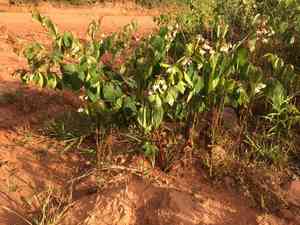

Quickly Identify Spreading dogbane
Scientific Classification of Spreading dogbane
Planting and Growing of Spreading dogbane
 How to Water Spreading dogbane?
 What Are the Sunlight Requirements for Spreading dogbane?
 What Is the Ideal Temperature Range for Spreading dogbane?
 What Soil is Best for Spreading dogbane?
 How to Fertilize Spreading dogbane?
 How to Prune Spreading dogbane?
 How to Propagate Spreading dogbane plant?
 How to Repot Spreading dogbane plant?
Toxicity of Spreading dogbane
Is Spreading dogbane toxic to humans?
The risk of poisoning from spreading dogbane primarily arises from accidental consumption of the plant or from exposure to its sap. All parts of the spreading dogbane, including its flowers, fruits, leaves, seeds, and sap, pose a toxic threat to humans when ingested, while the sap may also induce skin irritation. Severe symptoms resulting from the ingestion of spreading dogbane can manifest as cardiac arrest, vomiting, diarrhea, and general weakness. Additionally, contact with the milky sap can provoke blisters and skin inflammation. This plant is typically found in mountainous regions, woodlands, or prairie areas.
Is Spreading dogbane toxic to cat?
The spreading dogbane is extremely poisonous to cats if ingested. Every single part of this plant contains cardiac glycoside toxins that disrupt heart function. Toxicity extends to the water from the vase that holds these plants. Initial symptoms may manifest as vomiting, diarrhea, and can also include tremors and excessive drooling. If you believe your cat has ingested any portion of this plant or the associated vase water, treat it as a medical emergency and seek veterinary assistance without delay.
Is Spreading dogbane toxic to dog?
Spreading dogbanes, as suggested by their common name, possess moderate toxicity for dogs. Every part of this plant harbors various toxins that can negatively impact a dog's cardiovascular system and heart health. Ingesting spreading dogbane can lead to symptoms such as vomiting and diarrhea, as well as weakness, irregular heartbeat, and diminished blood flow to the limbs. A visit to the veterinarian might be required to manage and stabilize these symptoms. Fortunately, due to their fibrous texture and intensely bitter taste, dogs seldom consume them in significant amounts.



