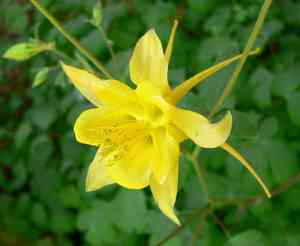
Golden columbine(Aquilegia chrysantha)

Golden columbine (Aquilegia chrysantha)

Also known as: Southwestern yellow columbine

Golden columbine (Aquilegia chrysantha) is a robust perennial that adds a splash of yellow to your shade garden. It’s easy to grow and self-seeds readily. For optimal growth, maintain moist, well-drained soil without letting it get waterlogged. Removing spent blooms can encourage more flowering.

Attributes of Golden columbine

Lifespan
Perennial
Plant Type
Herb
Plant Height
30 cm to 1.2 m
Spread
30 cm to 45 cm
Leaf Color
Green
Flower Size
7 cm
Flower Color
Yellow White

PlantJoy - Identify plants with a snap

Identify and diagnose plants, get toxicity alerts, and explore safety guides for all types of fungi.

Try for Free

Images of Golden columbine

Golden columbine(Aquilegia chrysantha)

Quickly Identify Golden columbine

1
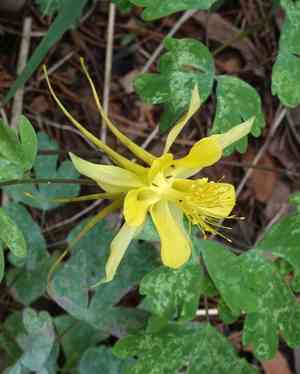
Vibrant yellow blossoms with irregularly shaped petals and backward-pointing spurs.
2
Fruit is a dark grey follicle that splits open to release seeds.
3
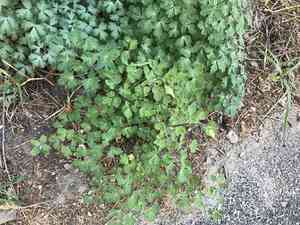
Semi-evergreen leaves with three lobed leaflets and intricate veining pattern.
4
Flowers up to 3 inches long, predominantly yellow, with numerous yellow stamens.
5
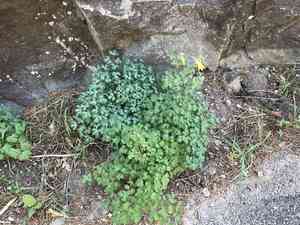
Impressive stature, reaching 2-3 feet in height, with flowers ascending to 4 feet.

Scientific Classification of Golden columbine

Phylum
Vascular plants
Class
Dicotyledons
Order
Ranunculales
Family
Buttercup
Genus
Columbine
Species
Golden columbine

Planting and Growing of Golden columbine

Care Difficulty
Easy
Watering Schedule
Every 4 days
Sunlight Requirements
Partial sun
Sunshine Duration
6-10 hours
Ideal Temperature
60-75℉
Soil Type
Potting Mix, Peat Mix
Soil pH
6.5-7.5
Fertilizer Type
Balanced
Pruning Season
Spring, Summer
Pruning Area
Branches, Leaves
Pruning Frequency
2 times a year
Repotting Season
Spring
Pot Type
Plastic, Ceramic

water icon How to Water Golden columbine?

For Aquilegia chrysantha, it is crucial to ensure the soil remains moderately moist, without becoming waterlogged. Water should be applied slowly until it begins to seep from the drainage holes, typically around 300 milliliters. The aim is to ensure the soil is moist but not saturated, allowing the roots to breathe.
What are the symptoms of an underwatered Golden columbine?
What should I do if my Golden columbine is not getting enough water?
What are the symptoms of an overwatered Golden columbine?
How to save an overwatered Golden columbine?

sunlight icon What Are the Sunlight Requirements for Golden columbine?

Sunlight Requirements: Partial sun, Full sun
Duration of light: 6 to 8 hours
Aquilegia chrysantha thrives best under partial to full sun conditions. Access to 6 to 8 hours of sunlight daily promotes healthy growth and stunning blooms, enhancing its ornamental appeal. Proper light fulfills the plant's energy needs, ensuring an exuberant growing season.
What is the best time for sunlight exposure?
Where should Aquilegia chrysantha be placed for optimal sunlight?
What benefits does Aquilegia chrysantha gain from ideal lighting?
More About Sunlight Requirements Techniques

temperature icon What Is the Ideal Temperature Range for Golden columbine?

Ideal Temperature: 60 ~ 75℉
The ideal temperature range for growing Aquilegia chrysantha is between 60°F and 75°F. This range provides the optimal conditions for photosynthesis, respiration, and other biological processes essential for the plant's healthy growth. It ensures that the plant can thrive during its active growing season.

soil icon What Soil is Best for Golden columbine?

Soil type: Loam, Sandy loam, Sandy soil
Soil PH: 6.5 ~ 7.5
Aquilegia chrysantha thrives in well-draining soil that prevents root rot and waterlogging. The loamy or sandy loam soil ensures adequate aeration, allowing roots to access necessary oxygen while retaining enough moisture for growth. Rich in organic matter, the soil supports robust growth and flowering. Compost or organic mulch improves water retention and nutrient availability, fostering healthier plants and more vibrant blooms. Preferring a soil pH between 6.5 and 7.5, these plants flourish as nutrient uptake is optimized at this range. It avoids the extremes of acidic or alkaline soils, which can hinder plant health and growth.

fertilize icon How to Fertilize Golden columbine?

Fertilizer type: Balanced
For Aquilegia chrysantha, a balanced fertilizer is recommended at half the manufacturer's suggested rate. This means using a 10-10-10 liquid fertilizer by mixing 1 teaspoon (approximately 5 ml) with 1 gallon (approximately 3.8 liters) of water per application will suffice.

prune icon How to Prune Golden columbine?

Pruning Time: Spring, Summer, Autumn
To begin, always use clean and sharp pruning shears to avoid spreading disease. Start by trimming off any dead or discolored leaves at the base of each stem. This not only improves the plant's appearance but also promotes healthy new growth. Remember to prune spent flowers throughout the blooming season; this encourages the plant to produce more blossoms. Following the flowering season, lightly prune to shape the plant. This involves cutting back any overgrown or wayward stems to maintain the desired form. It's best to make your cuts just above a healthy leaf node, which encourages branching and fuller growth in the upcoming seasons. More About Pruning Techniques

propagate icon How to Propagate Golden columbine plant?

Propagate Time: Spring, Early spring, Late spring
1
Collect fresh seeds from mature Aquilegia chrysantha blooms. Clean them thoroughly to remove any plant debris. This ensures the seeds are healthy and free from any potential diseases.
2
Fill the seed tray with a mixture of potting soil and sand. Place the seeds evenly on the soil surface and cover them lightly with a thin layer of soil. Water gently to avoid displacing the seeds.
3
Carefully dig up mature plants that have grown too crowded. Use a sterile knife to cut through the roots, ensuring each new section has enough roots and shoots to sustain itself after replanting.
More About Propagating Techniques

repot icon How to Repot Golden columbine plant?

Repotting frequency: Every 2-3 years
1
Aquilegia chrysantha should be repotted when its roots have filled the current container or are coming out of the drainage holes. Spring is the best time, as it aligns with the plant's active growth period, ensuring minimal stress and rapid acclimatization to the new pot.
2
Select a pot that is one size larger than the current container, with good drainage holes to prevent waterlogging. The right pot size aids in root development, reduces the risk of overwatering, and provides space for the plant to thrive without excessive void space that could retain too much moisture.
3
Opt for a well-draining, loamy soil that retains some moisture but doesn't become waterlogged. The chosen soil mix should have a balance of sand, silt, and clay to provide nutrients while ensuring enough aeration, which helps the roots to grow efficiently and minimizes root rot.

PlantJoy - Identify plants with a snap

Find the best spots for them to optimize their health, simply using your phone.

Try for Free

Toxicity of Golden columbine

Is Golden columbine toxic to humans?

Golden columbine is a toxic plant that contains cardiogenic toxins within its stem, leaves, and flowers. Consuming even small quantities of this plant may lead to symptoms such as nausea, vomiting, and diarrhea. Generally, these effects are mild and tend to resolve quickly. However, ingesting larger amounts can lead to more severe reactions, including breathing difficulties, a reduced heart rate, and seizures. It is important to note that the plant poses a toxicity risk only when it is fresh. Precautions should be taken to ensure that young children are kept away from this plant to prevent ingestion.

Is Golden columbine toxic to cat?

Golden columbine exhibits a mild level of toxicity to felines. Cats are likely to experience exposure when they unintentionally consume the plant, particularly its seeds and roots, which pose the greatest danger. If these plant parts are ingested, affected cats may demonstrate signs of physical discomfort or malaise. The toxicity is primarily due to the presence of cyanophoric glycoside found in golden columbine. It is vital for pet owners to recognize these potential hazards and keep a close eye on their cats. In the event that a cat eats golden columbine, immediate veterinary assistance is essential, as it can effectively address and mitigate any health complications that may ensue.

Is Golden columbine toxic to dog?

The plant species known as golden columbine is recognized to possess a mild affinity of toxicity for dogs. If dogs mistakenly ingest this plant, it can lead to poisoning, raising concerns for their owners. The seeds and roots are the parts of the plant that carry toxic properties. Should a dog ingest these parts, it may display symptoms typical of poisoning. Therefore, it is crucial for dog owners to remain vigilant about these symptoms and promptly seek professional veterinary assistance to safeguard their pet's health and well-being.

Identify toxic plants for your safety

Learn which plants are harmful to you and your pets, and make informed choices for a safer home!

Try for Free
WARNING
The judgment on toxicity and danger is for reference only. We DO NOT GUARANTEE any accuracy of such judgment. Therefore, you SHALL NOT rely on such judgment. It is IMPORTANT TO SEEK PROFESSIONAL ADVICE in advance when necessary.
More About Toxic Techniques