Peanut (Arachis hypogaea)
Also known as: Goober, Pindar
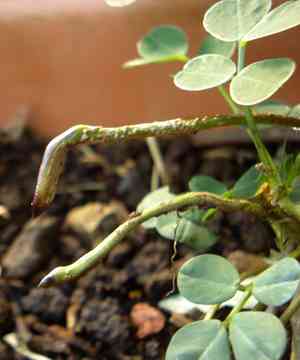
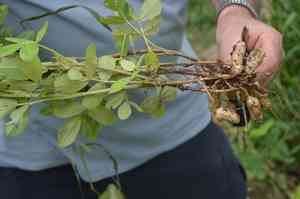
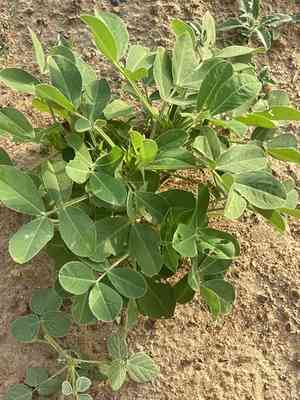
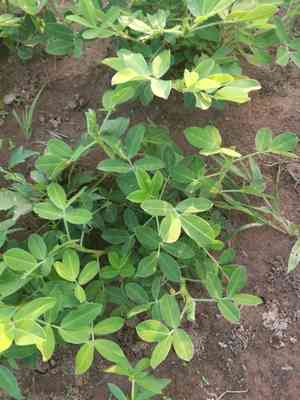
The peanut (Arachis hypogaea) is an annual legume that typically reaches heights of 46 to 61 cm. This plant features golden yellow blossoms in the spring, which, after pollination, lead to the development of seeds beneath the soil. Peanuts are primarily cultivated for their nutritious seeds, which are used in various foods and for producing peanut oil.
Attributes of Peanut
Images of Peanut
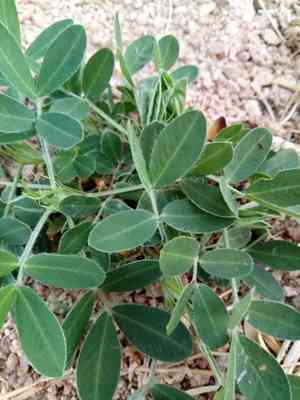
Quickly Identify Peanut
Scientific Classification of Peanut
Planting and Growing of Peanut
 How to Water Peanut?
 What Are the Sunlight Requirements for Peanut?
 What Is the Ideal Temperature Range for Peanut?
 What Soil is Best for Peanut?
 How to Fertilize Peanut?
 How to Prune Peanut?
 How to Propagate Peanut plant?
 How to Repot Peanut plant?
Toxicity of Peanut
Is Peanut toxic to humans?
Peanut plants are a widely cultivated food crop across the globe, yet for certain individuals, their nuts pose serious threats and may even be fatal. Peanut allergy ranks among the more prevalent and severe allergies, with the potential for life-threatening consequences. This condition is increasingly common, particularly among children who are the most affected. The allergy is triggered by specific proteins found in the seeds, hulls, and oils of peanuts. Symptoms can manifest as skin rashes upon contact, nausea, gastrointestinal distress, chills, and vomiting if ingested, as well as asthma-like symptoms if peanut dust is inhaled. Even minimal traces of peanuts, such as from cross-contamination, can provoke a reaction. In extreme instances, anaphylactic shock, which is life-threatening, may occur. If anyone in your household is allergic to peanuts, it is advisable not to cultivate them in your garden.



