
Devil's walking stick (Aralia spinosa)
Also known as: Prickly ash, Hercules's club, Shot bush, Virginian angelica
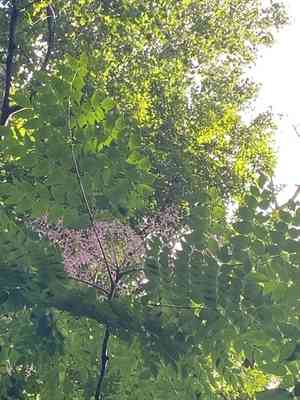
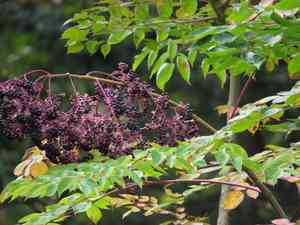
Aralia spinosa, a deciduous shrub or small tree reaching heights of 1.8 to 8 meters, is aptly named "devil's walking stick" due to its menacing, thorn-covered stems and branches. These sharp spines serve as a natural deterrent. Additionally, the plant features small, creamy-white flowers.
Attributes of Devil's walking stick
Images of Devil's walking stick
Quickly Identify Devil's walking stick
Scientific Classification of Devil's walking stick
Planting and Growing of Devil's walking stick
 How to Water Devil's walking stick?
 What Are the Sunlight Requirements for Devil's walking stick?
 What Is the Ideal Temperature Range for Devil's walking stick?
 What Soil is Best for Devil's walking stick?
 How to Fertilize Devil's walking stick?
 How to Prune Devil's walking stick?
 How to Propagate Devil's walking stick plant?
 How to Repot Devil's walking stick plant?
Toxicity of Devil's walking stick
Is Devil's walking stick toxic to humans?
The devil's walking stick possesses a distinct toxin, which is nearly exclusive to the *Aralia* genus. Araliin is a transient yet unpleasant compound that induces short-lived contact rashes in humans, including irritation within the mouth and throat if ingested. It can be found in the bark and roots, with the highest concentration located in the berries. Although these berries may appear enticing and are enjoyed by various creatures that are unaffected by araliin, they pose a risk to children and others if consumed. Ingesting the berries will result in irritation of the entire gastric system, leading to symptoms such as drooling, nausea, vomiting, and diarrhea. It is crucial to keep this plant out of reach of children and individuals with cognitive impairments.
Is Devil's walking stick toxic to cat?
The devil's walking stick poses a mild toxicity risk to cats if consumed. The harmful components of the plant encompass the unripe berries, bark, and roots, while the ripe berries are deemed non-toxic. Signs of poisoning may manifest as excessive drooling, vomiting, and diarrhea.
Is Devil's walking stick toxic to dog?
The toxicity of Devil's walking stick can range from mild to severe, depending on the quantity your dog consumes. Therefore, if you suspect they have ingested any part of this plant, it is crucial to seek veterinary assistance immediately. Every section of the plant is hazardous; however, the roots and berries contain the highest levels of toxins. Consumption can result in a burning feeling in the mouth, accompanied by vomiting, diarrhea, and excessive salivation. In severe instances, the symptoms may escalate to coma or even fatality.



