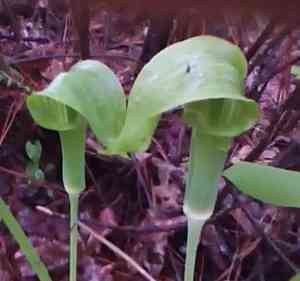
Jack-in-the-pulpit(Arisaema triphyllum)

Jack-in-the-pulpit (Arisaema triphyllum)

Also known as: Bog onion, American wake robin

The Jack-in-the-pulpit (Arisaema triphyllum) is a distinctive plant native to Eastern North America, typically found in moist woodlands and thickets. This plant can switch its gender, often influenced by environmental factors and the presence of pollinators like flies and gnats. The plant contains oxalic acid, making it toxic if ingested.

Attributes of Jack-in-the-pulpit

Lifespan
Perennial
Plant Type
Herb
Plant Height
30 cm to 60 cm
Spread
30 cm to 45 cm
Leaf Color
Green
Flower Size
8 cm
Flower Color
Green Purple Brown White

PlantJoy - Identify plants with a snap

Identify and diagnose plants, get toxicity alerts, and explore safety guides for all types of fungi.

Try for Free

Images of Jack-in-the-pulpit

Jack-in-the-pulpit(Arisaema triphyllum)

Quickly Identify Jack-in-the-pulpit

1
Distinctive flower structure with spadix enclosed by hooded spathe.
2
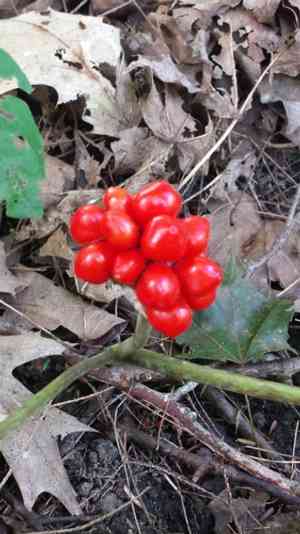
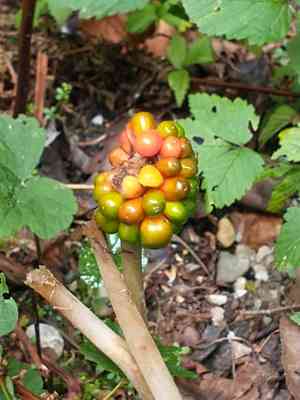
Bright red, berry-like fruits in dense clusters from June to October.
3
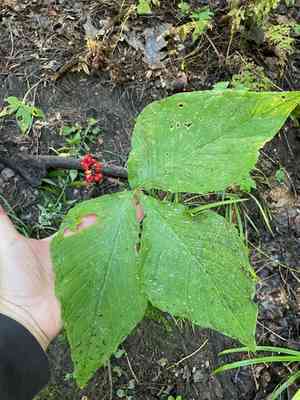
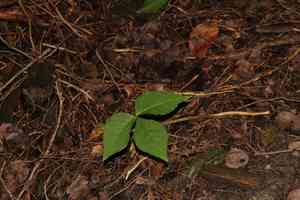
Compound leaves with three large, umbrella-like leaflets, reaching 1-1.5 feet (30.5-45.7 cm).

Scientific Classification of Jack-in-the-pulpit

Phylum
Vascular plants
Class
Monocotyledons
Order
Alismatales
Family
Arum
Genus
Jack-in-the-pulpit
Species
Jack-in-the-pulpit

Planting and Growing of Jack-in-the-pulpit

Care Difficulty
Moderate
Watering Schedule
Every 3 days
Sunlight Requirements
Full shade
Sunshine Duration
6-8 hours
Ideal Temperature
60-75℉
Soil Type
Potting Mix, Peat Mix
Soil pH
5.5-6.5
Fertilizer Type
Balanced
Pruning Season
Spring, Summer
Pruning Area
Branches, Leaves
Pruning Frequency
2 times a year
Repotting Season
Spring
Pot Type
Plastic, Terracotta

water icon How to Water Jack-in-the-pulpit?

The amount of water for Arisaema triphyllum should be enough to keep the soil consistently moist but not soggy. Water should be applied until it begins to drain from the bottom of the container, ensuring the entire root system receives hydration, approximately 500 milliliters is optimal for this task.
What are the symptoms of an underwatered Jack-in-the-pulpit?
What should I do if my Jack-in-the-pulpit is not getting enough water?
What are the symptoms of an overwatered Jack-in-the-pulpit?
How to save an overwatered Jack-in-the-pulpit?

temperature icon What Is the Ideal Temperature Range for Jack-in-the-pulpit?

Ideal Temperature: 60 ~ 75℉
For optimal growth, Arisaema triphyllum thrives in a temperature range between 60°F and 75°F. These temperatures replicate the mild conditions found in its native woodland habitat.

soil icon What Soil is Best for Jack-in-the-pulpit?

Soil type: Loam, Acidic soil, Sandy loam
Soil PH: 5.5 ~ 6.5
Arisaema triphyllum thrives in moist, well-draining soils that can hold enough moisture to support its growth without becoming waterlogged. This prevents root rot and ensures the plant can absorb necessary nutrients efficiently. Rich organic matter in the soil provides essential nutrients and improves soil structure, aiding in better water retention and aeration. For Arisaema triphyllum, organic matter helps mimic its natural woodland habitat. A slightly acidic soil pH of 5.5 to 6.5 is ideal for Arisaema triphyllum, favoring nutrient availability and microorganism activity that are beneficial for its growth. This pH range allows it to thrive in its preferred natural settings. More About Soil

fertilize icon How to Fertilize Jack-in-the-pulpit?

Fertilizer type: Balanced
For Arisaema triphyllum, the amount of fertilizer should be minimal. Use liquid fertilizer at half the recommended strength on the label. For slow-release fertilizers, use approximately one tablespoon per 12-inch area. Less is more with this plant, to avoid any potential nutrient burn. More About Fertilizing Techniques

prune icon How to Prune Jack-in-the-pulpit?

Pruning Time: Spring, Summer
Use sharp, clean shears to avoid crushing the plant tissue. Begin with sterilized equipment to minimize the risk of disease transmission. Ensuring your tools are in good condition is crucial for effective and clean cuts. Carefully identify and cut off any dead or yellowing leaves at the base. This not only improves the plant's appearance but also boosts its health by redirecting energy to new growth. Once the flowering period ends, cut back the wilted blooms to encourage more lush foliage. This step helps divert nutritional resources to bolster the plant’s energy reserves for future growth. The best time to prune Arisaema triphyllum is during its dormancy in late winter or early spring before new growth emerges, allowing it to rejuvenate and flourish in the new growing season. More About Pruning Techniques

propagate icon How to Propagate Jack-in-the-pulpit plant?

Propagate Time: Spring, Early spring
1
Collect seeds from mature Arisaema triphyllum plants after flowering. Clean and dry them properly to ensure good germination rates before planting.
2
Carefully dig around the plant base and gently separate the tubers. Make sure each segment has roots and a bud for successful regrowth.
3
Sow seeds in seed trays filled with well-draining soil. Place them in a bright location with indirect sunlight to encourage germination.
More About Propagating Techniques

repot icon How to Repot Jack-in-the-pulpit plant?

Repotting frequency: Every 2-3 years
1
Monitor the growth of Arisaema triphyllum to determine when repotting is due. Signs of repotting necessity include roots crowding out of drainage holes and noticeable slowdown in growth. The ideal time to repot is early in the spring or during autumn, when the plant is less active and can recover from the shock more efficiently.
2
Choose a pot that is one size larger than current. Ensure it has adequate drainage holes to prevent root rot, encouraging healthy growth. A terracotta pot is preferable, as it allows better breathability to the root system than plastic alternatives, aiding in moisture regulation.
3
Select a soil mix rich in organic matter yet well-draining, such as a combination of peat, bark, and perlite. This soil will provide essential nutrients while ensuring excess water drains away, reducing the risk of root decay, enhancing growth of Arisaema triphyllum vibrantly.

PlantJoy - Identify plants with a snap

Find the best spots for them to optimize their health, simply using your phone.

Try for Free

Toxicity of Jack-in-the-pulpit

Is Jack-in-the-pulpit toxic to humans?

Jack-in-the-pulpit is an eye-catching perennial wildflower, but it possesses toxicity because of its calcium oxalate levels.

Is Jack-in-the-pulpit toxic to cat?

Every component of the jack-in-the-pulpit plant (Arisaema triphyllum) is regarded as extremely poisonous to cats. The symptoms may vary from oral pain to possible breathing difficulties. Given the small size of cats, even minimal exposure to this plant can lead to severe health issues, and it is crucial to seek veterinary assistance promptly if ingestion is suspected.

Is Jack-in-the-pulpit toxic to dog?

The Jack-in-the-pulpit plant possesses varying levels of toxicity for dogs, which can range from mild to severe, depending on the amount consumed. Its sap contains calcium oxalate in all parts of the plant, a potent irritant. Ingestion typically results in excessive drooling and may lead to a burning sensation or swelling in the lips, tongue, mouth, and/or throat. These distressing symptoms are often accompanied by challenges in swallowing and a noticeable reduction in appetite. In extreme cases, particularly large amounts consumed can lead to coma or even death; however, this is a rare occurrence since the plant isn't particularly appealing or palatable to dogs.

Identify toxic plants for your safety

Learn which plants are harmful to you and your pets, and make informed choices for a safer home!

Try for Free
WARNING
The judgment on toxicity and danger is for reference only. We DO NOT GUARANTEE any accuracy of such judgment. Therefore, you SHALL NOT rely on such judgment. It is IMPORTANT TO SEEK PROFESSIONAL ADVICE in advance when necessary.
More About Toxic Techniques