
Jack-in-the-pulpit (Arisaema triphyllum)
Also known as: Bog onion, American wake robin
The Jack-in-the-pulpit (Arisaema triphyllum) is a distinctive plant native to Eastern North America, typically found in moist woodlands and thickets. This plant can switch its gender, often influenced by environmental factors and the presence of pollinators like flies and gnats. The plant contains oxalic acid, making it toxic if ingested.
Attributes of Jack-in-the-pulpit
Images of Jack-in-the-pulpit
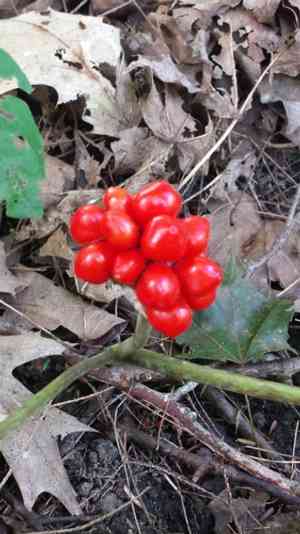
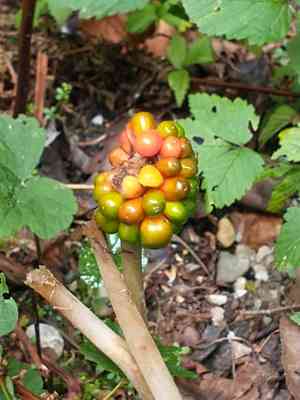
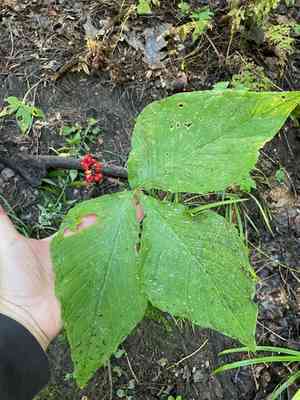
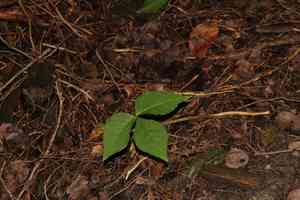
Quickly Identify Jack-in-the-pulpit
Scientific Classification of Jack-in-the-pulpit
Planting and Growing of Jack-in-the-pulpit
 How to Water Jack-in-the-pulpit?
 What Is the Ideal Temperature Range for Jack-in-the-pulpit?
 What Soil is Best for Jack-in-the-pulpit?
 How to Fertilize Jack-in-the-pulpit?
 How to Prune Jack-in-the-pulpit?
 How to Propagate Jack-in-the-pulpit plant?
 How to Repot Jack-in-the-pulpit plant?
Toxicity of Jack-in-the-pulpit
Is Jack-in-the-pulpit toxic to humans?
Jack-in-the-pulpit is an eye-catching perennial wildflower, but it possesses toxicity because of its calcium oxalate levels.
Is Jack-in-the-pulpit toxic to cat?
Every component of the jack-in-the-pulpit plant (Arisaema triphyllum) is regarded as extremely poisonous to cats. The symptoms may vary from oral pain to possible breathing difficulties. Given the small size of cats, even minimal exposure to this plant can lead to severe health issues, and it is crucial to seek veterinary assistance promptly if ingestion is suspected.
Is Jack-in-the-pulpit toxic to dog?
The Jack-in-the-pulpit plant possesses varying levels of toxicity for dogs, which can range from mild to severe, depending on the amount consumed. Its sap contains calcium oxalate in all parts of the plant, a potent irritant. Ingestion typically results in excessive drooling and may lead to a burning sensation or swelling in the lips, tongue, mouth, and/or throat. These distressing symptoms are often accompanied by challenges in swallowing and a noticeable reduction in appetite. In extreme cases, particularly large amounts consumed can lead to coma or even death; however, this is a rare occurrence since the plant isn't particularly appealing or palatable to dogs.



