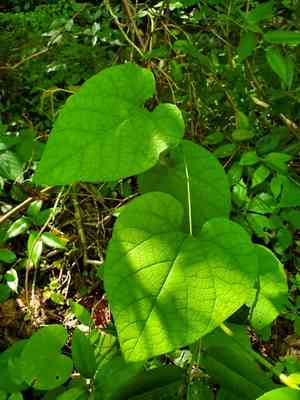
Dutchman's pipe (Aristolochia macrophylla)
Also known as: Big sarsaparilla, Pipe vine, Broadleafed birthwort
Dutchman's Pipe (Aristolochia macrophylla) is a vigorous, deciduous vine perfect for climbing trellises or walls. Its lush, heart-shaped leaves create excellent privacy or shade. The vine features distinctive pipe-shaped flowers, which attract swallowtail butterflies.
Attributes of Dutchman's pipe
Images of Dutchman's pipe
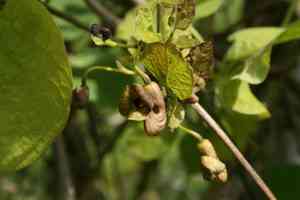
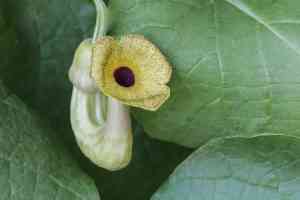
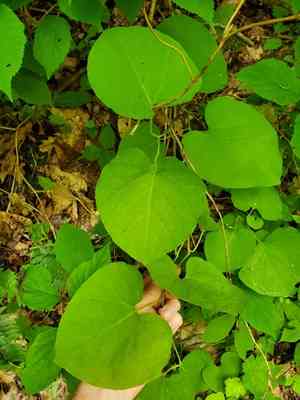
Quickly Identify Dutchman's pipe
Scientific Classification of Dutchman's pipe
Planting and Growing of Dutchman's pipe
 How to Water Dutchman's pipe?
 What Are the Sunlight Requirements for Dutchman's pipe?
 What Is the Ideal Temperature Range for Dutchman's pipe?
 What Soil is Best for Dutchman's pipe?
 How to Fertilize Dutchman's pipe?
 How to Prune Dutchman's pipe?
 How to Propagate Dutchman's pipe plant?
 How to Repot Dutchman's pipe plant?
Toxicity of Dutchman's pipe
Is Dutchman's pipe toxic to humans?
The Dutchman's pipe is a highly toxic plant, and its consumption can lead to fatal outcomes. The danger arises from the presence of aristolochic acid, which can be found in every part of the plant. While it is safe to touch the Dutchman's pipe, whether accidentally or intentionally eating any portion of it poses a lethal threat. Ingesting this plant primarily leads to one severe symptom: kidney failure. This failure is irreversible and ultimately deadly. Additionally, exposure to aristolochic acid can increase the risk of developing cancer in the urinary tract and bladder. This vine is often found climbing trees in wooded regions. Despite being safe to touch, it is crucial to avoid ingesting any part of this plant under all circumstances.
Is Dutchman's pipe toxic to cat?
The Dutchman's pipe has been recognized as highly toxic to cats. Poisoning usually happens when cats consume any part of this plant, as its toxic properties are present throughout. After ingestion, cats may exhibit severe signs of physical distress, which can potentially be fatal. It is essential to seek immediate veterinary assistance if a cat consumes Dutchman's pipe, to ensure it receives the appropriate care and treatment.
Is Dutchman's pipe toxic to dog?
The plant species known as dutchman's pipe presents a serious toxicity threat to dogs. Ingesting any portion of the plant can result in considerable health complications. Dogs can suffer poisoning from consuming its leaves, stems, flowers, or seeds since every aspect of dutchman's pipe is toxic. Signs of poisoning in dogs may include vomiting, diarrhea, abdominal discomfort, kidney failure, and possibly even death if not treated without delay. It is essential for dog owners to ensure that their pets cannot access dutchman's pipe and to seek prompt veterinary assistance if they suspect their dog has eaten any part of this plant.



