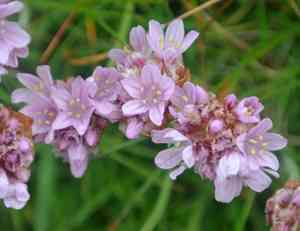
Sea thrift (Armeria maritima)
Also known as: Sea cushion, Lady's cushion, Cliff rose, Sea grass
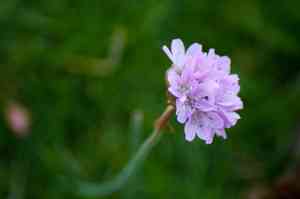
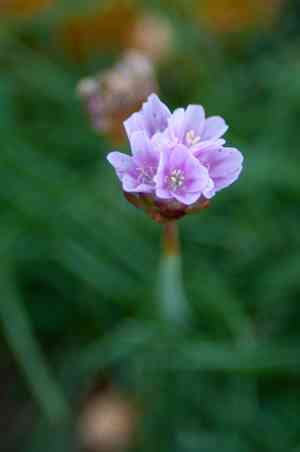
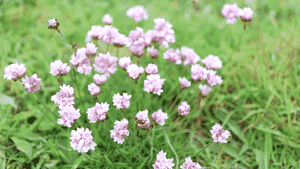
Armeria maritima, commonly known as Sea Thrift or Sea Pink, naturally thrives along the Mediterranean coast. This plant forms dense clumps or mats of slender, grassy green foliage and is well-suited for containers and rock gardens. Remarkably tolerant of high copper content in soil, Sea Thrift remains evergreen year-round and draws butterflies with its spherical flower clusters in the spring.
Attributes of Sea thrift
Images of Sea thrift
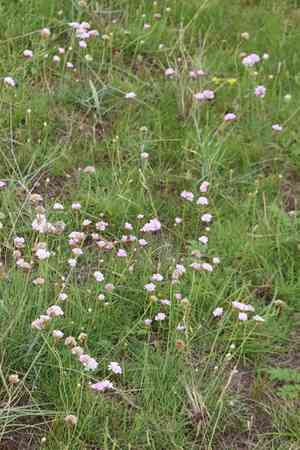
Quickly Identify Sea thrift
Scientific Classification of Sea thrift
Planting and Growing of Sea thrift
 How to Water Sea thrift?
 What Are the Sunlight Requirements for Sea thrift?
 What Is the Ideal Temperature Range for Sea thrift?
 What Soil is Best for Sea thrift?
 How to Fertilize Sea thrift?
 How to Prune Sea thrift?
 How to Propagate Sea thrift plant?
 How to Repot Sea thrift plant?
Toxicity of Sea thrift
Is Sea thrift toxic to humans?
Sea thrift encompasses phytochemicals like Quercetin, which can induce stomach irritation when consumed. While it is not exceedingly hazardous unless consumed in large quantities, doing so can lead to kidney failure solely from Quercetin. Consumption of sea thrift can result in nausea, excessive salivation, vomiting, colicky pain, and diarrhea. Additionally, the sap of the plant possesses potent irritating qualities that may trigger photosensitivity and skin rashes. It is advisable to keep children and individuals with cognitive impairments away from this plant.



