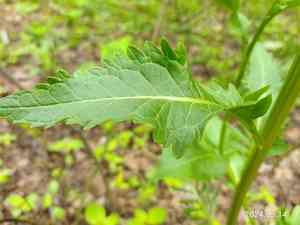
Horseradish (Armoracia rusticana)
Also known as: Red cole, Pepper turnip
Horseradish (Armoracia rusticana) is a perennial plant related to mustard and cabbage. It is known for its large white root, which has a sharp, spicy flavor and aroma. This root is commonly used as a condiment in various dishes.
Attributes of Horseradish
Images of Horseradish
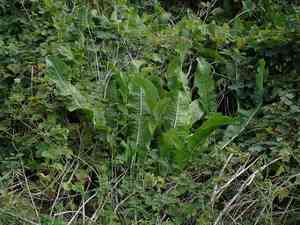
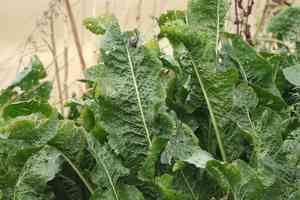
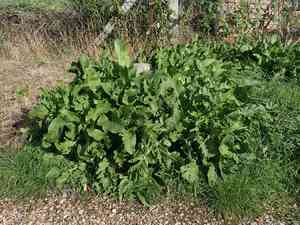
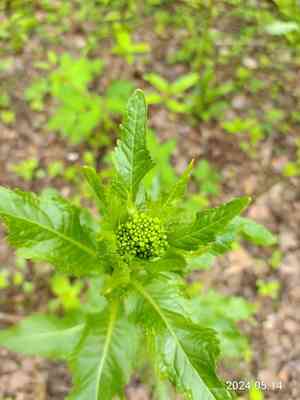
Quickly Identify Horseradish
Scientific Classification of Horseradish
Planting and Growing of Horseradish
 How to Water Horseradish?
 What Are the Sunlight Requirements for Horseradish?
 What Is the Ideal Temperature Range for Horseradish?
 What Soil is Best for Horseradish?
 How to Fertilize Horseradish?
 How to Prune Horseradish?
 How to Propagate Horseradish plant?
 How to Repot Horseradish plant?
Toxicity of Horseradish
Is Horseradish toxic to humans?
Consuming a significant quantity of horseradish can lead to adverse effects in humans. Given that various parts of this plant are commonly incorporated in culinary recipes, individuals may experience these detrimental effects if they consume excessive amounts of horseradish roots, particularly when using them as foraged food. The symptoms typically manifest as moderate due to the glucosinolates found in the subterranean roots. Ingesting a sufficient quantity of these roots may provoke symptoms like sweating, gastrointestinal disturbances, weakness, and sensations of confusion.
Is Horseradish toxic to cat?
Horseradish presents a minor toxicity hazard to felines, especially when they consume considerable quantities of its leaves or roots. Although specific toxic substances are not identified, cat guardians should remain watchful since ingesting it in large quantities could lead to physical distress necessitating veterinary intervention. If there is a suspicion that a cat has ingested horseradish, it is crucial to promptly seek veterinary assistance to safeguard the pet's health and well-being.
Is Horseradish toxic to dog?
Horseradish presents a mild toxicity risk for dogs. While small amounts may not result in serious harm, consuming large quantities can lead to poisoning. Both the leaves and roots of the plant pose a risk to canines. Dogs that have eaten these parts of horseradish might display symptoms such as gastrointestinal distress, excessive drooling, or other indications of discomfort. It is essential for dog owners to keep a watchful eye on their pets and prevent them from ingesting significant amounts of this plant. If a dog ingests horseradish and begins to show any negative reactions, it is crucial to seek immediate attention at a veterinary clinic to ensure their health and safety.



