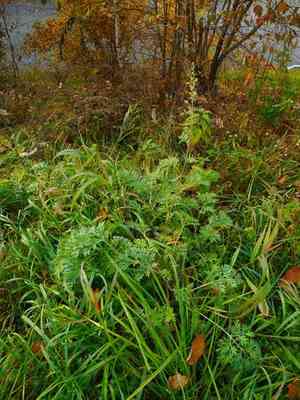
Common wormwood (Artemisia absinthium)
Also known as: Absinthe, Grand wormwood
The key ingredient in absinthe is grand wormwood (Artemisia absinthium). Historically, absinthe has been seen as dangerous because it contains thujone, a compound that was believed to trigger neurological issues like hallucinations, headaches, and convulsions. As a result, absinthe was banned in many countries. However, contemporary studies reveal that the thujone content in absinthe is typically too low to cause such effects. Grand wormwood itself is a resilient plant, often found in neglected areas, characterized by its silvery leaves and small yellow flowers during late summer.
Attributes of Common wormwood
Images of Common wormwood
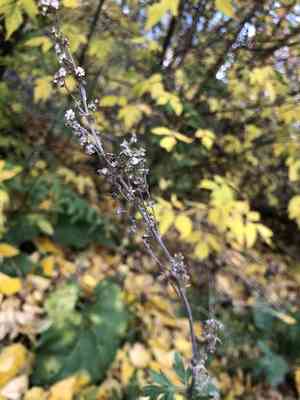
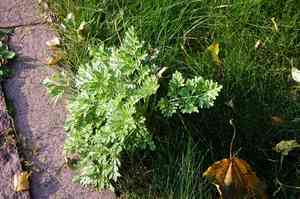
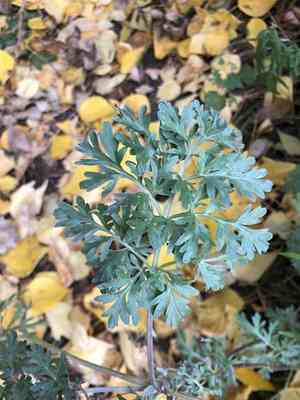
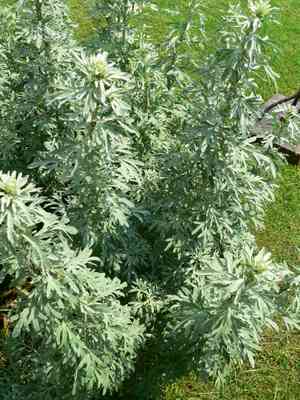
Quickly Identify Common wormwood
Scientific Classification of Common wormwood
Planting and Growing of Common wormwood
 How to Water Common wormwood?
 What Are the Sunlight Requirements for Common wormwood?
 What Is the Ideal Temperature Range for Common wormwood?
 What Soil is Best for Common wormwood?
 How to Fertilize Common wormwood?
 How to Prune Common wormwood?
 How to Propagate Common wormwood plant?
 How to Repot Common wormwood plant?
Toxicity of Common wormwood
Is Common wormwood toxic to humans?
Common wormwood is harmful to humans when ingested in significant amounts, whether in its fresh form or, more frequently, as the alcoholic beverage absinthe. Every part of this plant is poisonous and has the potential to induce serious health complications. Symptoms associated with poisoning include memory loss, delirium, seizures, and neurological damage. Common wormwood can be found flourishing as a weed in disturbed environments or intentionally grown as an ornamental species in gardens. Incidents of poisoning are most likely to happen due to accidental or deliberate consumption, given that this plant is utilized as a component in absinthe.
Is Common wormwood toxic to cat?
Common wormwood is associated with a moderate level of toxicity for cats, particularly the flowers and leaves, which can be harmful if consumed. Ingestion of any part of common wormwood may lead to symptoms that suggest physical discomfort and potential illness in a cat. Although it is known to be toxic to felines, the specific compounds responsible for this toxicity remain unidentified. Cat guardians should remain alert, as even vague symptoms can warrant concern. If there is a suspicion of common wormwood poisoning, it is essential to seek prompt veterinary attention to safeguard the health of the affected cat.
Is Common wormwood toxic to dog?
Common wormwood is recognized as having a moderate level of toxicity to dogs. The primary risk of poisoning arises through ingestion of this plant. The toxic components are mainly found in its leaves and flowers, and when ingested, they can result in negative health consequences. Symptoms of toxicity in dogs may present as gastrointestinal disturbances, neurological complications, or various systemic reactions. It is essential for dog owners to keep this plant out of reach of their pets and to be vigilant for any signs of distress that may suggest poisoning. If a dog has consumed common wormwood, it is vital to seek prompt veterinary assistance to ensure the best possible recovery for the affected animal.



